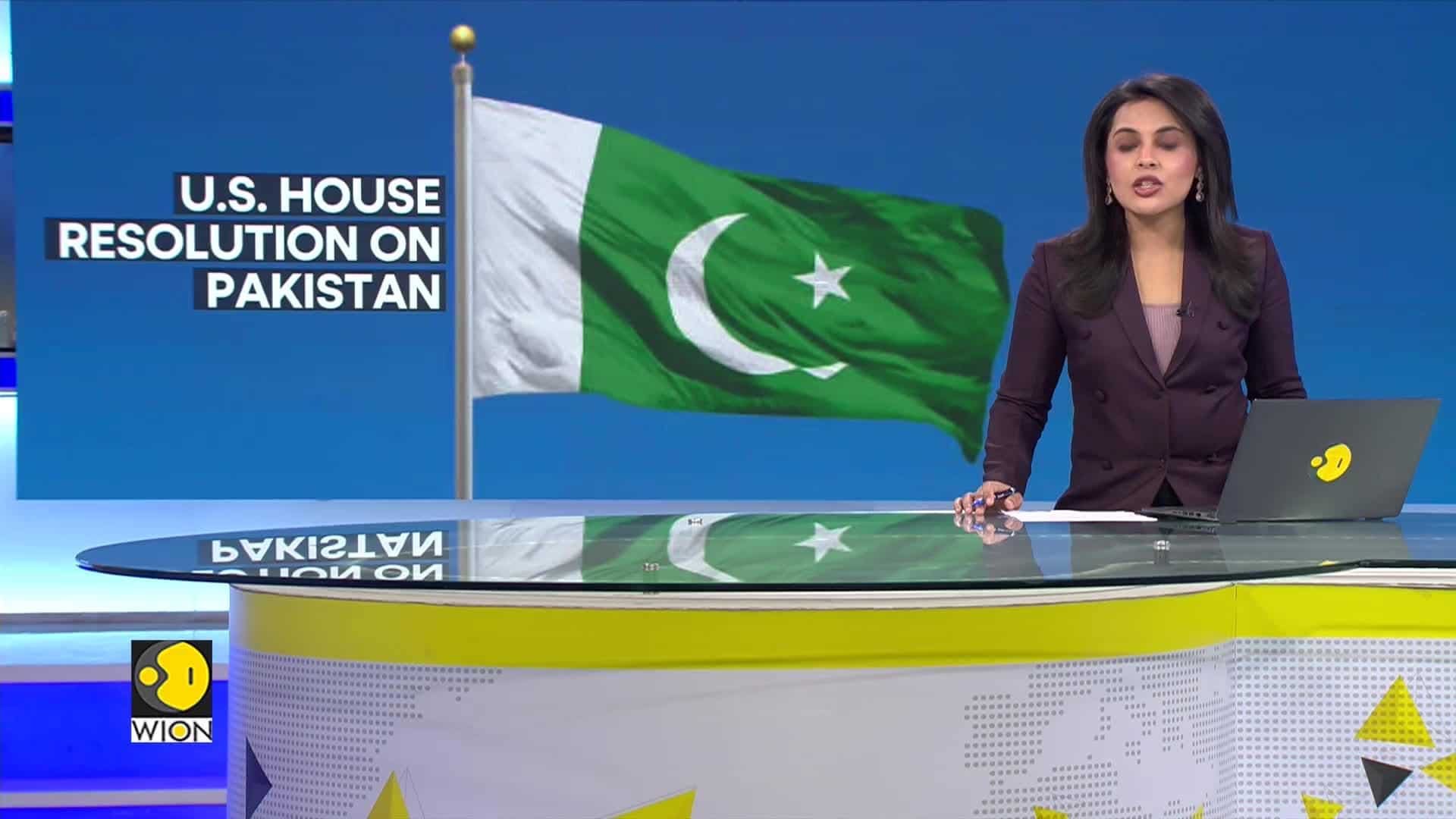
The 1971 atrocities in Bangladesh weren't just a byproduct of war. They were a systematic attempt to wipe out a specific group of people. For decades, the scale of the horror inflicted on Bengali Hindus and the wider population of East Pakistan remained a footnote in Western history books. That's changing. A bipartisan resolution introduced in the US House of Representatives is finally calling these events what they actually were—a genocide.
You might wonder why a 55-year-old conflict is surfacing in Washington D.C. today. It's because historical accountability isn't about the past. It's about the present. When the international community refuses to name a crime, it gives future perpetrators a roadmap for getting away with it. This resolution, led by lawmakers like Steve Chabot and Ro Khanna, explicitly recognizes the role of the Pakistani military in carrying out mass killings, rapes, and forced displacements.
The Scale of the 1971 Horror
We aren't talking about a few skirmishes. We're talking about Operation Searchlight. On March 25, 1971, the Pakistani military launched a pre-planned crackdown to crush the Bengali nationalist movement. The primary targets were intellectuals, students, and the Hindu minority.
Estimates of the death toll vary, but the Bangladeshi government maintains that nearly 3 million people were killed. Even conservative international estimates put the number in the hundreds of thousands. The brutality was visceral. Millions of refugees—roughly 10 million—fled across the border into India to escape the slaughter.
The resolution specifically highlights the targeting of Bengali Hindus. The Pakistani military viewed them as "enemies of the state" or "pro-India" elements. This wasn't a secret. In June 1971, journalist Anthony Mascarenhas published a groundbreaking report in the Sunday Times titled "Genocide," which exposed the systematic nature of the killings. He risked everything to tell the world that the military was "cleansing" East Pakistan.
Why the US Stayed Silent in 1971
To understand why this House resolution is such a big deal, you have to look at the embarrassing history of US foreign policy during that era. In 1971, Richard Nixon and Henry Kissinger were in charge. They didn't just ignore the genocide; they actively supported the perpetrators.
Pakistan was the "bridge" the US used to open diplomatic relations with China. Nixon and Kissinger valued that geopolitical chess move more than the lives of millions of Bengalis. When Archer Blood, the US Consul General in Dhaka, sent a frantic cable—now famously known as the "Blood Telegram"—warning that the US was witnessing a genocide, he was recalled and his career was effectively ended.
The telegram was blunt. It stated, "Our government has evidenced what many will consider moral bankruptcy in the face of the evidence of the repression and even genocide of the Bengali people." By recognizing the genocide now, the US House isn't just pointing a finger at Pakistan. It's also acknowledging a dark chapter of American complicity.
Breaking Down the Resolution
This isn't a vague "we feel bad" statement. The resolution is specific. It calls on the President of the United States to recognize the atrocities committed by the Armed Forces of Pakistan against Bengalis and Hindus in 1971 as crimes against humanity, war crimes, and genocide.
It also pushes for the Pakistani government to acknowledge its role and offer formal apologies to the people of Bangladesh. Don't expect that to happen tomorrow. Pakistan has long maintained a narrative of denial, often framing the events as a civil war provoked by external actors. But international pressure has a way of shifting the needle over decades.
The resolution mentions the targeted killing of professors at Dhaka University. It mentions the systematic use of sexual violence as a weapon of war—an estimated 200,000 to 400,000 women were raped. These aren't just statistics. They represent a deliberate attempt to destroy the social fabric of a nation.
The Global Ripple Effect of Recognition
Genocide recognition isn't just about closure for survivors. It has massive legal and political implications. When the US recognizes a genocide—as it recently did with the Armenian Genocide—it changes the diplomatic framework. It allows for potential reparations discussions. It influences how history is taught.
For the Bangladeshi diaspora in the US and around the world, this is a validation of their lived trauma. For years, they've had to explain their history to a world that largely forgot. Honestly, it's about time the record was set straight.
The resolution also serves as a warning. Look at the current state of South Asian politics. Minorities across the region are still facing various levels of persecution. By codifying the 1971 genocide into the official record, the US House is signaling that these types of state-sponsored campaigns against ethnic or religious groups won't be ignored forever.
What Happens From Here
A House resolution is a powerful symbolic gesture, but it doesn't automatically become law or dictate the White House's foreign policy. However, it creates a "sense of Congress." It pressures the State Department to update its own stance.
If you care about human rights and historical truth, there are things you can do to keep this momentum going.
- Read the Blood Telegram. Understanding the internal dissent within the US government at the time shows that people knew the truth even as it was being suppressed.
- Support Documentarians. Organizations like the Liberation War Museum in Dhaka are constantly working to archive the testimonies of survivors. Their work is the bedrock of these political resolutions.
- Contact your Representative. If you're in the US, let your local office know that you support HR 1430 (or similar legislative efforts). Recognition often dies in committee because people assume the public doesn't care about "old news."
- Educate others on the 1971 Hindu targeting. The religious dimension of the 1971 genocide is often glossed over to simplify the narrative into a purely linguistic or nationalist struggle. Acknowledging the specific persecution of Hindus is vital for a complete historical picture.
History isn't static. It's a constant tug-of-war between those who want to hide the bodies and those who want to count them. This resolution is a win for the counters. It proves that even after five decades, the truth is still worth fighting for. Pakistan's actions in 1971 left a scar on the world's conscience that hasn't healed. Recognition is the first step toward some kind of actual peace.