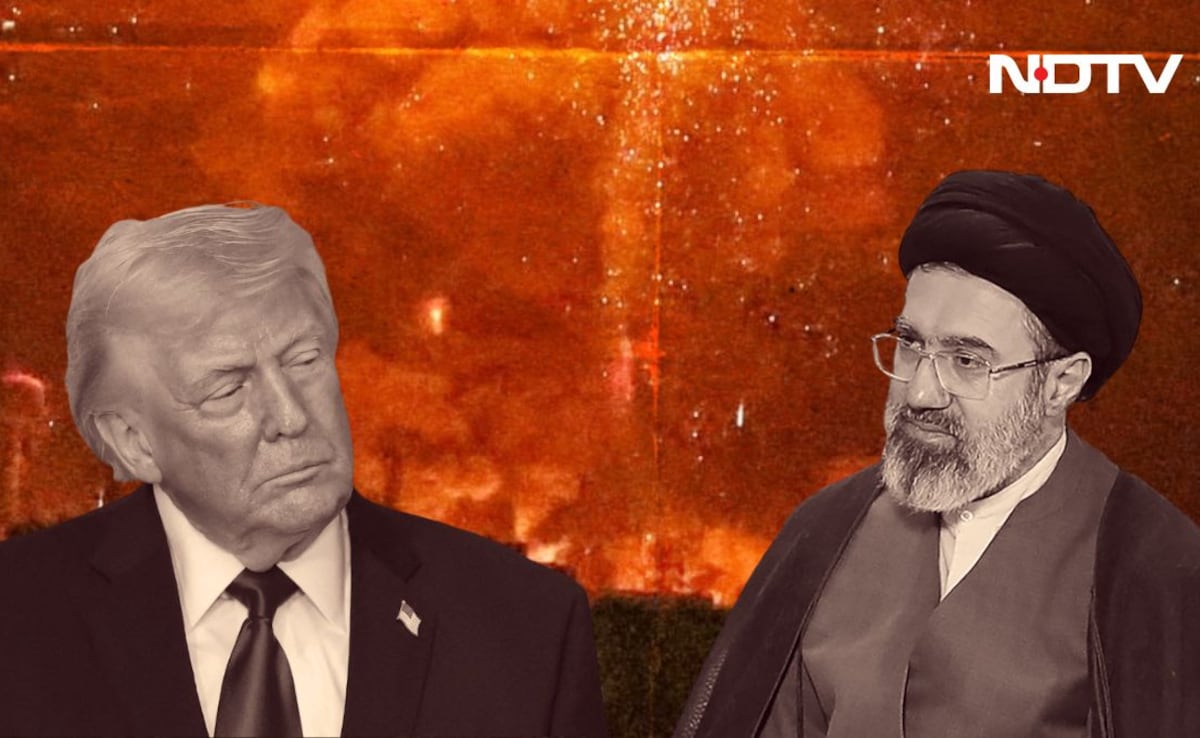
The Middle East isn't just on the brink anymore—it's actively sliding into a conflict that might redefine the next decade. If you've been watching the headlines about the 2026 Iran war, you know the "ceasefire" announced on April 8 felt more like a breather between rounds than a genuine peace deal. While the US claims it’s "ready to go" if the Strait of Hormuz isn't permanently reopened, Tehran is busy moving the goalposts with a series of "surprises" that include new long-range drone capabilities and fresh targets across the Gulf.
The reality on the ground is messier than the diplomatic cables suggest. Trump’s administration has pivoted from "maximum pressure" to "unconditional surrender" rhetoric, while the IRGC (Islamic Revolutionary Guard Corps) has essentially seized the wheel of the Iranian government following the death of Supreme Leader Ali Khamenei in February. We’re not looking at a misunderstanding. We’re looking at two powers that have decided the status quo is no longer an option.
The blockade and the bottleneck
Right now, the biggest flashpoint isn't a land border; it’s a waterway. The US naval blockade of Iranian ports, which kicked off on April 13, has turned the Persian Gulf into a giant game of chicken. CENTCOM has already diverted dozens of vessels, including tankers like the Raine and the Artman.
The logic from Washington is simple: if Iran closes the Strait of Hormuz to the world, the US will close the world to Iran. But this hasn't broken the Iranian resolve. Instead, the Iranian Parliament is drafting laws to formalize their "control" over the Strait, demanding that "hostile" nations—basically anyone aligned with the US—get explicit permission from Tehran to pass. It’s a direct challenge to the "freedom of navigation" principle that the US Navy has spent 80 years defending.
Iran's surprises aren't just talk
When Iranian officials talk about "surprises," they aren't just posturing for state TV. Since the strikes in February, the IRGC has shifted its strategy. They’ve lost significant infrastructure, including the Shahran Oil Refinery, but they've adapted.
- Asymmetric Maritime Warfare: Iran has been caught trying to deploy unmanned aerial vehicles (UAVs) from civilian-looking vessels far from their own shores. There are reports of these "drone ships" being spotted as far out as the Atlantic, suggesting a plan to hit US interests where they feel safest.
- Targeting Desalination: This is the "ugly" side of the new war path. Iran has signaled that if its power plants and oil wells are hit—as Trump has threatened—it will retaliate by hitting the desalination plants that provide drinking water to US allies like Bahrain and the UAE.
- The Russian Connection: US intelligence has been tracking reports that Moscow is feeding Iran real-time data on US troop movements. If Iran can see where the US is moving its "chess pieces" in real-time, those "fresh targets" become a lot more dangerous.
Why the Islamabad talks are failing
You might hear about JD Vance flying to Islamabad for "peace talks," but don't hold your breath. The gap between the two sides isn't a crack; it's a canyon. The US wants a 20-year freeze on all uranium enrichment and the complete removal of Iran’s enriched stockpile.
Iran’s new leadership, spearheaded by figures like Mohammad Bagher Ghalibaf and Mojtaba Khamenei, views this as a demand for national suicide. They’re countering with demands for war reparations and official recognition of their control over the Strait of Hormuz. Honestly, neither side is offering anything the other can actually accept. The IRGC commanders are even accused by their own President, Masoud Pezeshkian, of intentionally sabotaging the ceasefire to keep their grip on power.
What this means for your wallet
This isn't just a military story. It’s an economic one. The closure of the Strait of Hormuz has already sent oil prices into a tailspin, and the "temporary" opening during the April ceasefire didn't fix the underlying anxiety.
- Global Energy Crunch: We’re looking at severe shortages of gas and fertilizer. If the blockade continues, the "just-in-time" global supply chain for energy is going to snap.
- Infrastructure at Risk: The war has moved past military-to-military engagement. Both sides are now openly discussing "economic infrastructure" as valid targets. When you start hitting power plants and fuel depots, you’re not just fighting an army; you’re dismantling a civilization.
The US has moved F-22 Raptors and F-15E Strike Eagles into the region in numbers we haven't seen since 2003. NATO has shifted its entire air surveillance focus from the Russian border to the Persian Gulf. This isn't a "limited operation." It's a full-scale regional realignment happening through fire and steel.
If you're tracking this conflict, keep your eyes on the naval blockade lines. The moment a US destroyer intercepts an Iranian vessel carrying "dual-use" items from China—like the Touska incident—the ceasefire won't just be "fragile." It’ll be gone. Watch the shipping lanes, not the diplomatic podiums, to see where this is actually headed.