In a market saturated with "miracle" sleep aids and high-tech fitness gear, the average consumer is no longer just buying a product; they are purchasing a promise of biological perfection. The recent 2026 wellness circuit, exemplified by high-profile endorsements and industry awards, highlights a massive shift in how we approach our most basic human functions. We are now in an era where a $180 running shoe or a $500 smart ring is marketed not as a luxury, but as a baseline requirement for health. This is the industrialization of the self, a movement that converts every hour of sleep and every step taken into a data point to be analyzed, optimized, and ultimately, sold back to us.
The numbers are staggering. We see products like the Nike Vomero Plus and the Asics Novablast 5 dominating the conversation, priced at points that would have been unthinkable for non-professional gear a decade ago. But the real story isn't the price tag—it's the psychological contract. By framing these items as "wellness essentials," the industry creates a scenario where failing to own them feels like a failure to care for oneself.
The Sleep Economy and the Pursuit of the Perfect Night
Sleep used to be the only part of our lives that remained unmonitored. That ended with the rise of the "sleep-tech" sector. We are seeing a surge in devices meant to silence the world, such as the Ozlo Sleepbuds and Loop Dream Earplugs. The irony is thick: we are spending hundreds of dollars on technology to solve the problems—stress, noise, digital overstimulation—created by our technology-heavy lives.
The Hatch Restore 3 and the Canopy 3-in-1 Sleep Soother are leading a pack of "ambient managers" designed to curate your bedroom environment. While these devices offer genuine relief for some, they also suggest that human beings have lost the natural ability to drift off without a scripted light show and a curated soundscape. We have medicalized the act of resting. If you aren't tracking your REM cycles with an Oura Ring 4 or chilling your face with a TheraICE Cooling Mask, are you even sleeping?
The data suggests otherwise. While these tools provide insights, they can also trigger "orthosomnia"—an obsession with achieving perfect sleep data that, ironically, keeps the user awake. The industry rarely discusses this feedback loop. It prefers to focus on the cooling properties of Bare Necessities pajamas or the sateen finish of a Hommey duvet cover.
Fitness Gear and the Quantified Athlete
The fitness sector has moved beyond simple gym clothes. We are now seeing "performance apparel" that claims to do everything from managing heat to correcting posture. High-intensity training has become a gear race. Brands like On and Brooks are no longer just making shoes; they are engineering "recovery systems" for the feet.
Consider the On CloudPulse Pro. It is marketed as a shoe that stabilizes the foot during heavy lifts while remaining light enough for cardio. This "do-it-all" promise is the holy grail of modern marketing. It targets the "hybrid athlete," a demographic that didn't exist in the mainstream ten years ago. Now, every suburban jogger is led to believe they need the same equipment as an Olympic sprinter.
This extends to recovery, perhaps the fastest-growing sub-sector in the industry. The Theragun Sense and Nike x Hyperice Hyperboots represent a shift in the labor of fitness. We no longer just stretch; we undergo percussive therapy and pneumatic compression. The message is clear: your body is a machine that requires specialized maintenance tools to function.
The Invisible Battle for Oral Health
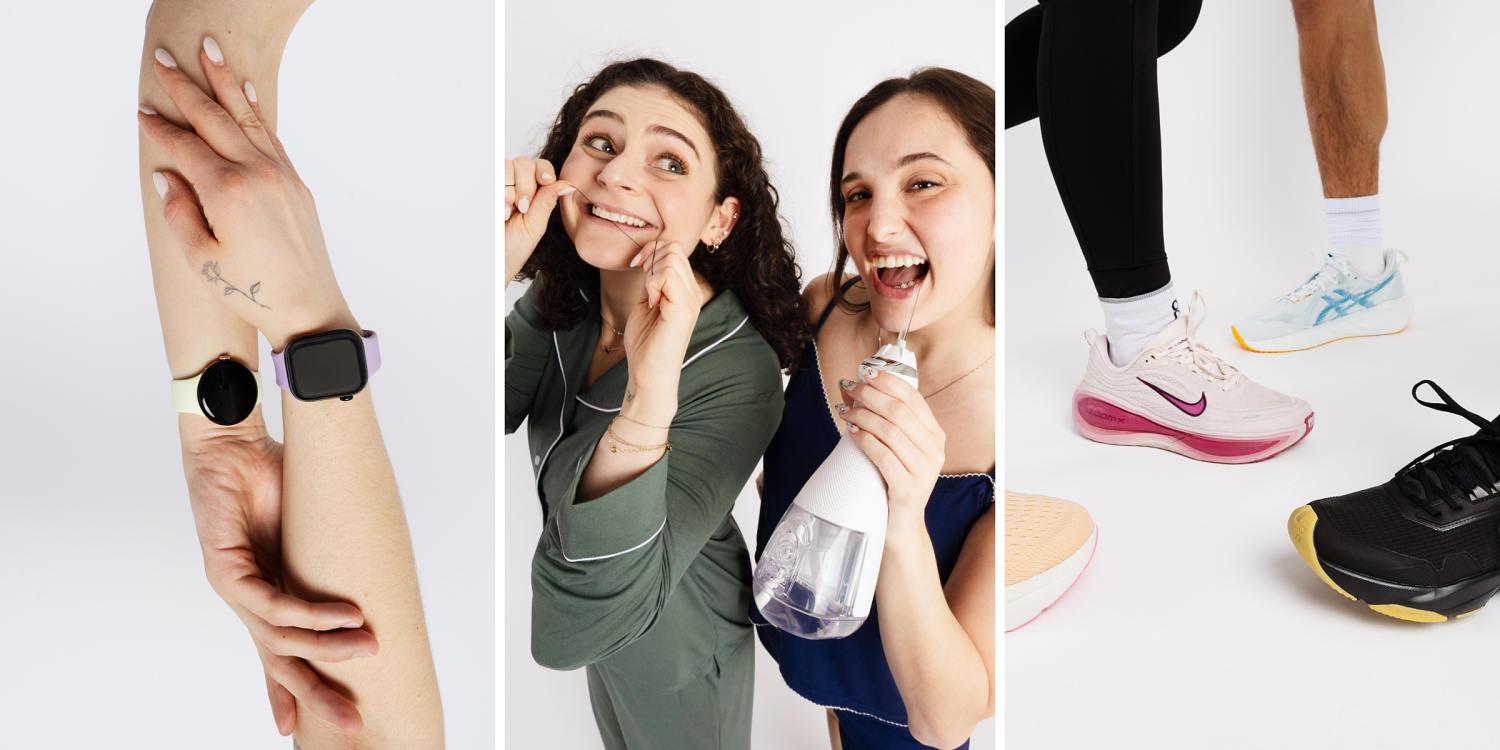
Oral care is the latest front in the wellness wars. It is no longer enough to brush and floss. You must now "bio-optimize" your mouth. The Oral-B iO Series 10 costs more than some smartphones, using artificial intelligence to track where you brush. The Waterpik Cordless Advanced 2.0 has replaced the simple string of floss in the minds of many, despite dentists still calling traditional flossing the gold standard.
The obsession with "clinical" results at home is evident in the popularity of Crest 3D Whitestrips Professional Effects and Sensodyne Clinical Repair. We are seeking the dental office experience in our own bathrooms. This isn't just about hygiene; it's about the aesthetic of health. A white smile has become a primary indicator of status and "wellness," driving a market for whitening toothpastes and high-end brushes that promises a level of perfection that biology rarely provides on its own.
The Accountability Gap
What is missing from the glossy awards and the "best-of" lists is a critical look at longevity and necessity. How many of these devices will be in a landfill in three years when the next "essential" model arrives? The Apple Watch Series 11 and Google Pixel Watch 4 are marvels of engineering, but they also contribute to a culture of planned obsolescence in a space—health—that should be about long-term stability.
We are also seeing a blurring of the lines between medical advice and retail therapy. When a product is "vetted for performance," it often means it performed well in a controlled, short-term test by people who are already fitness-conscious. It does not necessarily mean it will change the life of someone struggling with chronic insomnia or joint pain.
The wellness industry in 2026 is a paradox. It offers more tools than ever to help us feel better, yet we report higher levels of burnout and health anxiety. We are optimizing the symptoms while often ignoring the causes. A cooling pillowcase is a poor substitute for a shorter workday, and a $400 toothbrush cannot fix a high-sugar diet.
Beyond the Buy Button
The true future of wellness likely lies in the middle ground—using technology where it provides a clear, evidence-based benefit, but refusing to let it dictate our sense of self-worth. It involves recognizing that:
- Data is not destiny: Your Oura Ring score should not determine if you "feel" rested.
- Price does not equal health: A pair of Old Navy PowerSoft leggings provides the same range of motion as a pair three times the price.
- Simple is often better: Sunlight, water, and consistent movement remain the most "innovative" health hacks available, and they are mostly free.
The next time you are tempted by a "best of" list, ask yourself if the product is solving a problem you actually have, or if it is creating a new one for you to worry about. The most definitive act of wellness in 2026 might just be logging off, putting on an old pair of sneakers, and going for a walk without tracking a single calorie.
Identify one product in your current routine that requires a battery or an app, and try going without it for forty-eight hours to see if your actual physical well-being changes.