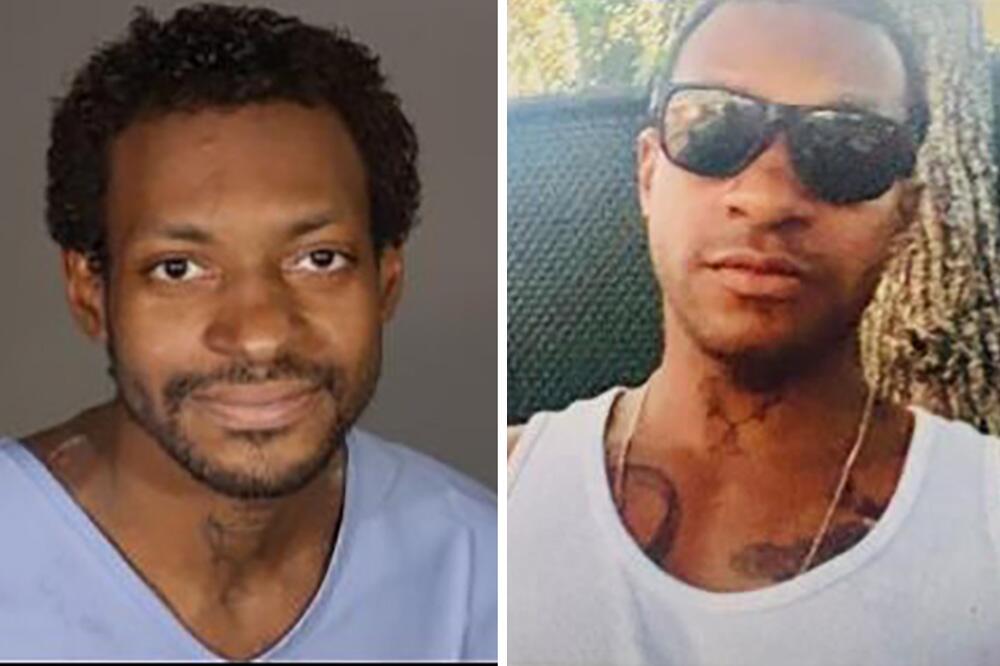
The quiet, manicured streets of Woodland Hills provide a deceptive sense of security that was shattered when a local couple was brutally stabbed by their adult son. While the Los Angeles Police Department (LAPD) responded to the immediate violence, the incident highlights a much larger, systemic failure regarding family-based violence and the accessibility of mental health intervention. This was not a random act of street crime. It was a domestic explosion that occurred within the sanctuary of a middle-class home, leaving neighbors stunned and two parents fighting for their lives.
Police arrived at the residence on the 20000 block of Martha Street to find a scene of chaotic trauma. The suspect, identified as the victims' son, was taken into custody after a brief standoff, but the physical wounds are only the beginning of this story. The real investigation lies in the months and years leading up to the first 911 call.
Domestic Violence Behind Closed Doors
Woodland Hills is the kind of neighborhood where people move to escape the grit of the city. It is characterized by high property values and a sense of insulation from the violent trends often reported in the urban core. Yet, domestic violence does not respect zip codes. When an adult child attacks their parents, the legal and social systems often find themselves ill-equipped to handle the nuance of the situation.
Most suburban violent crimes involving family members are the result of long-simmering tensions that go unreported because of the stigma attached to family dysfunction. Parents often hesitate to involve the police when a child becomes aggressive, fearing a criminal record will "ruin" the child’s future. This silence creates a vacuum where volatility grows unchecked until it reaches a breaking point involving a weapon. In this specific case, the use of a knife suggests a high level of personal animosity or a total break from reality, both of which indicate that the "warning signs" were likely present long before the first drop of blood was spilled.
The Gap in Crisis Intervention
The LAPD handles thousands of domestic disturbance calls every month, but the department’s ability to prevent these escalations is virtually nonexistent. Law enforcement is a reactive force. They show up when the crime has already been committed. The burden of prevention falls on a fragmented mental health system that is currently buckling under the weight of demand.
If a family member is showing signs of severe psychological distress or violent tendencies, California law offers limited options for involuntary commitment under Section 5150. These holds are temporary, often lasting only 72 hours, which is rarely enough time to stabilize a person with deep-seated issues. Families often find themselves in a "revolving door" where a person is hospitalized, medicated briefly, and then sent right back into the same household where the tension originated.
The Limits of Protective Orders
Many people assume that a restraining order is a shield. It is actually just a piece of paper. For a family living under the same roof, a restraining order is frequently ignored until it is too late. In many suburban households, parents act as the primary caregivers for adult children with severe behavioral issues, creating a codependency that makes legal separation almost impossible. This dynamic turns the home into a pressure cooker. Without external, long-term residential treatment facilities that are affordable for the middle class, these families are essentially left to manage ticking time bombs on their own.
A Neighborhood Under Pressure
The reaction from the Woodland Hills community has been one of collective shock, yet this shock reveals a certain level of denial regarding the current state of public safety. While much of the political discourse in Los Angeles focuses on homelessness and retail theft, the surge in aggravated assaults within private residences is a growing trend that receives far less funding and attention.
Neighbors reported hearing the screams and the arrival of sirens, a jarring contrast to the typical silence of Martha Street. This incident serves as a grim reminder that the most dangerous place for many individuals isn't a dark alleyway; it is their own living room. The LAPD’s West Valley Division, which covers Woodland Hills, has seen various fluctuations in violent crime, but the intensity of family-on-family violence remains a difficult metric to track because it is so often buried in "welfare check" statistics until it turns lethal.
The Burden of Proof for Families
The legal threshold for "imminent danger" is incredibly high. To get the state to intervene before a stabbing occurs, families must prove that their loved one is a danger to themselves or others. Often, unless a threat is explicit and recorded, or a weapon is brandished, the authorities claim their hands are tied. This leaves parents in a position where they must choose between their own safety and the potential incarceration of their child. In the Woodland Hills case, that choice was likely taken away the moment the suspect grabbed the knife.
Resource Allocation and Public Safety
The current strategy for managing these types of domestic crises is failing. We see a consistent pattern: a history of calls to the home, a lack of long-term psychiatric follow-up, and an eventual headline about a tragedy. If Los Angeles wants to reduce these incidents, the focus must shift toward specialized units that combine law enforcement with high-level psychiatric expertise, moving beyond the "co-responder" model that is currently underfunded and stretched thin.
We are watching a shift in the nature of suburban crime. It is becoming more intimate and more desperate. The suspect in the Woodland Hills stabbing is now facing the full weight of the California penal system, but that does nothing for the victims who must now recover from both physical wounds and the emotional devastation of being betrayed by their own flesh and blood.
The investigation into the Martha Street stabbing will likely follow the standard path of forensic evidence collection and witness statements. However, the broader inquiry must look at the failure of the safety nets intended to catch people before they pick up a weapon. The quiet streets of the Valley will remain on edge as long as the solution to mental health crises remains a police officer at the door after the damage is done.
Woodland Hills residents are left to wonder how a standard Tuesday evening turned into a crime scene, but the answers aren't in the police report. They are found in the lack of support for families dealing with volatility behind closed doors.