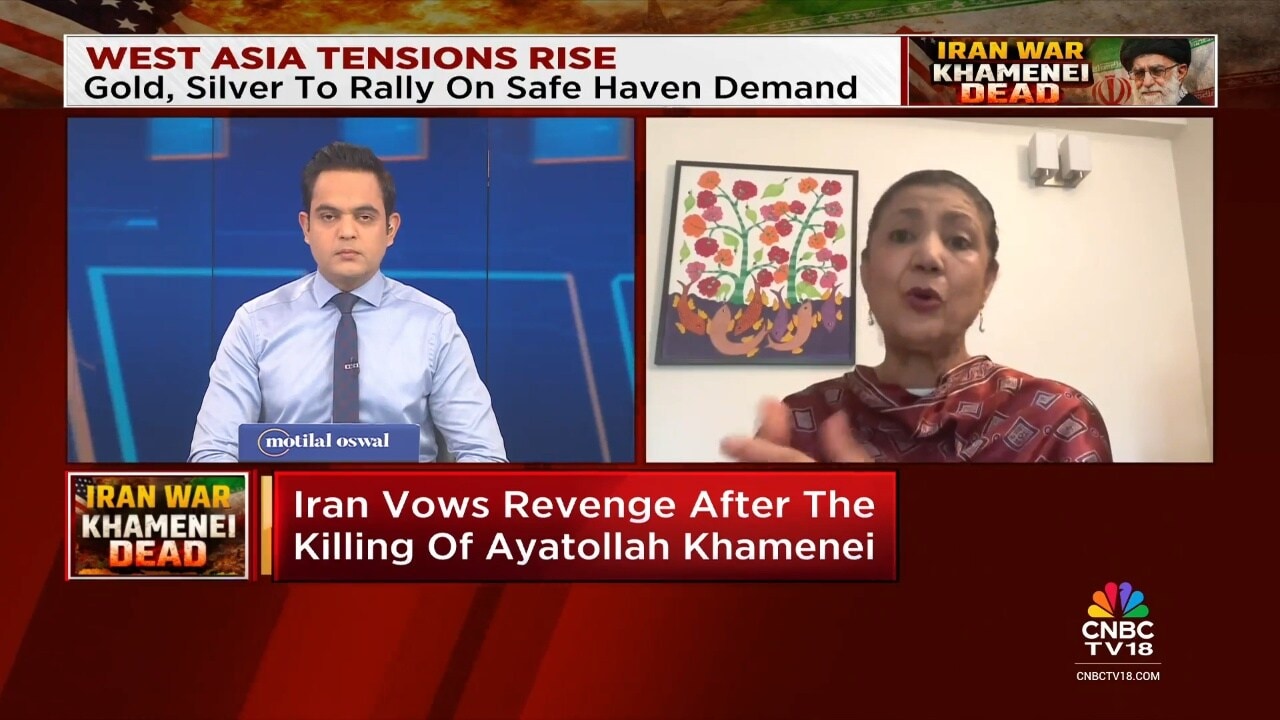
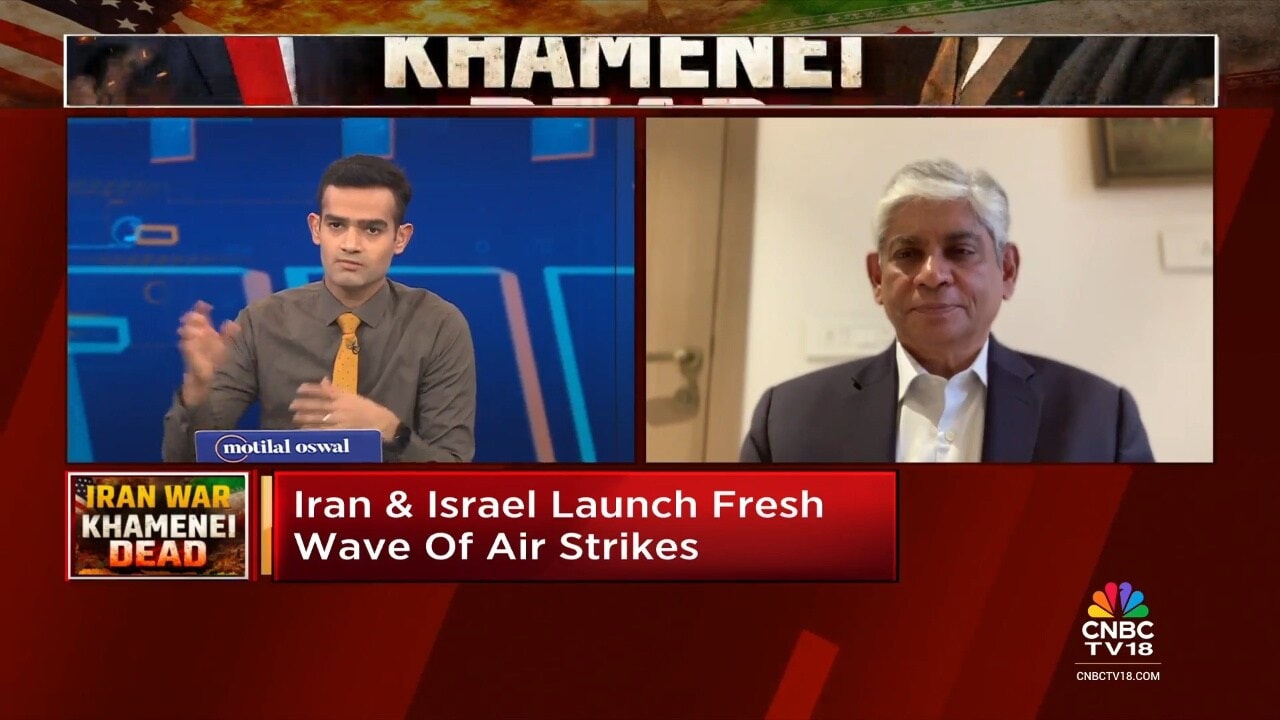
The Middle East just hit a tripwire that many hoped would never be touched. On March 1, 2026, the confirmation of Ayatollah Ali Khamenei’s death in a U.S.-Israeli air strike didn't just end a 36-year reign in Tehran; it set the streets of Karachi and Baghdad on fire. If you think this is just another headline about regional instability, you’re missing the scale of the rage. This isn't just about a political figure. For millions of Shia Muslims across the globe, this is a direct assault on their religious and ideological identity.
I’ve seen how these sparks turn into infernos. When news broke that a "precise, large-scale operation" hit Khamenei’s central leadership compound in Tehran, the reaction was instantaneous. In Karachi, Pakistan’s sprawling port city, what started as a protest quickly devolved into a battlefield.
The Karachi Consulate Siege and the Human Cost
The numbers coming out of Karachi are grim. At least 10 people are dead, and more than 70 are wounded. This wasn't a peaceful sit-in. Hundreds of protesters, driven by a mix of grief and fury, marched on the U.S. Consulate on Mai Kolachi Road. They didn't just chant; they breached the outer wall.
Videos circulating on social media show young men climbing the main gate, smashing windows, and even lighting fires in the reception hall. Security forces responded with tear gas and live ammunition. It’s a mess. Most of the victims died from gunshot wounds. One man was filmed yelling that the leader’s death "has been avenged," a chilling reminder that for many, this is now a blood feud.
The violence wasn't limited to Karachi. In the northern region of Gilgit-Baltistan, a Shia-majority area, at least 11 more people were killed in clashes. In Skardu, a UN office was torched. Protesters there aren't just angry at the U.S. and Israel; they're looking at their own government, which they see as complicit or at least paralyzed.
Baghdad and the Green Zone Under Pressure
While Karachi saw the highest body count, Baghdad is the strategic pressure cooker. Hundreds of Iraqis, many clad in black as a sign of mourning, tried to storm the fortified Green Zone. This is where the U.S. Embassy sits, and it’s the ultimate symbol of Western influence in Iraq.
Iraqi police used everything in their arsenal—tear gas, stun grenades, and physical barriers—to keep the crowd back. "The martyrdom of Sayyed Ali Khamenei has hurt us," one masked protester told reporters. It’s a sentiment that echoes through the "Axis of Resistance." From the streets of Beirut, where Hezbollah supporters are mourning, to the "million-person march" in Sanaa, Yemen, the message is the same: the U.S. and Israel have crossed a line that can't be uncrossed.
What This Means for Global Stability
Let’s be real. The assassination of a sitting head of state—especially one with the religious weight of a Grand Ayatollah—is an extraordinary event. Prime Minister Shehbaz Sharif of Pakistan called it a violation of international law, and he's not wrong about the precedent it sets.
But the fallout goes beyond legalities. Iran has already fired missiles at Israel and several Arab states, including the UAE and Bahrain. Dubai’s airport and a luxury hotel were hit. This is no longer a "contained" conflict. We’re looking at a multi-front war where the boundaries between state-on-state combat and street-level insurgency have blurred.
Why You Should Care
- Energy Prices: Any disruption in the Persian Gulf or unrest in Pakistan affects global oil and trade routes.
- Security Shifts: U.S. and British embassies have already warned their citizens to be on high alert. This level of animosity doesn't dissipate in a week.
- Radicalization: Events like this are the ultimate recruitment tool for extremist groups. When people feel their core identity is under attack, they don't look for moderate solutions.
The death of Khamenei hasn't brought the "PEACE" that some political leaders promised. Instead, it’s exposed the deep, jagged fractures in the region. The immediate task for anyone in these areas is simple: stay away from large gatherings and diplomatic enclaves. If you’re a traveler or an expat, ensure your embassy registration is current. The situation is volatile, and the next few days will determine if this remains a series of tragic riots or escalates into a full-scale regional collapse.