Marvel fatigue isn't just a catchy headline. It's a reality that even the architects of the franchise's biggest successes are openly admitting. After seven years of steering the ship through massive blockbusters, directors Joe and Anthony Russo admitted they were completely exhausted. The endless web of interconnected television shows, obscure character spin-offs, and multiversal homework turned the Marvel Cinematic Universe into a chore.
If you feel overwhelmed trying to keep up, you aren't alone. The filmmakers feel it too.
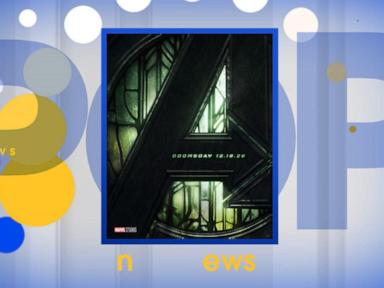
That exhaustion is exactly why their upcoming project, Avengers: Doomsday, is taking a radical detour. During a panel at SXSW London, the Russo brothers dropped a bombshell about their approach to the film. They aren't building on top of the shaky foundation of Phases 4 and 5. Instead, they're treating the movie as a hard reset.
Shifting Back to Phase Zero
The biggest takeaway from the Russos' recent comments is the concept of Phase Zero. Joe Russo revealed that he recently huddled with Robert Downey Jr. to map out the strategy, and the goal is simple: start over from scratch.
"We want to make sure everybody feels like this isn't leaning on anything from the past," Joe Russo stated.
This is a massive tactical shift for Marvel Studios. For over a decade, the entire selling point of the MCU was the exact opposite. You had to watch everything because every single post-credits scene and minor character interaction built toward the next big event. Now, the directors are actively trying to cut those strings.
The strategy came together after screenwriter Stephen McFeely pitched a specific creative concept that broke the skies open for the production team. While the exact mechanics of that plot point remain under lock and key, the intent behind it is clear as day. Marvel wants to eliminate the barrier to entry for casual moviegoers who didn't spend the last four years watching every single Disney+ streaming series.
The Continuity Trap and Why It Failed
Let's be completely honest about how we got here. The Multiverse Saga lost its way because it lacked a singular, driving focus. Ant-Man and the Wasp: Quantumania tried to position Kang the Conqueror as the next Thanos, but behind-the-scenes issues and lukewarm box office returns forced a massive pivot.
Meanwhile, projects like Shang-Chi and the Legend of the Ten Rings, Eternals, and Doctor Strange in the Multiverse of Madness left dozens of unresolved plot threads hanging in the wind. We have giant stone celestial bodies sticking out of the ocean, magical rings sending beacon signals into deep space, and characters jumping between realities with zero connective tissue.
Trying to write a single movie that satisfies all of those lingering subplots is a narrative nightmare. If the Russos spent the first hour of Avengers: Doomsday cleaning up the creative clutter of the last twenty Marvel projects, the movie would be dead on arrival.
Instead, they're taking a page out of the comic book playbook. In comics, when continuity becomes too bloated and confusing, publishers trigger a crisis event to wipe the slate clean. That appears to be the exact function of Doctor Doom's introduction. He isn't just another villain for the Avengers to fight; he's the wrecking ball meant to level the existing playing field so Marvel can rebuild.
Balancing a Stuffed Cast List
Wiping the slate clean is easier said than done when your cast list looks like a Hollywood phone book. Avengers: Doomsday is set to feature an incredibly dense lineup of characters, including the Fantastic Four, the Thunderbolts, Anthony Mackie's Captain America, and Chris Hemsworth's Thor. Rumors even point to legacy characters like Patrick Stewart's Professor X and Ian McKellen's Magneto making appearances.
Managing that many egos and storylines sounds impossible, but the Russos have a specific track record here. Before they changed the blockbuster landscape with Captain America: Civil War and Infinity War, they cut their teeth directing ensemble television comedies like Arrested Development.
That specific background matters. Ensembles succeed when you stop trying to give every single character equal screen time and instead focus on giving them distinct narrative purpose. The Russos noted that the structure of Doomsday is highly complex, designed to give specific characters their own dedicated space to highlight major emotional beats rather than just throwing everyone into a giant, chaotic sandbox all at once.
What a Clean Slate Actually Means for Moviegoers
Don't mistake this Phase Zero talk for a complete erasure of your favorite characters. Robert Downey Jr. is back, but he isn't playing Tony Stark; he's embodying Victor von Doom. Chris Evans is reportedly returning, but the context remains hidden.
The reset is about narrative weight. It means you won't need to recall the specific events of an obscure streaming show to understand why a character is angry, sad, or allied with a particular faction. The movie aims to establish its own stakes, its own tone, and its own rules within the first ten minutes.
If you want a hint of what this looks like in practice, look at how the directors handled previous entries. Infinity War didn't spend twenty minutes explaining how Thanos got the Power Stone from Xandar; it just started with him already possessing it. It trusted the audience to accept the immediate reality on screen. Doomsday is taking that philosophy to the absolute extreme.
The Immediate Road Map
If you want to prepare for where the MCU is going without drowning in old continuity, change how you watch these upcoming releases.
- Skip the deep-dive rewatches: Stop trying to marathons dozens of past films and shows to find hidden clues. The directors are explicitly telling you they aren't leaning on them.
- Focus on the immediate setups: Pay close attention to the standalone nature of upcoming projects like Captain America: Brand New Day and Thunderbolts. Look at them as introducing the current state of the world, rather than puzzle pieces to a massive grand design.
- Embrace the localized stakes: Expect Doomsday to feel more like a self-contained introduction to a terrifying new threat rather than a traditional sequel to the last five years of Marvel media.
The era of the hyper-connected, mandatory-viewing cinematic universe is drawing to a close. By forcing a hard reset into Phase Zero, Marvel is betting everything on a simple premise: a great movie doesn't need a decade of required reading to validate its existence.