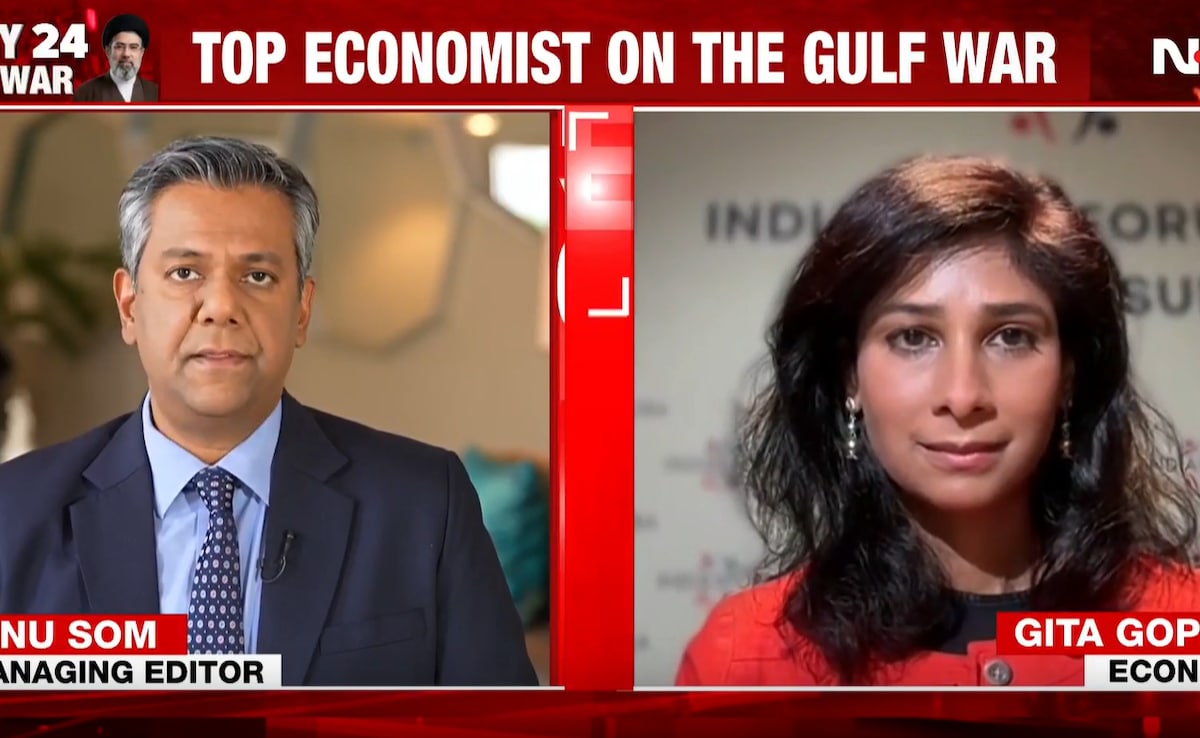
The global energy market just blinked. After a weekend spent pricing in the apocalypse, traders woke up Monday to a 10% collapse in crude oil and a relief rally that sent the S&P 500 up 1.5%. The catalyst was a single post from President Donald Trump claiming "very good" talks with Tehran and a five-day stay of execution for Iran’s power grid. It looked like a masterstroke of "Art of the Deal" diplomacy. But look closer at the plumbing of the global economy, and the picture gets much darker.
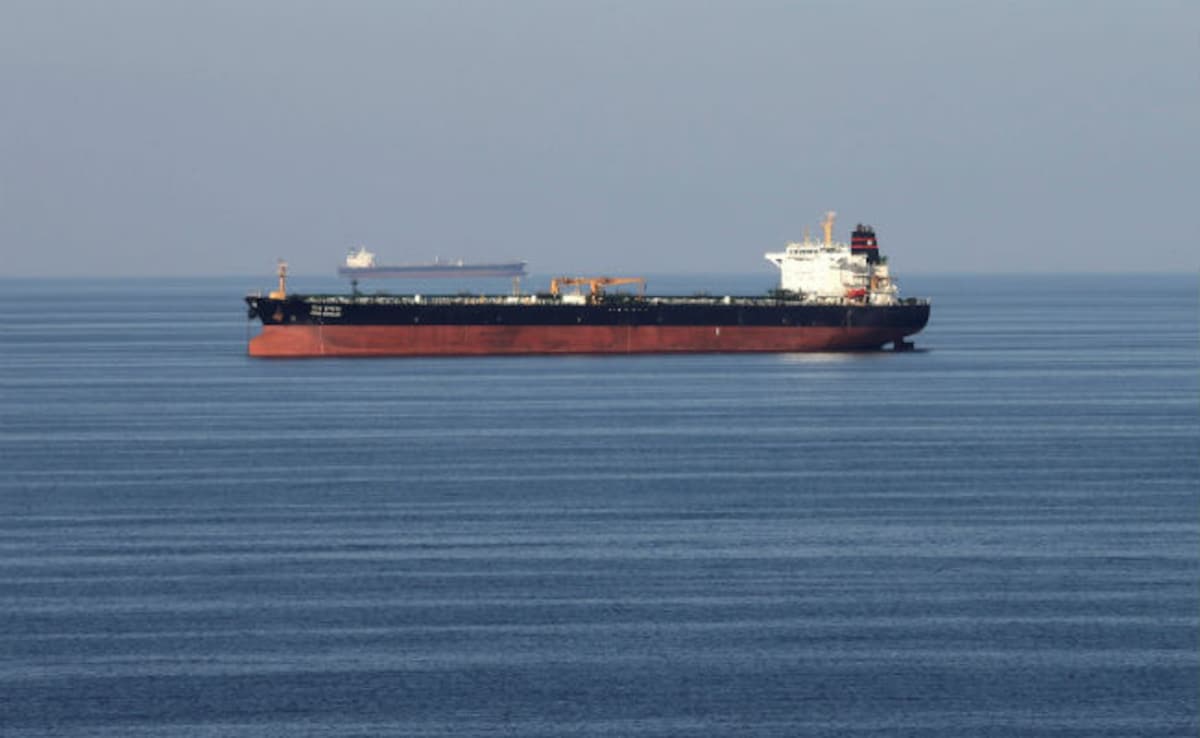
This isn't a peace treaty. It is a high-stakes game of chicken where the global consumer is the hood ornament. While the headlines scream about a rebound, the reality is that the Strait of Hormuz remains a ghost town. One-fifth of the world’s oil and liquefied natural gas (LNG) is still effectively trapped behind a wall of Iranian threats and U.S. naval blockades. The 10% drop in Brent crude—which touched $113 earlier today before sliding toward $100—is a reaction to a pause in the bombing, not a restoration of the supply.
The TACO Strategy and Market Whiplash
Wall Street has a new acronym for this administration’s geopolitical maneuvers: TACO, or "Trump Always Chickens Out." Critics and some hardened floor traders argue that the President uses massive military threats to shock the market, only to offer a "pause" the moment the Dow Jones Industrial Average enters a correction.
On Saturday, the ultimatum was clear: Iran had 48 hours to reopen the Strait or face the "obliteration" of its energy infrastructure. By Monday morning, that deadline was replaced by a five-day "productive conversation" window. The volatility is profitable for those with the right algorithms, but it is devastating for long-term industrial planning. Shipping giants are not sending tankers back into the Gulf of Oman based on a Truth Social post. They are waiting for the mines to be cleared and the insurance premiums to drop from their current "war zone" levels.
The Physical Reality vs The Digital Narrative
We are currently witnessing a massive disconnect between paper oil and physical oil.
- Paper Oil: The futures contracts traded in London and New York. These are plummeting because speculators are betting on a de-escalation.
- Physical Oil: The actual barrels needed to run refineries in Rotterdam and Tokyo. These remain scarce.
The International Energy Agency (IEA) isn't buying the optimism. IEA Chief Fatih Birol recently warned that this is the worst energy crisis in decades, a "triple shock" surpassing the 1970s. Even if the U.S. and Iran shake hands tomorrow, the supply chain cannot be "un-kinked" overnight.
The Hidden Logistics Crisis
Restarting the flow through the Strait of Hormuz is not like flipping a light switch. There are three primary hurdles that the current market rally is ignoring:
- Maritime Insurance: Premiums for transit through the Gulf have increased by over 1,000% since the conflict began in February. Underwriters require "boots on the ground" verification of safety before they lower those rates.
- Wellhead Integrity: In some regions, shutting in production for weeks leads to pressure issues at the wellhead. You don't just "turn on" 11 million barrels of daily capacity without technical delays.
- Refinery Lag: Refiners have already begun shifting their "slates" to accommodate non-Gulf crudes. Switching back to Iranian or Iraqi heavy grades takes time and chemical recalibration.
Tehran’s Denial and the Credibility Gap
While the White House paints a picture of productive dialogue, the Iranian Foreign Ministry is calling the claims "fake news." This creates a dangerous information vacuum. If the U.S. is pausing strikes based on a diplomatic breakthrough that one side says doesn't exist, the "rebound" in stocks is built on sand.
The S&P 500 jumped 1.4% today, led by airlines like United and American. This is a classic "fuel cost" trade. Investors are betting that the era of $120 oil is over. But if Friday arrives and the Strait remains closed, the snap-back in prices will be more violent than the drop we saw this morning.
The $200 Barrel Shadow
Energy analysts at Wood Mackenzie have been quietly circulating a "prolonged disruption" scenario where Brent hits $200 per barrel. We are not there yet, but the path to that number is paved with failed "pauses."
The U.S. has already tapped the Strategic Petroleum Reserve (SPR) to its lowest levels in decades. The "shock and awe" of a 400-million-barrel emergency release has been spent. Without a permanent resolution that involves the physical reopening of shipping lanes, the market is merely oscillating between panic and temporary relief.
The Real Action Step
For the average observer or the serious investor, the metric to watch isn't the daily price of WTI or the latest presidential post. Watch the Tanker Tracking Data. Until the number of vessels successfully transiting the Strait of Hormuz returns to its 2025 average of roughly 80 ships per day, the global energy crisis is still in its first act.
Check the daily maritime traffic reports from Lloyd’s List or MarineTraffic specifically for the Hormuz chokepoint; if those numbers don't move, this "plunge" in oil prices is nothing more than a temporary discount on a looming catastrophe.