The coffee in the cup holder is still too hot to drink when the numbers on the gas pump screen begin their frantic, rhythmic dance. It starts with a flicker. Then, a jump. For most people, the price of a gallon is a minor annoyance, a shifting decimal point that dictates whether they buy the name-brand cereal or the generic box this week. But for the global economy, those digits are the pulse of a fever.
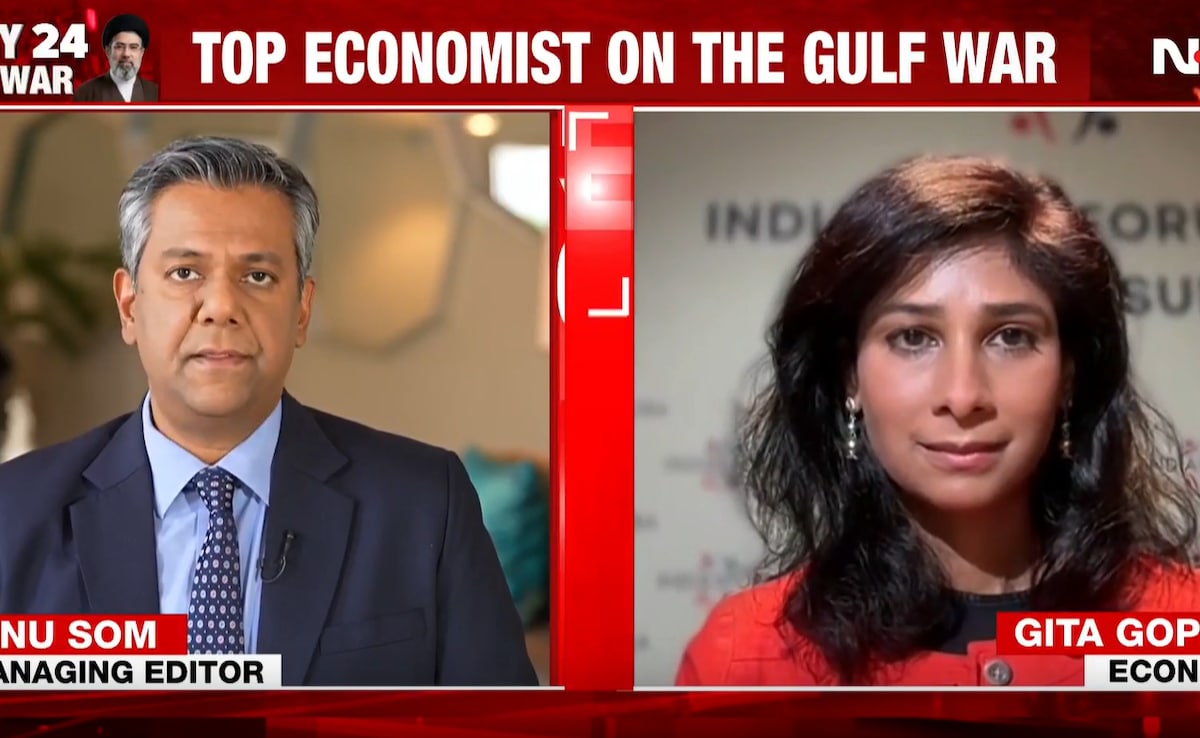
When Gita Gopinath, the First Deputy Managing Director of the IMF, stands before a microphone to discuss oil volatility and the escalating tensions in the Middle East, she isn't just talking about spreadsheets. She is talking about the friction that slows down the world. She is talking about a potential 1% shave off global GDP growth.
One percent sounds small. It sounds like a rounding error. It isn't.
The Butterfly in the Strait
To understand why a conflict thousands of miles away can reach into a suburban garage and tighten a family's budget, you have to look at the choke points. Imagine a vein. If you press down on it, the entire body feels the pressure. The Strait of Hormuz is that vein.
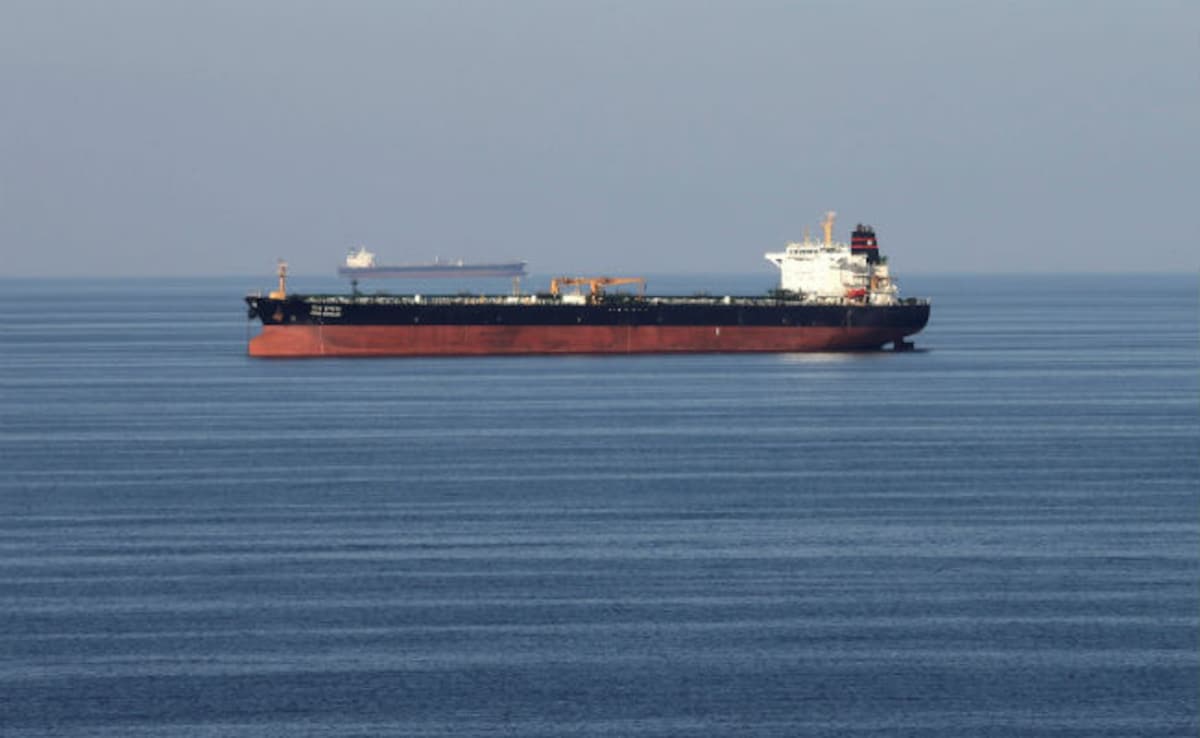
Roughly one-fifth of the world's total oil consumption passes through this narrow stretch of water. It is a geographical fluke that holds the keys to the global engine. When the rhetoric between Iran and its neighbors sharpens, or when drones shadow tankers, the insurance markets in London and the trading floors in New York react instantly. They don't wait for a barrel to be lost; they price in the fear that it might be.
This is the "risk premium." It is the price we pay for uncertainty.
Consider a hypothetical truck driver named Elias. Elias operates a small logistics firm in the Midwest. He doesn't follow international diplomacy. He doesn't read IMF white papers. But his entire business model is built on the assumption of stability. When oil prices spike due to conflict in the Middle East, his fuel surcharge goes up. To cover that, he raises the price he charges the grocery chain. The grocery chain, in turn, adds ten cents to the price of a gallon of milk.
Multiply Elias by ten million. That is how a 1% drop in GDP growth begins. It is a slow-motion collision of rising costs and falling confidence.
The Geometry of a Slowdown
The math is cold, even if the consequences are warm and human. According to the IMF’s projections, a significant escalation in the Middle East—specifically one involving Iran—could lead to a sustained jump in oil prices. If prices rise and stay high, the mechanics of the global economy begin to grind.
High energy prices act as a regressive tax. They hit the poorest the hardest because energy and food make up a larger share of their monthly expenses. When a household spends more on gas, they spend less on everything else. The local restaurant sees fewer patrons. The clothing store sees fewer sales. The factory, facing higher electricity and transport costs, pauses its hiring plan.
$$\Delta GDP \approx -1%$$
That equation represents lost jobs. It represents the small business that never opens. It represents the research grant that gets shelved. Gopinath’s warning isn't a prediction of a crash, but a description of a "soft" stagnation that feels very hard to the person losing their overtime hours.
The Inflationary Ghost
We have spent the last few years fighting an inflationary ghost that refused to leave the room. Central banks raised interest rates, making mortgages more expensive and credit harder to find, all to cool down prices. We were finally seeing the light at the end of that tunnel.
Oil volatility threatens to blow the door shut.
If energy prices surge, inflation returns. If inflation returns, central banks cannot lower interest rates as quickly as they planned. We find ourselves trapped in a pincer movement: high costs of living on one side, and high costs of borrowing on the other.
It is a delicate dance. The global economy is currently walking a tightrope between a "soft landing" and a recession. A massive spike in oil is like a sudden gust of wind. It doesn't take much to lose your balance when you’re already wobbling.
The human element here is the loss of agency. When a family sits at a kitchen table trying to figure out why their paycheck doesn't go as far as it did last month, they aren't thinking about geopolitics. They are feeling the weight of a world that is interconnected in ways that often feel unfair. The invisible threads of global trade mean that a decision made in a bunker or a boardroom in Tehran or Tel Aviv determines whether a student in Ohio can afford their textbooks.
The Buffer of Uncertainty
Why does the IMF highlight 1%? Because that is the margin of safety.
In a robust year, a 1% dip is a hurdle. In a year of fragile recovery, a 1% dip is a barrier. It is the difference between a country's economy expanding enough to create new opportunities or merely treading water while the population grows.
We often treat "The Economy" as a monolithic entity, a giant machine that breathes and eats. But the economy is just a word we use to describe the sum of billions of tiny human interactions. It’s the handshake at a car dealership. It’s the swipe of a credit card at a pharmacy. It’s the decision to fix the roof this year or wait until next.
Volatility kills the "wait until next" decision. It breeds a culture of hesitation. When the world feels volatile, people hold onto their cash. They hunker down. This collective retraction is what actually creates the GDP drop. It is a self-fulfilling prophecy of caution.
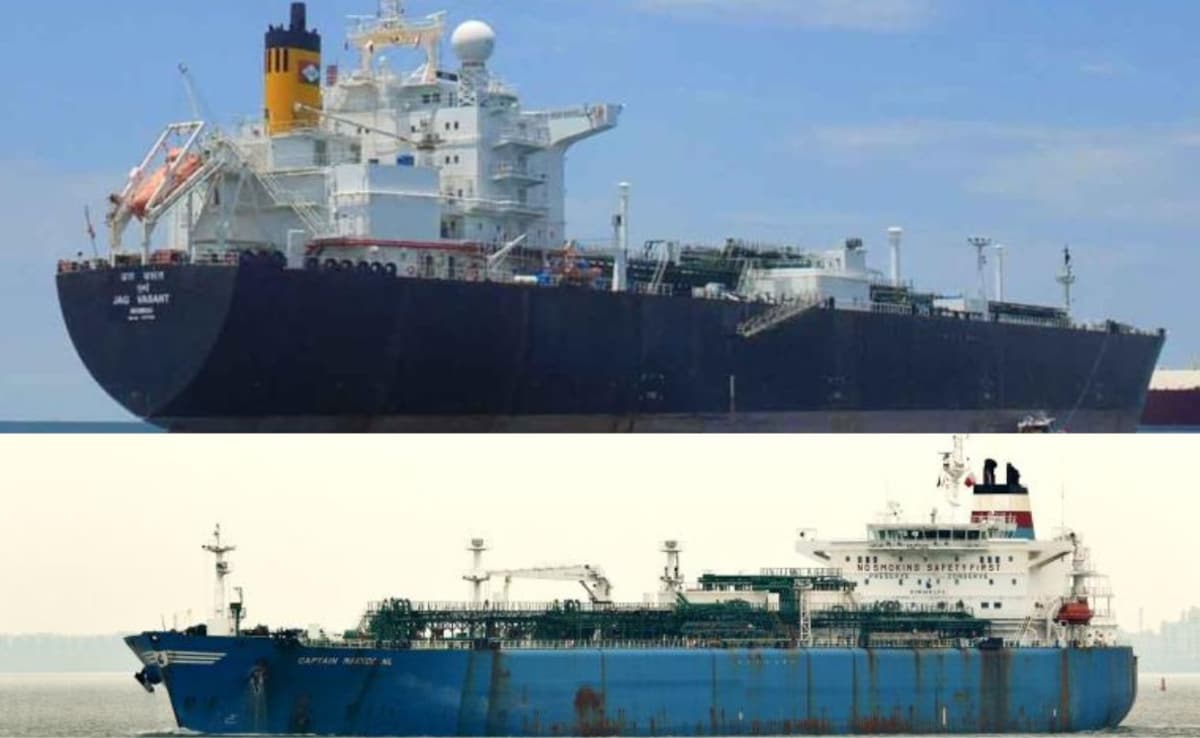
The tankers moving through the Gulf are carrying more than just crude oil. They are carrying the stability of the global supply chain. They are carrying the ability for a factory in Germany to keep its lights on and for a farmer in India to fuel his tractor.
The world is a series of interconnected vessels. When one overflows with tension, the pressure is felt in every other container. We are not spectators to the volatility; we are the ones who absorb it.
The sun rises over the gas station. The numbers on the pump stop spinning. The total is higher than it was yesterday. The driver sighs, puts the nozzle back, and pulls out onto the highway, moving a little slower, thinking about the budget, while the gears of the global machine groan under the weight of a single, devastating percentage point.