The headlines are predictable. They are designed to pull at your heartstrings while ignoring the cold, hard mechanics of national sovereignty. We are told that deporting the family members of a worker killed in the Baltimore bridge disaster is a unique cruelty. The narrative is simple: a man dies in service to American infrastructure, and the state repays that sacrifice by targeting his grieving survivors.
It is a compelling story. It is also a fundamental misunderstanding of how law, risk, and international borders function.
If we want to have a serious conversation about immigration and labor, we have to stop using tragedy as a loophole for policy. The "lazy consensus" suggests that a workplace accident should serve as a permanent legal shield for anyone tangentially connected to the victim. This is not how a functioning legal system works. It is how you create a chaotic, precedent-based mess that rewards proximity to disaster rather than adherence to the rule of law.
The Invisible Contract of High-Risk Labor
Let’s be blunt. The men on that bridge were doing a job that most Americans won’t do. That is the standard line. But they were also operating within a specific risk framework. When a foreign national accepts a job in a high-risk industry—whether it is construction, maritime logistics, or agriculture—there is an implicit understanding of the stakes.
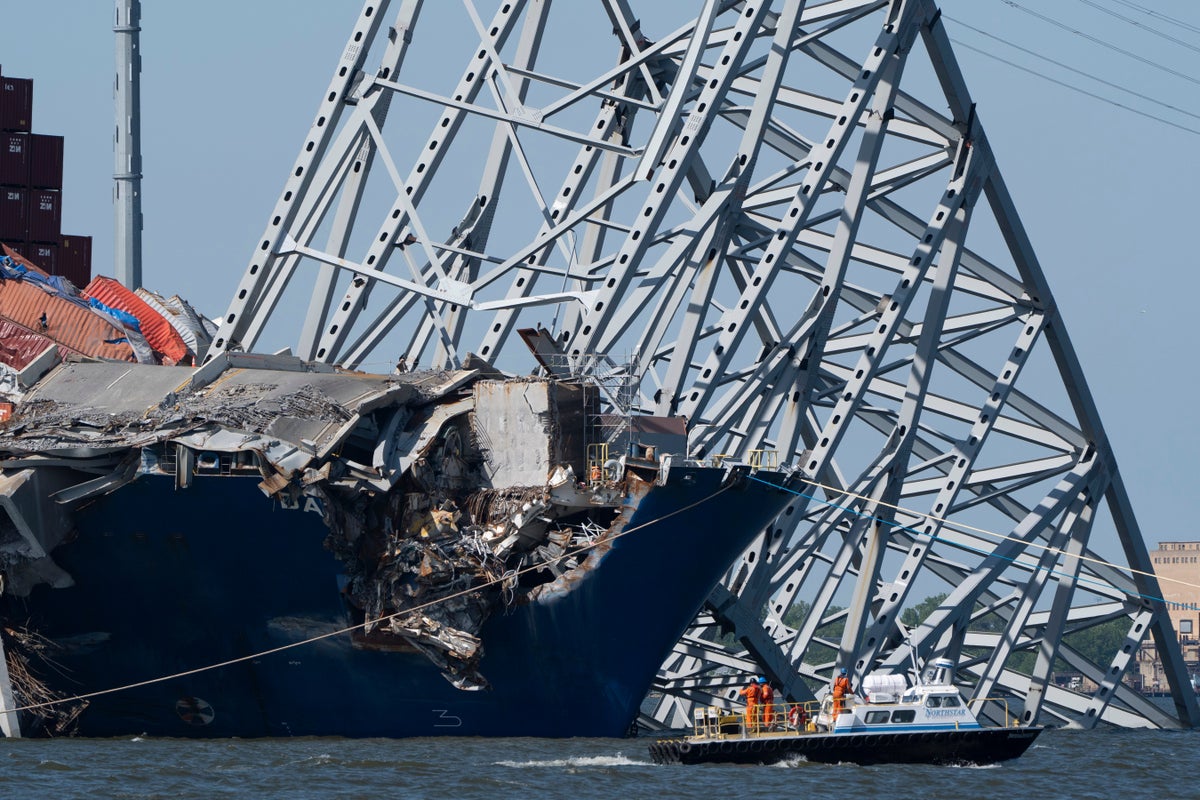
The tragedy of the Francis Scott Key Bridge was a failure of engineering and maritime safety, not a failure of the immigration system. To conflate the two is a tactical error.
The argument for staying the deportation of the families rests on the idea of "extraordinary circumstances." But death is a known variable in heavy infrastructure. Every year, thousands of people die in workplace accidents. If we establish that a workplace fatality automatically confers legal status or immunity to the victim’s extended family, we are essentially creating a lottery where the prize is a green card and the cost is a life.
That is not a policy. That is a ghoulish incentive structure.
Deconstructing the Humanitarian Shield
The competitor articles love to use the term "loved ones." It is a word designed to bypass the analytical brain and go straight for the gut. But in the eyes of the law, these individuals are either here legally or they are not. Their relationship to a deceased worker does not retroactively change their entry status.
- Status is binary. You are either authorized to be in the country, or you are not.
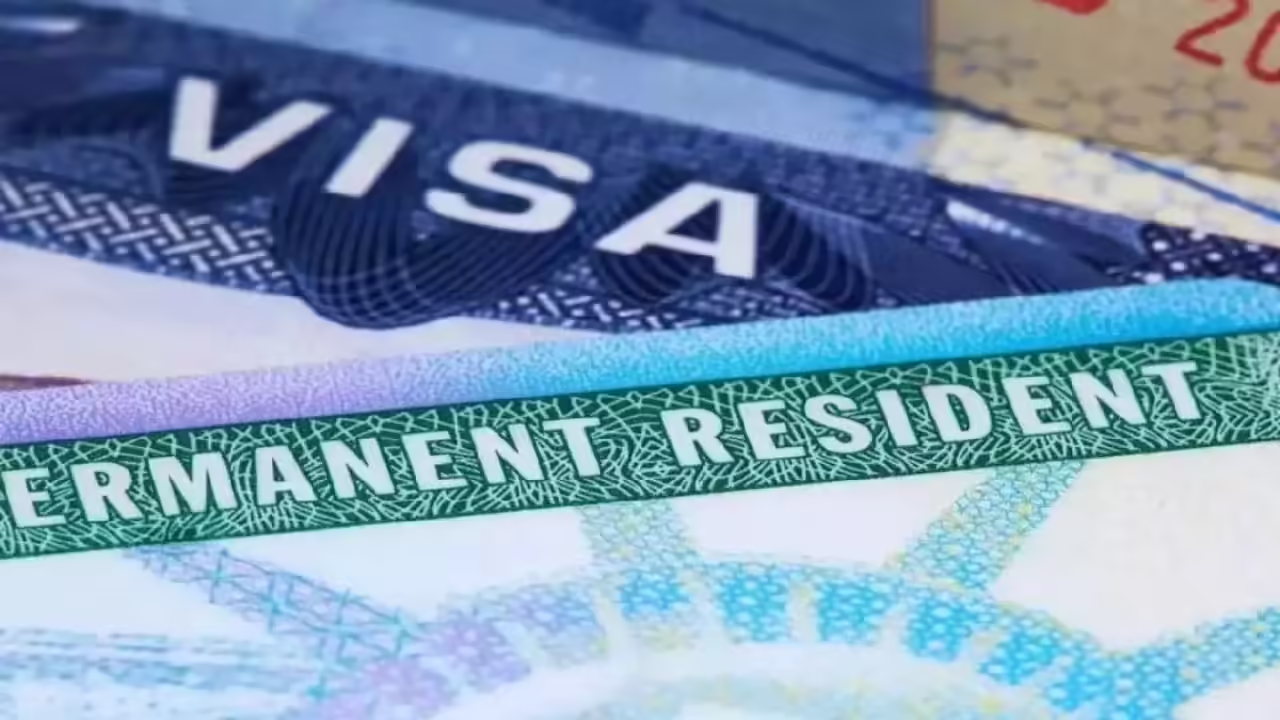
- Tragedy is not a visa category. There is no "Bereaved Relative" clause in the INA (Immigration and Nationality Act) that applies to general workplace accidents.
- Precedent is a parasite. Once you grant an exception for a bridge collapse, you must grant it for a factory fire, a warehouse collapse, and a trucking accident.
I’ve seen how this plays out in the corporate world. When a company makes an "exception" for one high-performing employee who broke the rules, it effectively kills the rule for everyone. The same logic applies to national borders. If the law is only applied when it feels good, it isn’t law—it’s a suggestion.
The Infrastructure Blind Spot
Critics argue that these workers are the "backbone of America." If they are the backbone, then treat them with the respect of a professional. Professionals operate under contracts. Contracts have terms.
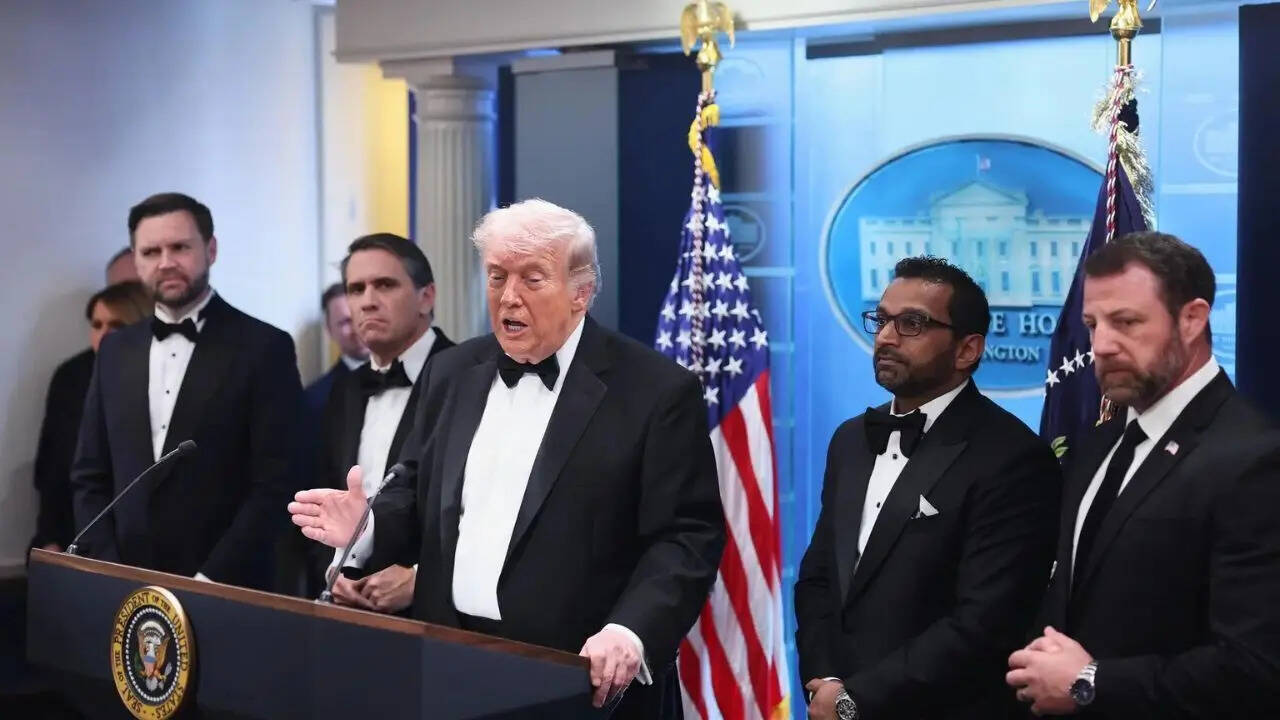
When the Trump team—or any administration—looks at deportation, they are looking at the enforcement of existing statutes. The "disruption" here isn't the deportation; the disruption was the bridge falling down. The legal process that follows for the survivors is simply the continuation of a status that existed long before the Dali ever hit that pylon.
Imagine a scenario where a foreign executive on a temporary visa dies in a car crash. Does his extended family, who may be overstaying their own visas, get a lifetime pass to stay in the U.S. because the executive was "important" to the local economy? No. We would call that an absurd overreach. Why, then, do we change the logic for manual labor?
The answer is patronizing. We treat the working class as if they are incapable of understanding the risks of their own legal status. It is a soft bigotry of low expectations that assumes these families shouldn't be held to the same standards as everyone else because they have suffered.
The Cost of Emotional Policy
Emotional policy is expensive. It’s expensive for the taxpayer, and it’s expensive for the integrity of the legal system. When we prioritize optics over enforcement, we signal to the world that our laws are negotiable if you can generate enough sympathy in a 24-hour news cycle.
The Francis Scott Key Bridge disaster was a failure of many things:
- Maritime Regulation: How did a ship that size lose power in a critical channel?
- Infrastructure Resilience: Why was the bridge not protected by more robust "dolphins" or fenders?
- Corporate Accountability: Who is paying for the multi-billion dollar cleanup?
These are the questions we should be asking. Instead, we are arguing about the deportation of a handful of people because it makes for a better headline. It is a distraction. It allows the shipping companies and the port authorities to escape the spotlight while the public bickers over the fate of individuals who were already in violation of federal law.
The Reality of Enforcement
The "insider" truth that no one wants to admit is that the immigration system relies on a certain level of coldness. It has to. You cannot manage a population of 330 million people based on how sad their individual stories are.
If the Trump team moves forward with these deportations, they aren't "targeting" the families of victims. They are resuming an enforcement process that was likely already in play or would have been in play regardless of the bridge. The accident didn't make them "illegal"; their lack of a visa did.
To suggest that the government should look the other way because of a tragedy is to argue for a system of "Empathy-Based Enforcement."
Let's look at what that actually looks like:
- Inconsistency: Only those whose tragedies make the news get to stay. The man who dies in a quiet, lonely construction accident in a rural town gets no such advocacy.
- Corruption: It encourages the politicization of grief.
- Unfairness: It spits in the face of the millions of people who are currently waiting in line, paying thousands in legal fees, and following every single rule to enter the country the right way.
Moving Beyond the Outrage
We need to stop asking "How could they be so cruel?" and start asking "What is the actual purpose of a border?"
If the purpose is to have a regulated, predictable flow of people, then exceptions must be microscopic and clearly defined by statute, not by public outcry. The families of the Baltimore bridge victims deserve our sympathy. They deserve the life insurance payouts, the workers' comp, and the private charity that has rightfully poured in.
They do not, however, deserve a fundamental rewrite of American immigration law.
The hard truth is that the law is a blunt instrument. It doesn't have a heart, and it shouldn't. When we start trying to give the law a heart, we end up with a system that is heartless to those who actually follow it.
Stop looking at the bridge and start looking at the statute books. The tragedy was the collapse. The deportation is just the law finally catching up.