The light in the French National Assembly is always a particular shade of gold, reflecting off the velvet and the gilded moldings, but on Tuesday, the air felt heavy. Roland Lescure stood before the deputies, his voice steady but the subtext of his words vibrating with an old, familiar anxiety. He spoke of a "new oil shock." For most, that phrase is a headline. For a baker in a small village in the Creuse or a logistics manager in Lyon, it is the sound of a guillotine blade sliding into place.
We have been here before.
History doesn't repeat, but it certainly rhymes in the key of crisis. When the Middle East catches fire, the smoke eventually drifts into the kitchens of Western Europe. It starts as a flicker on a news ticker—tensions rising, borders shifting, missiles crossing desert skies—and ends as a number on a digital sign at a roadside station. That number dictates whether a family takes a summer vacation or whether a small business owner can afford to keep the delivery van running.
The Invisible String
Think of the global economy not as a series of spreadsheets, but as a vast, interconnected web of invisible silk. When a conflict erupts thousands of miles away, someone pulls a thread. The vibration travels. It crosses the Mediterranean, bypasses the Alps, and snaps tight around the throat of the French economy.
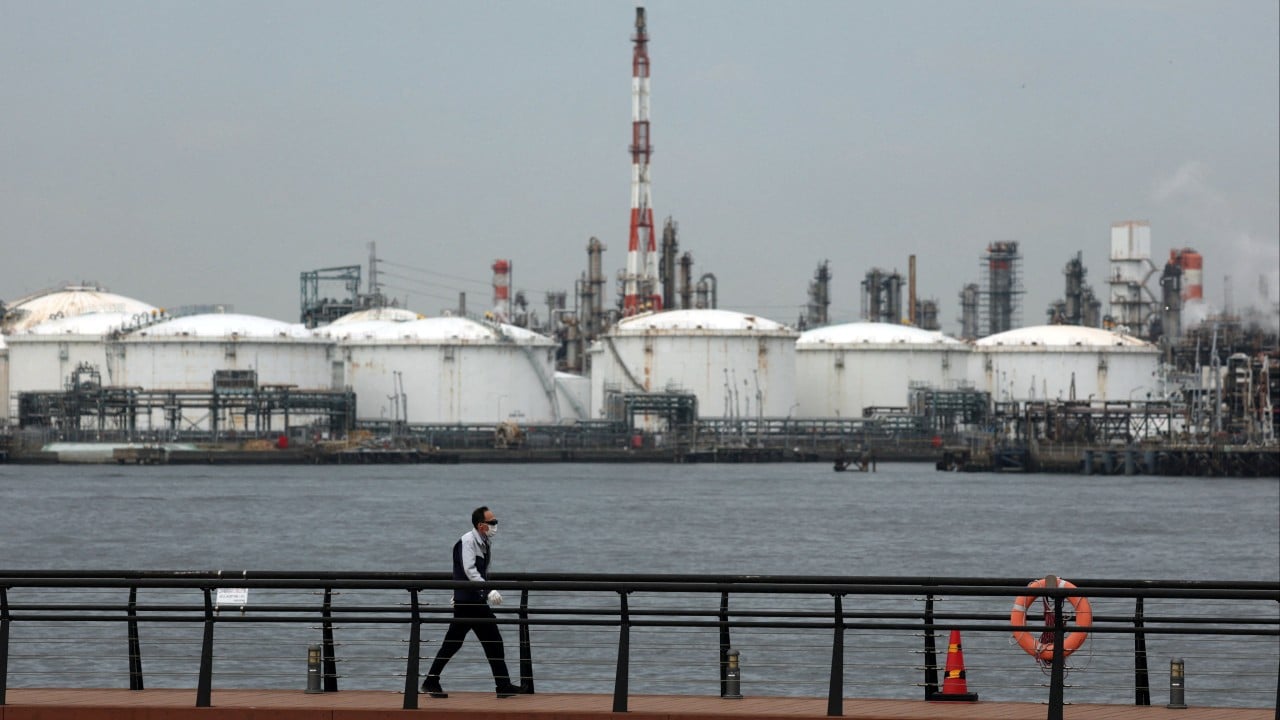
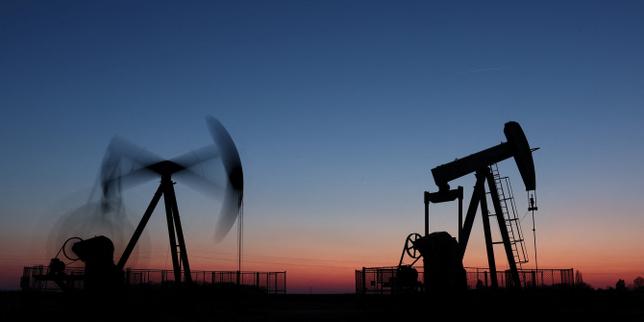
Lescure wasn't just giving a report; he was acknowledging a vulnerability we often try to forget. France, for all its nuclear independence and its push toward the "green" horizon, still breathes oil. When the supply tightens or the fear of a shutdown in the Strait of Hormuz peaks, the cost of that breath goes up. This isn't just about cars. It is about the plastic in a child’s toy, the asphalt on the road, and the fertilizer that grows the wheat for the morning baguette.
The math is brutal and indifferent. If the price of a barrel climbs, the cost of living doesn't just rise—it mutates.
The Human Toll of the Centime
Let’s look at a man we’ll call Marc. He isn’t real, but his ledger is. Marc runs a small plumbing business in the suburbs of Paris. He has three vans. On a normal Tuesday, he doesn’t think about the Middle East. He thinks about leaky faucets and clogged drains. But when the "shock" Lescure warned about hits, Marc’s reality shifts.
An extra twenty cents at the pump might seem trivial to a politician in a chauffeur-driven Peugeot. To Marc, that twenty cents multiplied by three vans, six days a week, fifty-two weeks a year, is the difference between hiring an apprentice and telling his son they can’t afford the new football boots this season.
This is the "human-centric" reality of geopolitics. We talk in percentages and "shocks," but we live in centimes and sacrifices. The anxiety in the Assembly on Tuesday wasn't just about macroeconomics; it was about the collective blood pressure of a nation that remembers the 1970s all too well.
The Ghost of 1973
The term "shock" is chosen deliberately. It evokes the 1973 crisis, a moment that fundamentally rewired the Western world. Back then, it was an embargo. Today, it is a volatile mixture of regional instability and the terrifyingly lean "just-in-time" supply chains we have built for ourselves.
We live in a world with no buffer.
When Lescure mentions a new shock, he is admitting that our transition to a post-oil world isn't happening fast enough to outrun the flames of the old one. We are caught in the middle. We have the ambition of a carbon-neutral future, but the bills of a fossil-fuel present. It is an awkward, painful posture to maintain.
Consider the complexity of the current map. It isn't just about one country or one pipeline. It is about the fear of the unknown. Markets don't just react to what has happened; they react to what might happen. Traders sit in glass towers in London and New York, watching the same footage of the Middle East that we do, but they are betting on our future. They buy the fear, and we pay the premium.
The Great Balancing Act
France finds itself in a peculiar position. The government is trying to shield the consumer while simultaneously telling them the era of "easy" energy is over. It is a psychological war. On one hand, you have the "bouclier tarifaire"—the tariff shield—designed to blunt the impact of rising costs. On the other, you have the raw reality of a global market that doesn't care about French domestic policy.
Lescure’s warning serves as a cold shower. He is telling the Assembly, and by extension the public, to brace.
But how do you brace for an invisible blow? You do it by shifting. You do it by accelerating the very things that make the "shock" less powerful: electrification, insulation, and local resilience. Yet, these are long-term cures for a short-term fever. When the fever is burning now, a lecture on solar panels feels like an insult to a man who can't afford to fill his tank today.
The Weight of the Word
Why "shock"?
Because it implies a sudden, violent change. It suggests that the status quo has been shattered. If we are indeed entering a new era of energy volatility, the social contract of the last thirty years begins to fray. The "Yellow Vest" movement wasn't that long ago. The French government knows that the price of fuel is more than an economic indicator; it is a political detonator.
Lescure knows this. The deputies sitting in those plush red seats know this.
The tragedy of the situation is the lack of agency. A minister can stand at a podium and speak with all the authority of the French State, but he cannot control the price of Brent Crude if a drone hits a refinery or a tanker is diverted. We are spectators to our own economic fate, watching a drama play out in the sands of the Middle East that determines the math of our own lives.
The real story isn't the speech. The real story is the silence that follows it—the moment when the microphones are turned off and the realization sets in that the "shock" isn't a possibility anymore.
It is already here.
It is in the hesitant hand of the driver reaching for the pump, the calculated choice of the grocery shopper skipping the imported fruit, and the quiet, late-night calculations of millions of people wondering how much more the web can stretch before it finally breaks.
We are no longer waiting for the impact. We are simply measuring the crater.