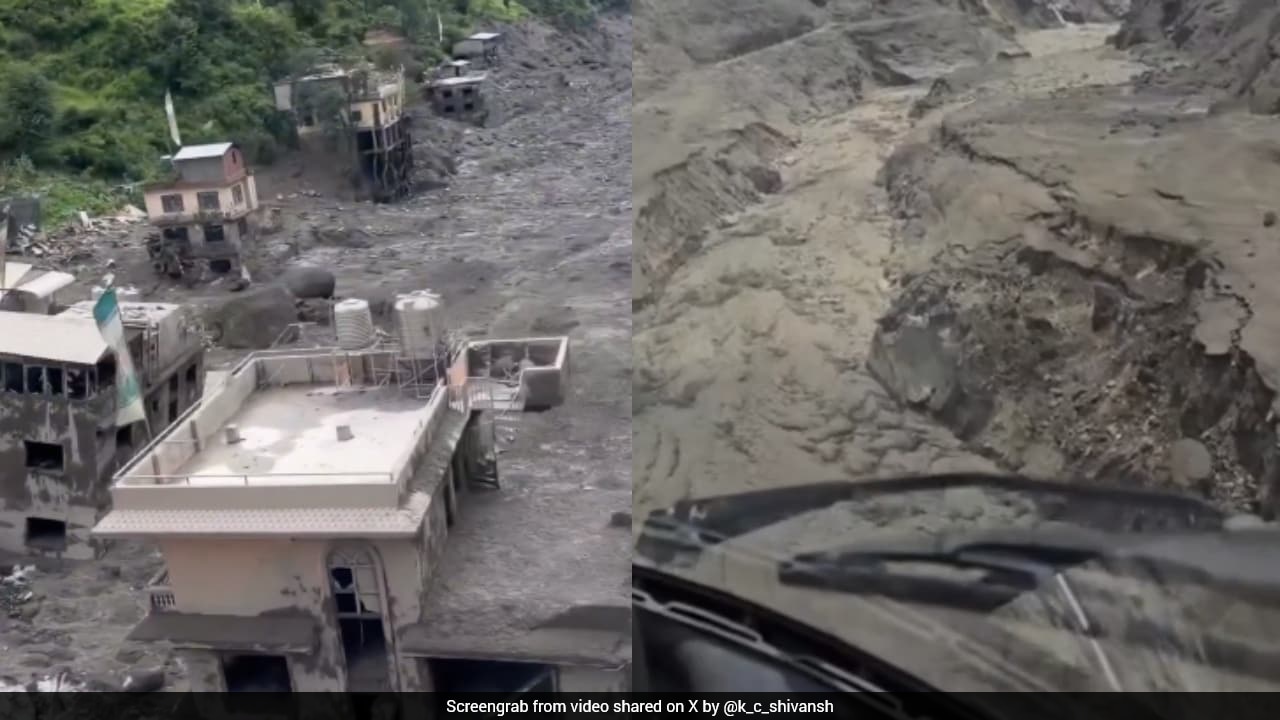
The scale of the destruction only becomes clear from the air, where entire mountain settlements along the Bhote Koshi and Trishuli river systems have been reduced to flat planes of gray sludge. Drone footage and rescue feeds from the Nepal-China border show a terrifying reality: multi-story buildings buried up to their second floors, highways snapped like dry twigs, and valleys that once supported bustling trading posts turned into sterile wastelands of rock and debris.
When a massive wall of ice, rock, and mud tore down the Lhende River, it did not merely cause a seasonal flood. It triggered a sudden, high-velocity displacement of earth that registered on seismic monitors as the equivalent of a moderate earthquake. For the communities downstream, the disaster arrived with almost zero warning, catching pilgrims, tourists, and local residents mid-day and sweeping away homes before occupants could reach higher ground.
The Anatomy of a Himalayan Catastrophe
Initial confusion pointed fingers toward tectonic shifts, but the United States Geological Survey and international geological teams soon corrected the record. The event was a catastrophic glacial rock and ice avalanche. As global temperatures steadily climb, the Hindu Kush Himalaya region is shedding its ice at an unprecedented pace. Glaciers that once provided stable structural anchors for high-altitude valleys are now rotting from the inside out, destabilized by thermal stress and heavy monsoon moisture.
When a massive section of the high-altitude slope gave way, it slammed into the river channel below. This created a temporary natural dam that pooled millions of gallons of water before violently breaching.
The resulting debris flow acted like a giant liquid bulldozer. Concrete structures, steel suspension bridges, and centuries-old settlement patterns were pulverized within seconds. This is not an isolated weather anomaly. It is part of an accelerating sequence of high-altitude disasters that catch regional authorities flat-footed year after year.
Why Traditional Early Warning Systems Are Failing
Engineers and risk analysts have spent decades installing river gauges and monsoon tracking stations across South Asia. Yet these systems are largely designed for traditional water-level swelling, not catastrophic debris flows triggered by sudden high-altitude avalanches.
When a mountain collapses directly into a narrow gorge, standard river sensors are often smashed to pieces before they can transmit an automated alert. Communication infrastructure fails instantly. Cell towers go dark, and mountain roads—already compromised by minor landslides—are choked off from rescue operations.
Rescuers attempting to reach zones like Rasuwa and Syapru Besi face insurmountable physical barriers. Helicopters are frequently grounded by volatile mountain weather and zero-visibility fog, leaving survivors stranded on isolated patches of mud for days. The reliance on reactive rescue missions rather than proactive, high-altitude hazard mapping continues to cost hundreds of lives during every major weather cycle.
The Looming Threat Downstream
While rescue operations focus on clearing mud from buried vehicles and searching for hundreds of still-missing individuals, a secondary crisis is quietly building further down the basin. Rivers clogged with millions of tons of sediment have dramatically raised bed levels.
This means that even moderate subsequent rainfall will now trigger overspills in areas that historically remained safe. Cross-border implications are severe. Authorities in downstream regions across neighboring borders have been forced into high alert as the sludge-heavy river systems push toward more densely populated lowlands.
Stagnant pools of water mixed with debris create an immediate breeding ground for waterborne pathogens. Medical teams face massive hurdles trying to deliver clean drinking water and prophylactic treatments to temporary camps where displaced families are crowded together.
The physical rescue is only the opening phase of a multi-year economic and humanitarian endurance test. Mountain communities do not just lose houses when a wall of ice collapses; they lose their arable topsoil, their local micro-economies, and the historical continuity of their villages. Until regional disaster management shifts its focus from post-disaster body recovery to high-altitude glacial monitoring and strategic valley relocation, the roof of the world will remain a zone of permanent, preventable emergency


