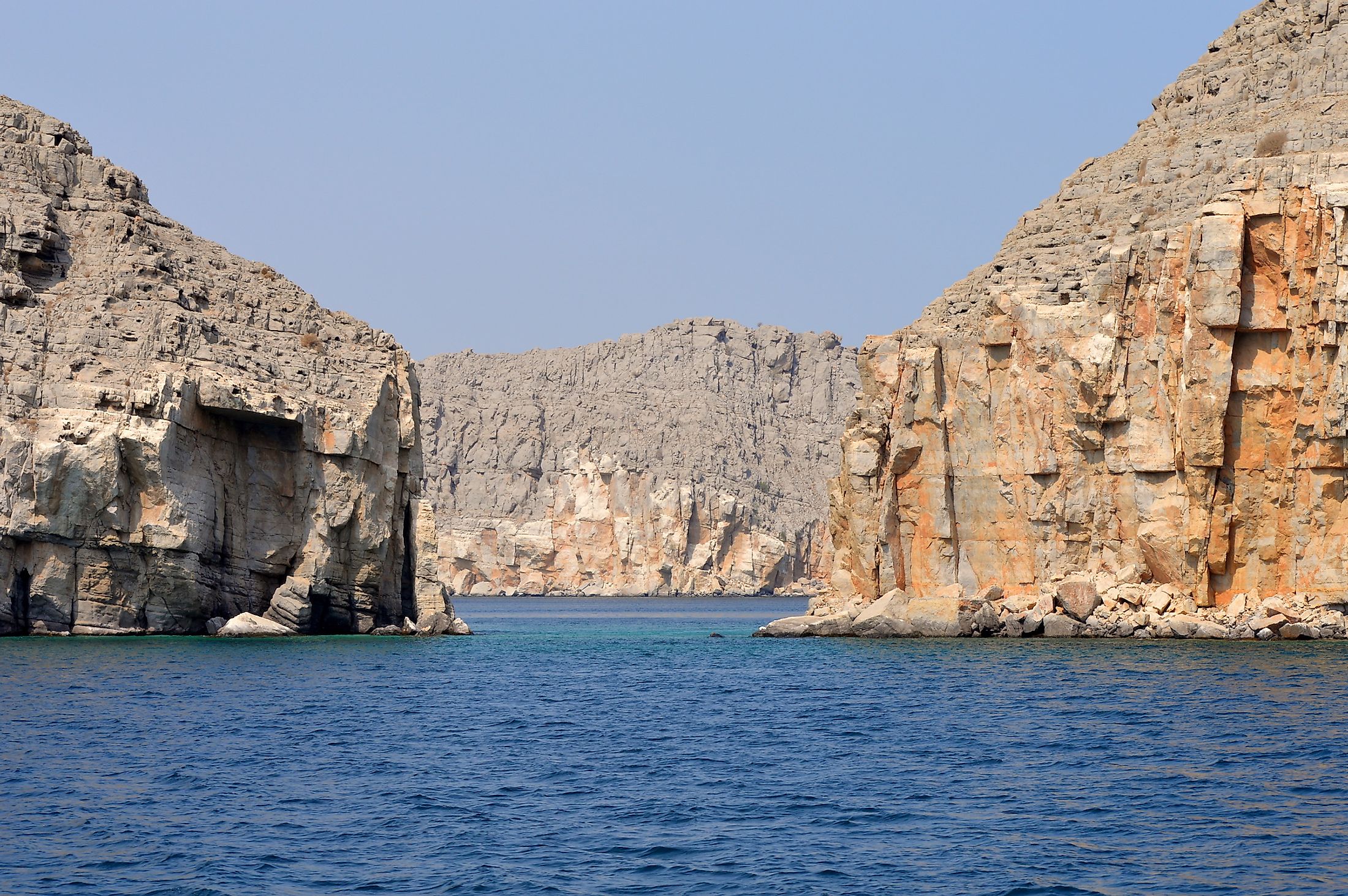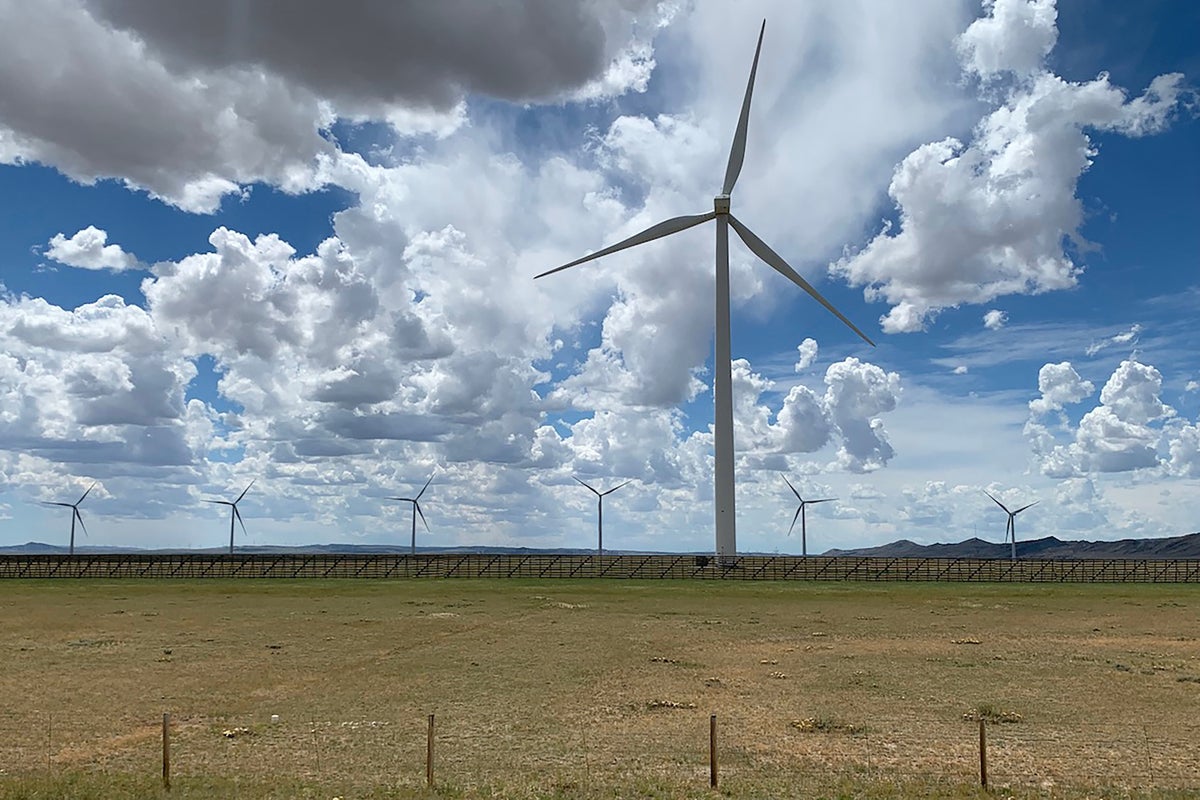
War in the Middle East used to mean a guaranteed global recession. Decades of history taught us that when the Strait of Hormuz is threatened, the price of crude oil spikes, gas lines form, and central banks scramble to contain the resulting inflation. But as conflict in the Persian Gulf escalates today, the expected economic shockwaves are hitting a wall. That wall is built from silicon and wind turbines.
Renewable energy has moved beyond its origins as an environmental project to become the single most effective tool for national security and price stability in the modern era. By decoupling power grids from the volatile price of imported fossil fuels, nations are effectively insulating their domestic economies from geopolitical blackmail. While oil remains a critical commodity, its ability to hold the global economy hostage is being systematically dismantled by the massive deployment of solar and wind capacity over the last five years.
The end of the petrostated stranglehold
Historically, energy security was a zero-sum game played with tankers and pipelines. If a major producer like Iran moved to block shipping lanes, the impact was immediate. Today, the math has changed. Every gigawatt of installed solar capacity functions as a domestic resource that requires no fuel, no logistics, and no protection from foreign navies.
The current resilience in global markets isn't an accident. It is the result of a structural shift in how power is generated. Since 2021, the world has added more renewable capacity than the entire power systems of many developed nations combined. This isn't just about "green" goals; it is about the raw math of energy independence. When the sun shines on a Spanish solar farm or the wind blows across the North Sea, that electricity replaces a unit of natural gas or oil that would have otherwise been purchased on a global market sensitive to every rocket launch in the Levant.
Why the 1970s playbook is failing
In 1973, the Arab oil embargo sent the world into a tailspin because there were no alternatives. Heating, transportation, and industrial power were all tethered to the same barrel. In the current crisis, we see a much more fragmented energy profile. Electric vehicle (EV) adoption, while still growing through its "awkward phase," has already begun to shave off the top layer of marginal oil demand.
More importantly, the industrial sector has begun to shift. In Europe, the 2022 energy crisis triggered by the invasion of Ukraine forced a permanent pivot. Heat pumps and industrial electrification mean that even if oil prices rise, the cost of keeping the lights on in a factory or a home is increasingly dictated by domestic renewable output rather than the whims of a regional hegemon.
The logic of the zero fuel cost
Traditional power plants are essentially conversion machines for commodities. You buy coal or gas, burn it, and get power. If the price of the input doubles, the price of the output must follow. Renewables operate on a different economic plane. Once the capital expenditure is cleared, the marginal cost of the next kilowatt-hour is effectively zero.
This creates a stabilizing effect on the broader economy. During periods of geopolitical tension, the volatility of the fossil fuel market is dampened by the steady, predictable flow of renewable energy. For a CFO or a national treasurer, this predictability is more valuable than the energy itself. It allows for long-term planning that was previously impossible when energy costs were a wild card.
The silent surge of battery storage
The primary criticism of renewables has always been intermittency. Critics argue that solar and wind cannot provide security because they "turn off" when the sun goes down or the air goes still. This argument is rapidly becoming obsolete due to the explosion of grid-scale battery storage.
In markets like California, Texas, and South Australia, battery arrays are now performing the "peaking" duties that used to belong exclusively to gas plants. By soaking up excess solar energy during the day and discharging it during evening peaks, these batteries prevent the need for "emergency" fossil fuel purchases during price spikes. They act as a buffer, a strategic reserve that doesn't require underground salt caverns or millions of barrels of physical oil.
The geopolitical fallout of energy autonomy
We are witnessing the slow-motion erosion of the "oil weapon." For half a century, the threat of closing the Strait of Hormuz was the nuclear option of Middle Eastern diplomacy. While it remains a serious threat to global shipping and specific industries like plastics and aviation, its power to bring the Western world to a standstill has been diluted.
This shift creates a new power dynamic. Nations that were once forced to overlook human rights abuses or aggressive territorial expansions for the sake of energy security now find they have more room to maneuver. Energy autonomy provides diplomatic leverage. When a country doesn't need to beg for oil, it can afford to have a spine.
The hidden risk of the transition
It would be a mistake to assume this path is without its own dangers. While we are moving away from dependency on Persian Gulf oil, we are moving toward a dependency on the critical minerals required for the energy transition. Lithium, cobalt, and rare earth elements are the new "crude."
The difference, however, is fundamental. If a lithium supply chain is disrupted, you cannot build new batteries. But the batteries you already have continue to work. If an oil supply chain is disrupted, the machines stop immediately. One is a threat to future growth; the other is a threat to current survival. This distinction is what is currently keeping the global economy afloat despite the chaos in the Middle East.
The decoupling of GDP and carbon
For the better part of the 20th century, GDP growth was locked in a 1:1 ratio with energy consumption and, by extension, oil imports. If you wanted a bigger economy, you needed more oil. That link has been broken in the world's largest economies.
Efficiency gains, combined with the electrification of everything, mean that developed nations are now producing more economic value per unit of energy than ever before. This "decoupling" is the secret weapon in the fight against inflation. When the price of oil jumps by 20% today, it doesn't translate to a 20% increase in the cost of doing business across the entire economy. It is a localized wound rather than a systemic infection.
The resilience of the decentralized grid
Centralized energy systems—massive coal or nuclear plants—are vulnerable targets in a conflict. They are "single points of failure." In contrast, a grid powered by thousands of distributed wind and solar installations is incredibly difficult to knock out.
From a defense perspective, this decentralization is a nightmare for an aggressor. You cannot disable a nation's power supply by hitting one or two key targets. This resilience adds another layer of security that goes beyond mere price stability. It is a form of civil defense built into the infrastructure of the 21st century.
The market has already decided
The most telling sign that solar and wind are the primary defense against regional wars isn't found in government white papers. It is found in the capital markets. Even as tensions rise, the long-term investment into fossil fuel infrastructure is being dwarfed by the flow of money into renewables and the electrification of transport.
Investors are not known for their altruism. They are moving toward renewables because the risk-adjusted returns are superior. In a world of increasing geopolitical instability, an asset that doesn't rely on a global supply chain to function is the ultimate "safe haven" investment.
The data confirms that the massive deployment of clean energy has created a shock absorber for the global economy. As the conflict in the Middle East continues to test the limits of international diplomacy, the lights stay on and the factories keep running, not because of a breakthrough in peace talks, but because we finally started building power plants that don't need a permission slip from a dictator to operate.
Stop looking at the price of Brent Crude as the sole indicator of global health. The real story is the millions of silent solar panels and spinning blades that have made that price less relevant with every passing day. The firewall is holding.
Energy security is no longer something you buy from your neighbor; it is something you build for yourself.