The closure of the Strait of Hormuz in March 2026 has transitioned from a tactical threat to a structural reality, forcing a total reconfiguration of global energy arbitrage. While traditional market analysis focuses on the 20% of global oil flow currently paralyzed by the Iran-US conflict, this perspective overlooks the sophisticated, non-linear supply chain that continues to bypass the blockade. The "Maximum Pressure" campaign re-initiated in 2025 has not eliminated Iranian exports; rather, it has catalyzed the professionalization of a "Shadow Infrastructure" that operates beyond the reach of conventional naval interdiction.
Understanding this resilience requires a move past geopolitical headlines toward a clinical evaluation of the three pillars of Iranian sanctions evasion: the aging "Ghost Fleet," the Ship-to-Ship (STS) arbitrage zones in Southeast Asia, and the financial decoupling of the "Teapot" refinery network.
The Ghost Fleet: A Cost-Benefit Function of Attrition
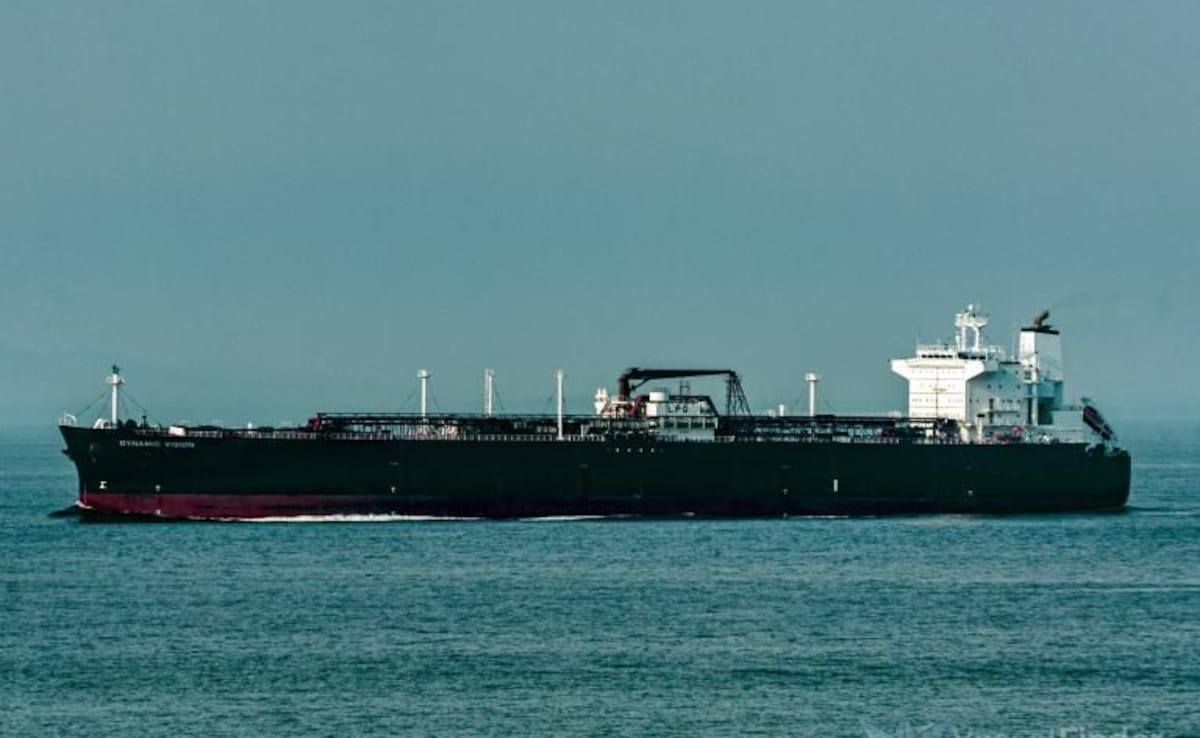
Iran’s maritime strategy relies on a fleet of approximately 450 to 500 vessels, predominantly VLCCs (Very Large Crude Carriers) and Suezmaxes with an average age of 22 years. These vessels operate under a high-risk, high-reward economic model defined by the Sanctions Evasion Premium (SEP).
The SEP is a structural discount—currently ranging from $9 to $15 per barrel—that Iran must offer to offset the operational risks incurred by buyers. This discount serves as a "tax" on Iranian sovereignty, resulting in an estimated annual revenue leakage of $16.7 billion. However, for the Iranian state, this is not a loss but a necessary operational expense to maintain a minimum export floor of 1.0 to 1.5 million barrels per day (bpd).
The fleet’s survivability is managed through three primary tactical maneuvers:
- Flag Hopping and Identity Obfuscation: Vessels frequently cycle through "flags of convenience" (e.g., Panama, Cook Islands, Gabon) to complicate legal seizure.
- AIS Manipulation: Known as "going dark," tankers disable their Automated Identification Systems or broadcast "spoofed" coordinates to simulate positions in safe waters while actually loading at Kharg Island.
- Mechanical Life Extension: Because these ships are nearing the end of their 25-year design life, they operate at reduced speeds to minimize engine stress, resulting in longer voyage durations (60–75 days) compared to the industry standard of 40–50 days for similar routes.
The Southeast Asian Arbitrage: The EOPL Buffer
As the Strait of Hormuz remains contested, the strategic center of gravity has shifted to the East Outer Port Limits (EOPL) off the coast of Malaysia. This "grey zone" acts as a massive floating warehouse, decoupling the point of production from the point of sale.
By February 2026, Iranian "oil-on-water" reached a record 190 million barrels—nearly 50 days of total production. This inventory buffer allows Tehran to sustain exports even when Kharg Island or the Strait is under direct kinetic threat. The EOPL functions as a high-density STS hub where "clean" vessels (those with no direct Iranian history) take on cargo from the "ghost" tankers.
This process transforms the oil's legal identity. Once blended or simply transferred, the crude is often re-documented as "Malaysian" or "Omani" blend before proceeding to Chinese ports. This logistical "laundering" creates a layer of plausible deniability for the receiving refineries, shielding them from the secondary sanctions triggered by the Trump administration’s 2025 executive orders.
Monopsony Risk and the "Teapot" Refinery Bottleneck
The effectiveness of the US "Maximum Pressure" strategy is limited by the emergence of a monopsony market. Since 2025, approximately 90% of Iranian crude has been absorbed by China, specifically by "Teapot" refineries—independent processors in Shandong province.
Unlike state-owned enterprises (SOEs) like Sinopec, which have global exposure and are vulnerable to US dollar-clearing sanctions, Teapots operate almost entirely within a domestic, RMB-denominated ecosystem. They utilize smaller, local banks that have zero connectivity to the SWIFT system, rendering traditional financial sanctions impotent.
However, this reliance on a single buyer creates a Geopolitical Monopsony Bottleneck:
- Price Discovery Failure: Iran cannot negotiate based on global benchmarks like Brent or WTI. It is a price-taker, forced to accept whatever terms the Teapots and their intermediaries dictate.
- Payment Illiquidity: Much of the "revenue" is not returned as liquid currency but as barter credits for Chinese industrial goods, technology, and military precursors (such as sodium perchlorate for solid rocket fuel).
- Infrastructure Decay: The lack of US dollar liquidity prevents Iran from purchasing the specialized Western parts required to maintain its aging fields. Mature Iranian fields like Ahvaz are experiencing natural decline rates of 5–7% annually. Without an infusion of $15–20 billion in capital—currently blocked by sanctions—Iranian production capacity will hit a hard ceiling regardless of how many tankers it can hide.
The Failure of Naval Interdiction in a Decentralized Market
The demand by the US administration for allies to send warships to the Strait of Hormuz ignores the fundamental shift in maritime insurance and risk. The "Tanker War of 2026" is not being fought between navies, but between insurance premiums and state-backed indemnities.
Traditional P&I (Protection and Indemnity) clubs have largely withdrawn coverage for any vessel transiting the Gulf. In response, Iran and Russia have begun providing sovereign guarantees to tankers. This creates a bifurcated maritime world: a "regulated" fleet that avoids the region and a "shadow" fleet that operates under state-level insurance umbrellas. Naval escorts are ineffective against drone swarms and smart mines because the mere existence of these threats keeps insurance rates high enough to deter legitimate commercial traffic.
Strategic Recommendation: Shifting from Interdiction to Infrastructure
The current strategy of "Operation Epic Fury" focuses on kinetic disruption of the Strait and sanctions on individual tankers. This is a high-cost, low-yield approach. To effectively degrade the Iranian oil apparatus, the focus must shift from the sea to the land-based financial and technical bottlenecks.
- Technical Denial: Rather than targeting tankers, the US and its allies should focus on the global supply chain for specialized oil-field services. Preventing the "leakage" of Siemens, Halliburton, or Schlumberger-style components through third-party intermediaries in Turkey or the UAE would accelerate the natural decline of Iranian reservoirs.
- Pressure on the Buffer: Diplomatic and economic pressure must be applied to the coastal states hosting STS "grey zones." Eliminating the ability to conduct STS transfers at the EOPL would force Iranian tankers to sail all the way to Chinese ports, doubling their exposure to detection and significantly increasing the "Shadow Fleet" cycle time.
- Alternative Supply Integration: To prevent global price shocks from undermining political support for the blockade, the US must finalize the integration of Venezuelan and Russian "sanction-waived" volumes to replace the 1.5 million bpd currently provided by the Iranian shadow network.
The conflict in the Strait of Hormuz is no longer a temporary disruption; it is the catalyst for a permanent, parallel energy economy. Success will not be measured by the number of tankers stopped, but by the speed at which the Iranian oil infrastructure enters a state of irreversible technical collapse.
Would you like me to analyze the specific impact of RMB-denominated trade on the effectiveness of the US Treasury’s secondary sanctions?