Crude oil crossing the $100 per barrel threshold during a Persian Gulf military conflict represents a structural shift in global energy supply chains, not merely a temporary price spike. The transmission mechanism from physical supply disruption to downstream retail fuel prices follows predictable economic, logistic, and financial vectors. Understanding these vectors requires decomposing crude pricing into three core components: physical margin risk, freight and maritime insurance premiums, and crack spreads across refining hubs.
When military engagement directly threatens Middle Eastern production infrastructure or maritime choke points, market participants immediately reprice physical risk across short-term futures contracts. The resulting backwardation in crude benchmark curves reflects acute immediate scarcity, forcing downstream refiners, distributors, and end-consumers to absorb compounding cost increases across every stage of the refined products supply chain. If you liked this piece, you should look at: this related article.
The Core Vectors of Geopolitical Oil Price Spikes
The mechanical rise of Brent and West Texas Intermediate (WTI) crude past $100 per barrel during armed conflicts involving major producing nations like Iran is driven by three distinct structural forces.
1. Physical Supply Risk and Maritime Bottlenecks
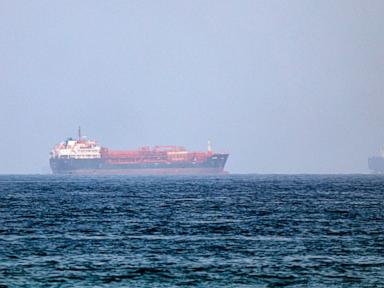
The Persian Gulf accounts for roughly twenty percent of daily global petroleum liquids production. A primary operational vulnerability in this supply chain is the Strait of Hormuz, a narrow waterway handling approximately 20 million barrels per day of crude and refined petroleum products. For another perspective on this development, check out the recent coverage from Forbes.
Physical supply interruptions manifest through two distinct channels:
- Direct Loss of Production Capacity: Attacks on upstream oil fields, gas processing plants, and export terminals remove physical volume from the market, reducing global spare capacity.
- Chokepoint Closure and Diversion Costs: Tankers avoiding high-risk transit zones must re-route around longer alternative ocean corridors. This extends transit duration, effectively locking up global maritime fleet capacity and raising voyage costs even when raw crude supplies remain intact.
2. War Risk Insurance and Logistics Premium Escalation
Physical oil trading relies on maritime insurance markets to underwrite hull, machinery, and cargo protection. The declaration of an active conflict zone instantly triggers War Risk Insurance premiums.
- Cargo Insurance Surcharges: Underwriters levy additional premium surcharges on the total insured value of crude shipments passing through designated high-risk waters. On a supertanker carrying two million barrels of crude valued at $100 per barrel ($200 million cargo value), a surcharge increase from 0.05% to 0.5% adds $900,000 in immediate voyage overhead, or $0.45 per barrel.
- Freight Rate Inflation: Tanker charter rates surge as shipowners demand risk compensation to operate in hostile waters. High daily charter rates directly expand the landed cost of crude at destination refineries, raising the baseline input cost before refining begins.
3. Financial Market Hedging and Speculative Backwardation
Crude price formation occurs primarily in derivative markets, specifically ICE Brent and NYMEX WTI futures contracts. During supply shocks, commercial hedgers and non-commercial financial traders react simultaneously.
Commercial entities, including airline operators, industrial fleets, and fuel distributors, enter long positions to lock in future fuel supplies and protect against unbounded price spikes. Simultaneously, non-commercial momentum traders clear existing short positions and establish long positions. This surge in buyer demand shifts the futures curve into deep backwardation, where spot and near-dated contracts trade at a premium relative to longer-dated contracts. Deep backwardation penalizes physical storage hoarding and incentivizes immediate refinery processing, pushing higher raw material costs into current retail distribution channels.
The Downstream Transmission Mechanism to Retail Fuel Prices
Retail gasoline and diesel prices do not track crude oil prices on a simple one-to-one basis. A $10 per barrel increase in crude oil translates directly to roughly $0.24 per gallon of raw input cost, but retail prices routinely exceed this baseline increase due to refined product crack spreads and distribution economics.
Crack Spreads and Refining Capacity Constraints
A crack spread measures the margin between the purchase price of crude oil and the market value of the refined products produced from it (typically gasoline and distillate fuels like diesel and jet fuel).
When crude prices surge due to geopolitical conflict, refining margins frequently expand rather than contract due to operational bottlenecks:
- Distillate Vulnerability: Military operations consume substantial volumes of diesel and aviation fuel. Increased demand for defense logistics compresses available commercial distillate supplies, widening the diesel crack spread relative to gasoline.
- Refinery Feedstock Shifts: Disruption of specific crude grades forces refineries to reconfigure processing units. Heavier or more sulfurous alternative crude blends reduce yield efficiency, raising per-unit processing expenses.
Retail Pricing Asymmetry: Rocket-and-Feather Effect
Retail fuel markets display asymmetric price transmission, commonly termed the "rocket-and-feather" phenomenon. Retail stations raise prices almost instantaneously when crude or wholesale rack prices increase ("rockets"), yet lower prices slowly when crude markets pull back ("feathers").
This asymmetric behavior stems from explicit financial factors:
- Replacement Cost Pricing: Retail fuel operators price current inventory based on the estimated replacement cost of their next fuel delivery rather than the historical purchase price of the fuel currently in their underground storage tanks.
- Local Competitive Dynamics: During periods of extreme price volatility, station owners face high uncertainty regarding immediate future wholesale wholesale rates, leading them to maintain higher margins briefly to buffer against sudden wholesale spikes.
Strategic Mitigation Framework for Energy Consumers and Corporate Operators
Managing energy price volatility during regional conflicts requires structured operational and financial hedging strategies rather than reactive purchasing.
1. Financial Hedging Strategy
Entities with high direct fuel exposure must deploy structured derivative overlays rather than relying on unhedged spot procurement.
- Costless Collar Options: Combine the purchase of an out-of-the-money call option with the sale of an out-of-the-money put option. This structure caps maximum fuel procurement costs during runaway market spikes while establishing a floor on minimum fuel expenses, eliminating upfront option premium outlays.
- Crack Spread Swaps: For fleets reliant on diesel or specialized fuels, hedging crude oil alone leaves residual risk. Purchasing specific product crack spread swaps isolates and hedges the refining margin differential between raw crude and finished fuel.
2. Operational Efficiency and Fleet Optimization
- Dynamic Freight Optimization: Consolidate logistics routing and reduce partial-load transport cycles to directly lower total volumetric fuel burn.
- Inventory Buffer Management: Maintain strategic operational reserves at key distribution hubs prior to seasonal demand peaks or known geopolitical tension cycles, mitigating reliance on emergency spot market procurement during price shocks.
Structural Implications for Global Monetary Policy
Crude oil sustained above $100 per barrel creates immediate inflationary headwinds for central banks. Energy inputs directly enter headline inflation figures and indirectly permeate baseline core inflation via supply transportation, agriculture, industrial chemical manufacturing, and power generation.
Persistent elevated energy prices restrict central banks from enacting monetary easing during periods of slowing macroeconomic growth. Higher fuel expenditures function as a regressive consumption tax on households, reducing discretionary spending capacity while simultaneously elevating operational expenditure burdens across non-energy corporate sectors.
The ultimate duration of energy price surges depends on the resolution speed of maritime transport risks, the availability of global strategic petroleum reserves, and spare production capacity deployment among unimpacted energy-exporting nations.