Stop Treating the Underworld Like a Horror Movie
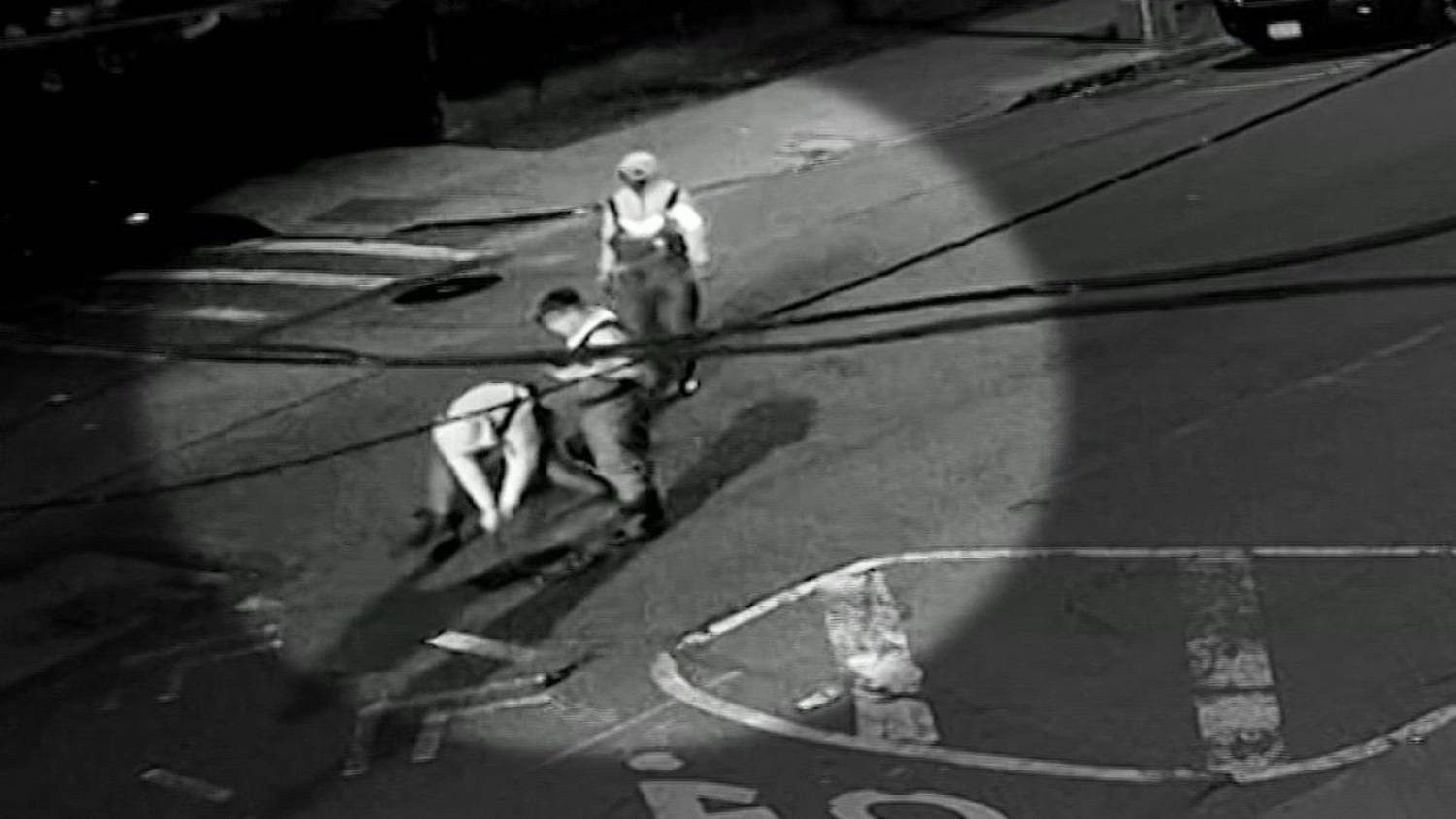
New York City officials are currently clutching their pearls because a few "mystery men" climbed out of a manhole. The headlines scream "extremely dangerous" and "terror threats," painting a picture of a city under siege by mole people or high-stakes saboteurs. This reaction isn't just dramatic; it is a fundamental misunderstanding of how modern cities actually function.
We have reached a point where any activity happening outside of a designated glass-and-steel lobby is viewed as a criminal anomaly. The truth is far more boring, and simultaneously, far more concerning for the city’s aging infrastructure. The "danger" isn't the people coming out of the holes; it's the fact that the city has no idea who is supposed to be there in the first place.
If you see someone in high-visibility gear emerging from a manhole, the "lazy consensus" tells you to call 911. My experience auditing industrial security tells me you should be asking why the Department of Environmental Protection (DEP) or Con Edison doesn't have a digital log of that entry.
The Myth of the Impenetrable City
The narrative pushed by the NYPD and city hall is that the sewer system is a secure, off-limits vault. It isn't. It’s a 7,500-mile labyrinth of brick, concrete, and cast iron, much of it dating back to the 19th century.
Urban explorers, freelance contractors, and even "off-the-books" utility workers have been navigating these tunnels for decades. The outrage over "mystery men" is a performance of security theater. City officials want you to feel safe by suggesting they have a handle on every square inch of the subterranean grid. They don't. They can barely manage the leaks and fatbergs, let alone track human movement.
The real risk in these tunnels isn't "mystery men" planting devices. The risk is a physics problem:
- Atmospheric Hazards: Hydrogen sulfide and methane don't care about your trespassing permit.
- Flash Flooding: A heavy rain in Queens can turn a dry pipe into a pressurized death trap in under three minutes.
- Structural Decay: Concrete spalling and rusted rungs are the real killers.
By focusing on the "mystery" of the intruders, the city avoids discussing the catastrophic lack of sensors and automated monitoring across the network. If a manhole cover is moved, an alert should trigger. In 2026, the fact that we rely on "neighbor reports" to find out someone was in the sewers is a technological embarrassment.
Why We Need the Underground Tech Class
There is a growing subculture of hobbyists and independent researchers who know the city’s layout better than the bureaucrats tasked with managing it. While the media calls them "trespassers," I’ve seen these individuals map out vulnerabilities that the city’s own GIS (Geographic Information Systems) teams missed.
Let’s look at the logic. If these individuals were actual threats, they wouldn't be popping out of manholes in broad daylight in front of witnesses. They are likely "urban explorers" or independent contractors working for subcontractors who are cutting corners on paperwork.
The city’s response? Scare tactics. They warn of "deadly gases" and "high voltage." Yes, those exist. But instead of criminalizing the curiosity or the unofficial maintenance, the city should be looking at why their "secure" infrastructure is a sieve.
The Cost of Ignorance
When the city panics, it spends money.
- Increased Patrols: Tactical units standing around holes they don't understand.
- Emergency Inspections: Rushed jobs that check for "suspicious items" while ignoring the actual structural cracks.
- Legal Fees: Prosecuting people for essentially walking through a basement the city forgot it owned.
I have spent years looking at "hardened" assets. The most dangerous thing you can do is pretend a vulnerability doesn't exist. By painting these intruders as "extremely dangerous," the city creates a "boogeyman" that distracts from the $100 billion backlog in water and sewer repairs. It’s easier to catch a guy in a tunnel than it is to replace a main from 1890.
The Real Security Breach is Analog
The competitor's article wants you to look for "suspicious behavior." I want you to look for a lack of data.
In any properly managed industrial environment, a manhole is a "confined space." Access requires a permit, a gas meter, and a spotter. If these "mystery men" had none of those, they weren't just "dangerous"—they were lucky. But the city's inability to distinguish between a bored teenager with a GoPro and a legitimate threat shows that our "smart city" is actually quite dim.
Imagine a scenario where every manhole cover is equipped with a simple IoT (Internet of Things) tilt sensor. The cost would be a fraction of the overtime pay currently being funneled into "increased surveillance" by the NYPD. We don't need more "eyes on the street"; we need more sensors in the ground.
The "Mole People" Distraction
Every few years, the media rehashes the "dangers of the sewers" to keep the public away from the reality of urban decay. We are told the tunnels are a lawless wasteland. This keeps the public from asking why we aren't using the massive subterranean space for better utility routing or automated waste management.
Instead of seeing the underground as a resource or a managed utility, we see it as a dark hole where monsters live. This prevents innovation. While cities like Singapore or Tokyo are building massive, accessible multi-utility tunnels, New York is still treating a manhole like a trapdoor in a haunted house.
The Breakdown of Control
- The Bureaucracy Gap: The DEP handles water. Con Ed handles power. Verizon handles fiber. The NYPD handles "crime." None of them talk to each other about who is in the hole.
- The Contractor Chaos: NYC relies on a web of subcontractors. Half the time, the "mystery men" are actually working, but their paperwork is sitting on a desk in a trailer three miles away.
- The Public Paranoia: We have been conditioned to see "unknown" as "lethal."
The "mystery men" didn't break the system. They just proved it was already broken. They walked through the front door because there is no door—just a heavy iron lid that anyone with a crowbar and a little bit of muscle can move.
Your Safety is a Statistic, Not a Headline
If you are worried about the "dangerous" men in the sewers, you are worrying about the wrong thing. You are statistically more likely to be injured by a falling piece of facade from a "luxury" skyscraper than by anything emerging from a manhole.
The city wants you focused on the mystery because the reality—that they have lost physical and digital control over the most basic utility access points—is far more damning. They aren't "warning" you for your safety; they are covering their tracks because they got caught off guard by a couple of guys with a flashlight.
The next time you see a headline about "deadly" sewers, remember that the most dangerous thing in this city isn't the methane or the mystery men. It’s the refusal to modernize the 19th-century mindset that still runs the 21st-century tunnels.
Stop looking for monsters and start looking for the missing sensors.