Don't believe the hype about "protected corridors" or "safe passage" just yet. Arsenio Dominguez, the head of the International Maritime Organization (IMO), just dropped a heavy dose of reality on the global shipping industry. He’s warning that even with high-tech warships flanking commercial tankers, there’s zero guarantee of safety in the Strait of Hormuz right now.
It’s a blunt admission. For weeks, the narrative from some political corners has been that a beefed-up naval presence could "muscle" the strait back into operation. Dominguez isn't buying it. He’s essentially telling shipowners that a military escort is a band-aid on a gunshot wound—not a long-term fix for a waterway that’s effectively become a shooting gallery.
The Illusion of 100 Percent Security
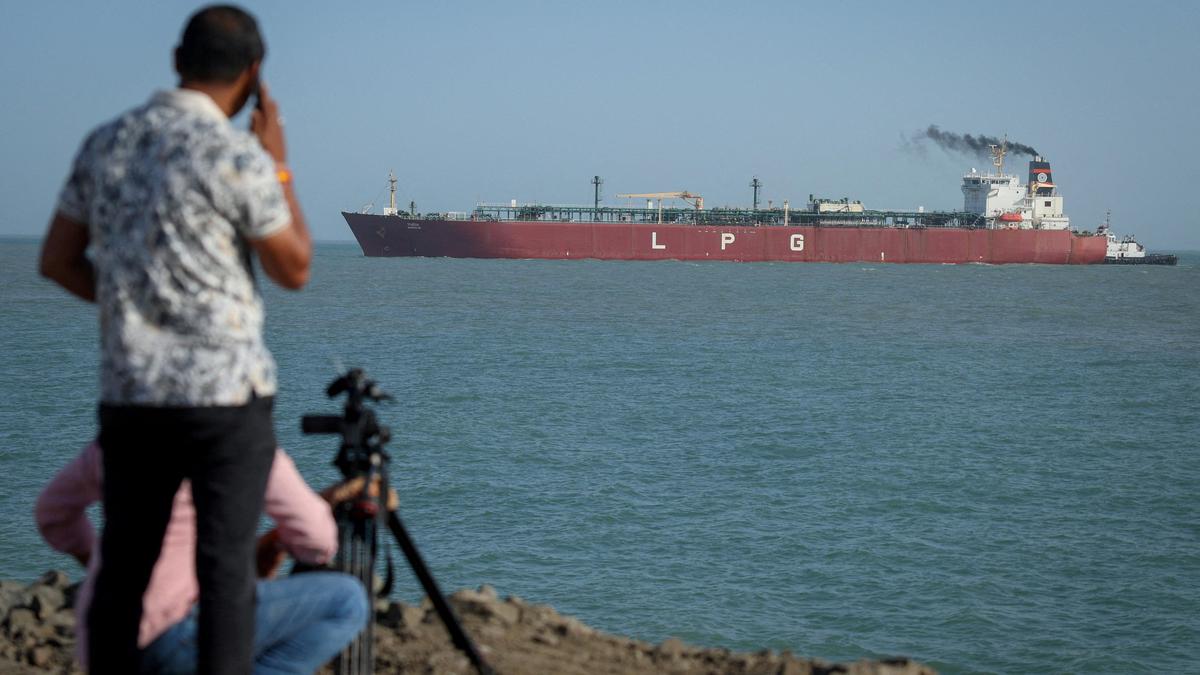
The numbers coming out of the Gulf are grim. Since late February 2026, we’ve seen a 90% drop in tanker traffic. It doesn't matter how much firepower the U.S. or its allies park in the region; the risk math just doesn't add up for most operators. Dominguez points out that naval escorts can’t offer a "100 percent guarantee." If you’re a captain responsible for twenty lives and a quarter-billion dollars in cargo, "mostly safe" isn't good enough.
We aren't just talking about traditional ship-to-ship combat. The threat profile has shifted. Iran and its proxies are using:
- Low-cost suicide drones (USVs and UAVs) that can swarm a target.
- Sea mines that "sanitize" entire shipping lanes.
- GPS jamming that turns sophisticated navigation into guesswork.
- Kinetic strikes from coastal batteries that even the best Aegis system might miss in a crowded channel.
The IMO chief’s stance is clear: shipping is "collateral damage" in a geopolitical fight it didn't start. When the root causes are this deep, a destroyer sitting 500 yards off your starboard bow is just a bigger target, not a magic shield.
Why the U.S. Navy is Hesitating
Here’s the part the "send in the fleet" crowd misses. Reports indicate the U.S. Navy has actually been turning down daily escort requests. Why? Because the risk of escalation is too high. If a U.S. destroyer engages an Iranian fast boat to protect a commercial tanker, we aren't just talking about a maritime incident anymore. We're talking about a full-scale regional war.
The White House is dangling "political risk insurance" to get ships moving, but the maritime industry is voting with its rudders. You can’t insure against a missile through the hull when the crew is terrified. Over 20,000 seafarers are currently stranded in the Persian Gulf, dealing with extreme mental strain and dwindling supplies. Dominguez has been vocal about this human cost, calling the situation "unacceptable and unsustainable."
The Shadow Fleet and Dark Transits
While major players like Maersk and COSCO have suspended bookings, a "shadow fleet" is still trying to run the gauntlet. These are often older, poorly maintained vessels that have "gone dark"—turning off their Automatic Identification System (AIS) signals to avoid detection.
This makes the Strait of Hormuz even more dangerous. You’ve got warships, commercial tankers, and "dark" ships all squeezed into a 21-mile-wide chokepoint while GPS signals are being jammed. It’s a recipe for a catastrophic collision or a misidentification that triggers a military strike. The IMO is urging everyone to rely only on verified, authoritative data, but in a war zone, "verified" is a luxury.
Market Ripples You Can Already Feel
If you think this is just a "shipping problem," look at your local energy prices.
- Brent Crude: Spiked past $100 for the first time in years.
- Natural Gas: European gas prices jumped 60% in ten days.
- Bunker Fuel: The cost to fuel the ships themselves has doubled since February.
The "smart control" being exercised over the strait—where some ships are allowed through while others are targeted—is keeping the global economy on a knife's edge. It’s selective blockade as a form of economic warfare.
What Shipowners Should Do Now
The IMO Council is meeting in London this week for an extraordinary session. Expect a lot of "strongly worded" statements, but don't expect a naval armada to clear the way by Friday. If you’re involved in maritime logistics or regional trade, here’s the reality you need to navigate.
Don't wait for a "safe" signal that isn't coming. Most operators are already diverting around the Cape of Good Hope. It adds weeks to the journey and millions in fuel costs, but it's better than losing a ship. Treat the Strait of Hormuz as effectively closed until a diplomatic de-escalation occurs.
Check your War Risk Insurance clauses immediately. Many providers have already pulled coverage for the Gulf. If you’re still planning a transit, you’re likely operating without a net. Follow the guidance from the UK Maritime Trade Operations (UKMTO) and keep a minimum of 30 nautical miles clear of any naval units to avoid being caught in the crossfire of a "misidentification" incident. The goal right now isn't "business as usual"—it's keeping your crew alive.