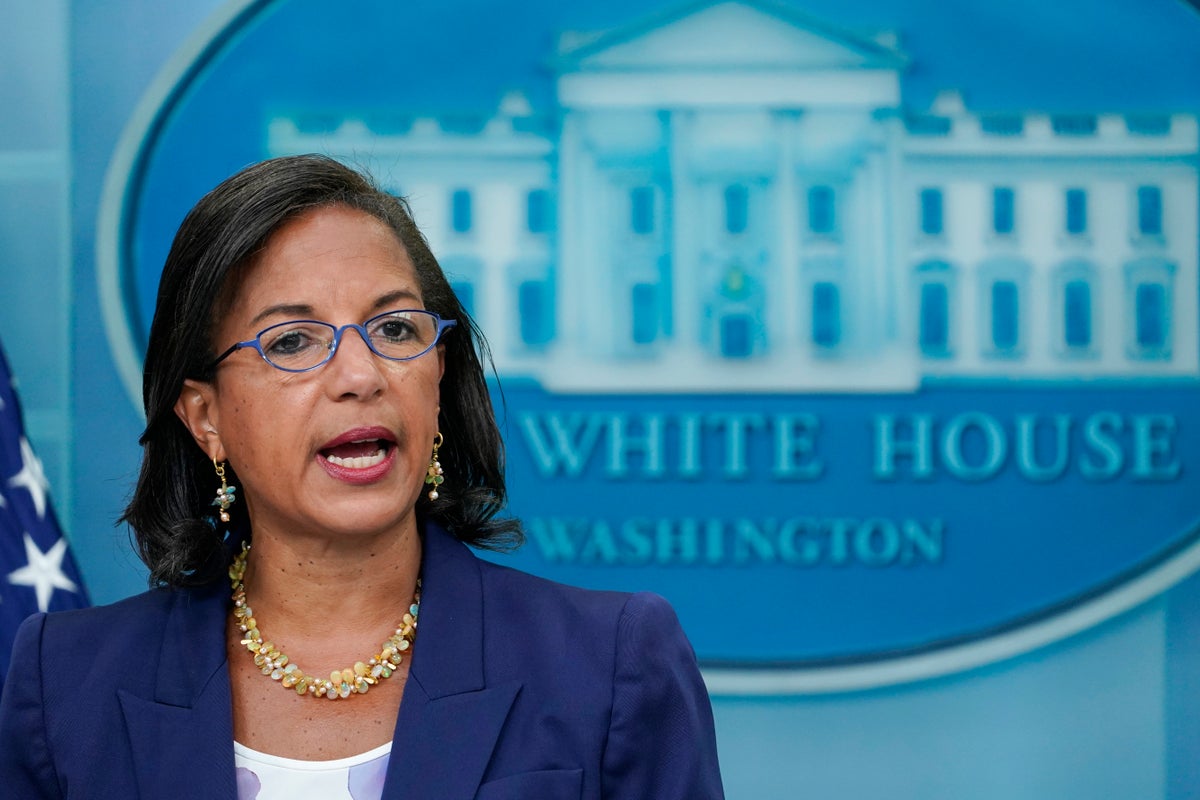
Donald Trump wants Susan Rice off the Netflix board. Reed Hastings says no. The media frames this as a high-stakes battle for the soul of Hollywood or a litmus test for free speech. Both sides are wrong.
The pundits are stuck in a 20th-century mindset where a board seat is a reward for political loyalty or a signal of editorial bias. It isn’t. In the modern streaming wars, a figure like Susan Rice isn't a "content advisor"—she is a high-priced insurance policy against sovereign risk. If you think Netflix added a former National Security Advisor to help greenlight documentaries, you don't understand how global distribution works.
The Boardroom is Not a Writers Room
The "lazy consensus" suggests that Rice’s presence on the board directly influences what shows up in your "Recommended for You" rail. This is a fundamental misunderstanding of corporate governance. Boards don't pick scripts; they manage risk, oversee capital allocation, and provide "connectivity."
Netflix is no longer a California tech company. It is a global utility. When you operate in 190 countries, your biggest threats aren't competing streaming services—they are foreign regulators, tax authorities, and geopolitical shifts. You don't hire a diplomat to talk about cinematography. You hire them because they know how to navigate the corridors of power in DC, Brussels, and Riyadh.
The Myth of Neutrality in a Polarized Market
Critics argue that Netflix should be "neutral" to avoid alienating half their audience. This sounds logical on paper but fails in practice. In the current attention economy, neutrality is a death sentence. It’s bland. It’s invisible.
More importantly, true neutrality is a mathematical impossibility for a global platform. What is considered "neutral" in Los Angeles is "radical" in Istanbul and "illegal" in Singapore. By keeping Rice, Netflix isn't taking a stand for "liberal values"; they are protecting the institutional stability of their leadership. Swapping board members every time a politician tweets would signal a level of fragility that would terrify institutional investors.
Imagine a scenario where a CEO fires a board member at the literal request of the sitting President. The stock would crater—not because of the politics, but because it would prove the company has zero structural independence. Hastings isn't being a hero; he’s being a fiduciary.
Why the Removal Call is a Gift to Netflix
Every time a politician attacks a brand for being "woke" or "biased," they provide that brand with millions of dollars in free earned media. For Netflix, the Trump-Rice feud is a marketing goldmine.
- Brand Definiton: It cements Netflix as the "edgy" alternative to the more sterilized Disney+.
- Talent Acquisition: Top-tier creators want to work where they believe the "suits" will have their backs against political pressure.
- User Engagement: Controversy drives clicks. People watch "The Diplomat" or "Becoming" not just for the content, but to participate in the cultural conversation.
The Real Power Play: Sovereign Risk Management
Let’s talk about what actually happens in those board meetings. They aren't debating the plot points of Stranger Things. They are discussing tax treaties in the EU, data privacy laws in India, and the implications of trade wars on server costs.
Rice understands the mechanics of the state. She understands how to navigate the "deep state" structures that actually regulate the internet. For Netflix, her value lies in her Rolodex and her ability to forecast how geopolitical instability will impact their bottom line.
If you want to criticize the appointment, don't talk about her politics. Talk about the "revolving door" between the White House and Big Tech. That is the real issue. It’s not about ideology; it’s about the consolidation of power.
The Fallacy of the "Political" Board
Stop asking if a board member is "too political." Start asking if they are too connected to be objective.
The danger isn't that Rice will turn Netflix into a propaganda machine. The danger is that Netflix, and companies like it, become so intertwined with the political establishment that they become immune to actual regulation. They aren't "fighting the system"—they are hiring the system.
The Brutal Truth for Consumers
If you’re threatening to cancel your subscription because of Susan Rice, you’re missing the point. You are a data point in an A/B test. Netflix has already calculated the churn rate of offended viewers versus the long-term value of institutional stability. They know the numbers. They know most people who scream "Cancel Netflix" on social media will be back for the next season of their favorite show within six weeks.
The "outrage" is a feature, not a bug. It’s part of the product.
Stop Looking at the Surface
The competitor article wants you to care about the "feud." I want you to look at the balance sheet. Netflix is a company that carries massive debt and needs constant global expansion to survive. They don't have the luxury of making decisions based on feelings or tweets.
They kept Rice because she is a tactical asset in a world where the lines between "tech" and "state" have blurred into a single, messy entity. Every other explanation is just theater for the masses.
Keep your eyes on the lobbyists, not the board members.
If you think this is about Susan Rice, you're watching the wrong show.