The clock is ticking louder than ever. If you are relying on Social Security for your retirement, or plan to in the next decade, you need to pay attention to what just happened in Washington. A group of bipartisan senators introduced legislation to avert the looming Social Security shortfall.
They call it the PROMISE Act. It stands for Protecting Retirement Opportunities and Maintaining Income Security for Everyone.
Let's cut through the usual political spin. This isn't just another dry bill destined to gather dust in a committee drawer. The math behind the program has turned brutal, and lawmakers on both sides of the aisle are finally realizing they can't run from the numbers anymore.
The Reality of the 2032 Cliff
The system is running out of time. According to the latest Social Security Board of Trustees annual report, the retirement trust fund is projected to run dry by 2032. That is a year earlier than previous estimates.
What happens if we hit that wall? It's not a complete collapse, but it is still disastrous. If the trust fund empties, the system can only pay out what it collects in payroll taxes. That means an automatic, across-the-board 22% cut to monthly benefits for everyone.
Average Monthly Benefit: $2,071
Estimated Cut (22%):     -$450
New Monthly Benefit:     $1,621
For the average retiree getting $2,071 a month, that is a loss of roughly $450 every single month. For over three million seniors, a sudden cut of that size would instantly push them below the poverty line.
This isn't a hypothetical problem for future generations. It is a crisis landing in six years. If you are 61 today, this hits right when you turn 67.
How the PROMISE Act Forces Congress to Do Its Job
For forty years, Congress has ignored this mess. Why? Because the fixes are deeply unpopular. You either have to raise taxes, cut benefits, or raise the retirement age. None of those options help politicians get re-elected.
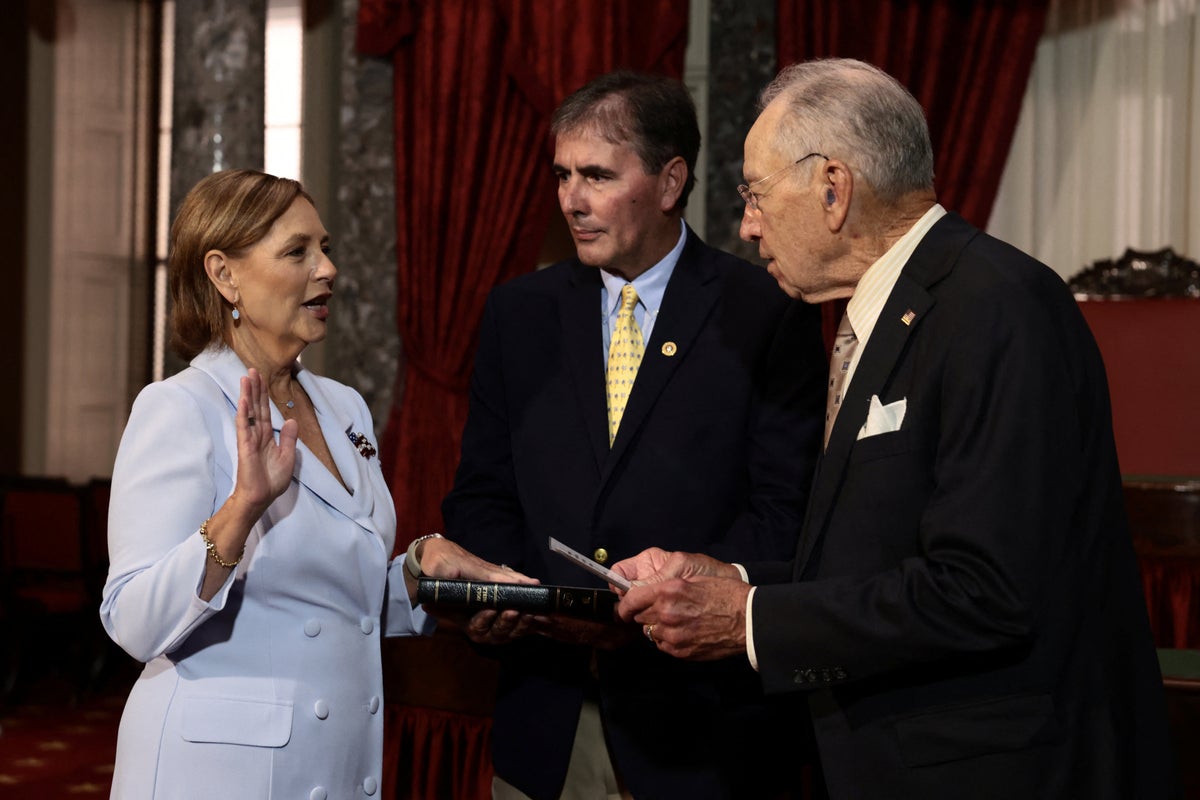
The PROMISE Act, introduced by Senators Dick Durbin, Tim Kaine, Bill Cassidy, Thom Tillis, and Angus King, tries to bypass this political cowardice.
Instead of proposing specific tax hikes or benefit cuts right now, the bill sets up a strict procedural trap to force a vote. Here is exactly how it works.
The Independent Advisory Board Drafts the Bill
The legislation hands the pen to the Social Security Advisory Board, an independent, bipartisan seven-member group. They are tasked with drafting a plan that guarantees the trust funds stay solvent for at least 50 years.
Fast-Tracked to the Floor
Once the board writes the plan, congressional leaders must introduce it. If they don't, any member of Congress can force its introduction. The house and senate committees get a chance to hold hearings and offer amendments, but they cannot stall it forever.
The Up-or-Down Vote
The bill guarantees the proposal gets a final vote on the floor. It limits debate time to 100 hours to prevent filibusters. To pass, it needs a three-fifths majority in the Senate and a simple majority in the House.
This setup is crucial. It means lawmakers cannot just bury the proposal in a subcommittee and pretend it doesn't exist. They will have to go on the record and vote.
Why the Math Keeps Getting Worse
The structural issues dragging down Social Security are simple demographic shifts. We have an aging population and a shrinking workforce.
In 1960, five workers paid taxes into the system for every single retiree drawing benefits. Today, that ratio has fallen to 3-to-1. It is heading even lower. People are living longer, meaning they draw benefits for more years than early generations ever did.
Compounding the problem are declining birth rates and shifts in immigration policy. On top of that, the payroll tax cap is letting more high-income earnings escape the system.
In 2026, the maximum amount of wages subject to the Social Security payroll tax is $184,500. Any dollar earned above that limit is completely exempt from the tax. Back in 1983, about 90% of all national earnings fell under the tax cap. Today, that number has slipped to around 83%.
The Real Battle Lines in Washington
While the PROMISE Act sets up the machinery to force a vote, it doesn't solve the core ideological divide. Everyone agrees the program needs money. No one agrees on where to get it.
Democrats generally want to raise the payroll tax cap. Senators Elizabeth Warren and Bernie Moreno recently argued for raising or completely removing the $184,500 limit. They point out that high earners stop contributing to the system early in the year, while middle-class workers pay on 100% of their income.
Republicans are highly skeptical of tax increases. Many argue that raising taxes will hurt economic growth. Instead, some conservative groups and lawmakers have proposed gradually raising the retirement age to match rising life expectancies.
The last major reform happened in 1983 under a commission led by Alan Greenspan. That deal raised the eligibility age from 65 to 67. We are now seeing a repeat of that exact same political standoff, only with a much shorter deadline.
What You Can Actually Do Right Now
Do not assume the government will fix this in time. You need to build a retirement plan that assumes some level of volatility.
First, go to the official Social Security website and download your latest statement. Check your projected monthly benefit.
Second, run a stress-test calculation on your retirement budget. Create a scenario where your projected benefit is reduced by 15% to 20%. See if your private savings, 401(k), or IRA can absorb that blow. If they can't, you need to adjust your savings rate immediately.
Third, pay close attention to the progress of the PROMISE Act and similar efforts like the Bipartisan Social Security Commission Act in the House. These procedural bills are the only realistic vehicles that will drag lawmakers to the negotiating table before the 2032 deadline hits. Let your representatives know you are watching how they vote on these frameworks.