Why did Nintendo just spend the last three years building a movie studio and opening theme parks? It’s not because they’re bored of making Mario jump. They’re solving a problem that has killed every other gaming giant at some point: the "console cycle death spiral."
Usually, when a console gets old, sales drop, and the company panics. But Nintendo isn't panicking. They’ve spent the transition to the Nintendo Switch 2 turning their brand into a lifestyle. If you've seen a movie, visited a park, or bought a LEGO set lately, you’ve already been sold a Switch 2—you just didn't know it yet.
The Movie Theater as a Retail Funnel
Nintendo isn't just "making movies" for the box office cash. They’re using the big screen to fix their biggest historical weakness: reaching the people who don't follow gaming blogs.
When the first Mario movie cleared $1.3 billion, it didn't just pad the bank account. It acted as a massive, world-wide commercial for the hardware. With The Super Mario Galaxy Movie hitting theaters on April 1, 2026, and the live-action Zelda film in the works, Nintendo is creating a permanent loop.
- See the movie: Kids get obsessed with the characters.
- Visit the park: Families spend $500 at Universal Studios to punch a real-life Question Block.
- Buy the game: The only way to take that experience home is a Nintendo console.
By the time the Switch 2 launched on June 5, 2025, the demand wasn't just coming from "core gamers." It was coming from every kid who wanted to play as the Mario they saw in the theater. It's a closed loop that Disney would envy.
Why the Switch 2 Hardware Strategy Worked
The numbers don't lie. Nintendo reported a 99.3% increase in net sales for the period ending December 31, 2025. That’s a staggering jump, even for a new console year. They sold 17.37 million Switch 2 units in just seven months.
The secret wasn't just fancy specs like 4K resolution when docked or the 12GB of RAM. It was the decision to make the console backward compatible with both digital and physical games. This killed the "fear of starting over" that usually stops people from upgrading.
The Power of the Software Launch Window
Nintendo stopped treating "launch day" as the only event that matters. They’ve paced out their heavy hitters to keep the momentum from flagging:
- Mario Kart World: 14.03 million units sold by the end of 2025. It’s the ultimate "system seller" because it’s bundled with the hardware.
- Pokémon Legends: Z-A: 8.41 million units, proving that the Pokémon machine is still undefeated.
- Super Mario Bros. Wonder - Nintendo Switch 2 Edition: Coming March 26, 2026, with new areas like Bellabel Park to give early adopters a reason to double-dip.
They aren't just selling a box; they’re selling a reason to stay in the ecosystem. With over 330 million Nintendo Accounts now active, the company has a direct line to your wallet that doesn't depend on a GameStop flyer.
Parks and Physical Presence
If you've visited Super Nintendo World in Osaka or the new expansion in Orlando (opened May 22, 2025), you’ve seen the "merchandising machine" in person. The addition of Donkey Kong Country in late 2024 wasn't just about ride capacity. It was about refreshing the brand's physical presence right before the new hardware hit.
These parks act as permanent "pop-up shops" that never close. They keep the characters at the front of the public's mind during the "dry" months between major game releases. While Sony and Microsoft fight over TFLOPS and subscription services, Nintendo is building literal temples to their IP.
The Digital Shift and Profit Realities
It hasn't been all easy wins. Hardware margins are thinner on the Switch 2 compared to the original, which actually dragged down the operating profit ratio to 15.8% recently. Manufacturing costs in Vietnam and shifting global tariffs have bitten into the bottom line.
But Nintendo is playing the long game. Digital sales now make up over 50% of their software revenue. That’s pure profit compared to shipping plastic cartridges. They’re also leaning into Nintendo Switch Online, adding GameCube classics like Pokémon XD: Gale of Darkness to the Expansion Pack in March 2026. This keeps the subscription revenue flowing while they wait for the next blockbuster movie to drop.
What You Should Do Now
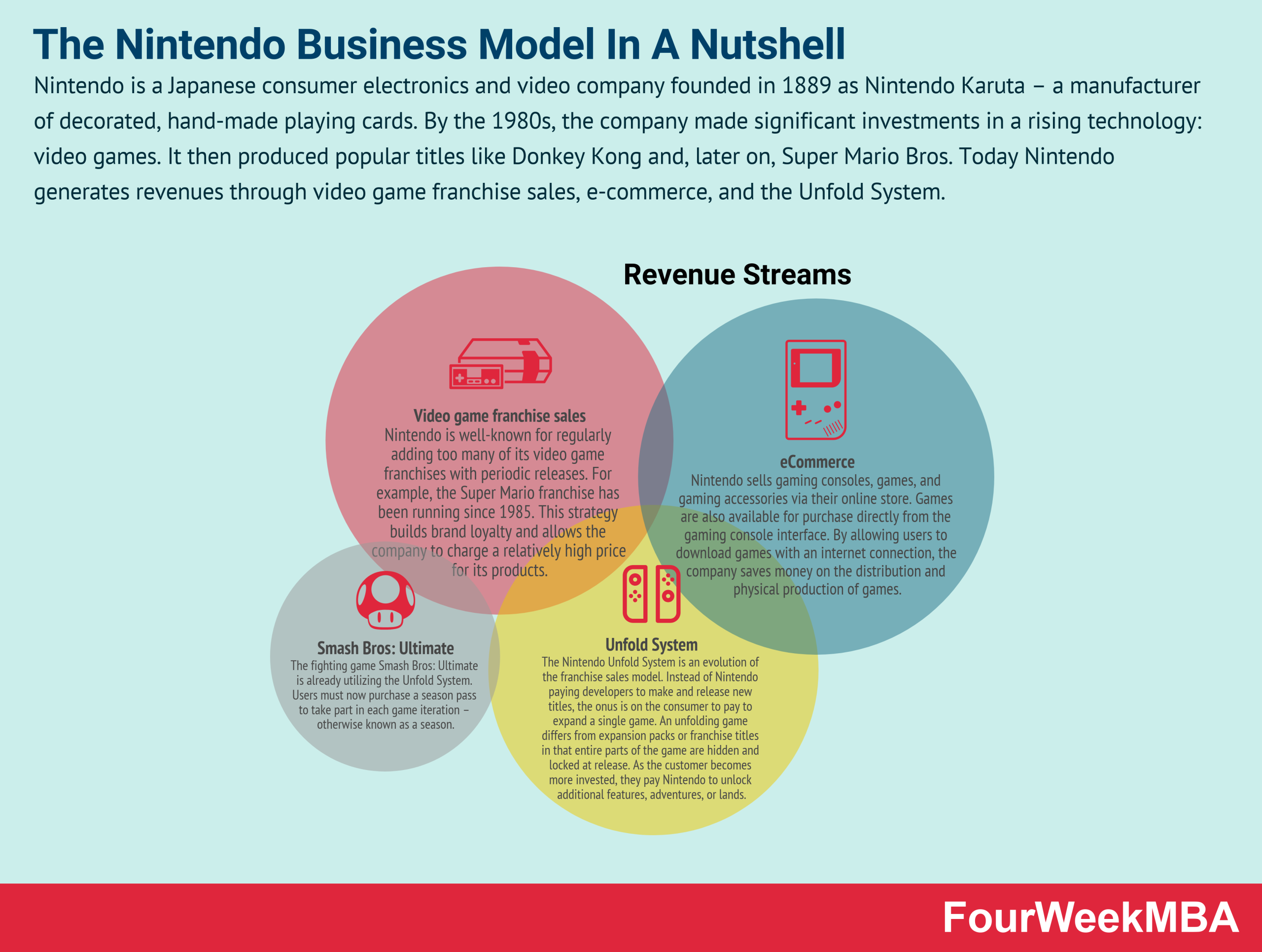
If you’re a developer or a business owner, look at the "Nintendo Stars" model. They aren't just a gaming company anymore; they’re an IP management firm that happens to sell a console. They’ve diversified so well that even if a console underperforms, the movies and parks keep the lights on.
Check your own "ecosystem" for gaps. Are you relying on a single product launch, or are you building a brand that exists in multiple spaces?
If you're a gamer still on the fence about the Switch 2, look at the March 2026 release calendar. Between Monster Hunter Stories 3 and the upgraded Mario Wonder, the "wait and see" period is officially over. Go check the current trade-in values for your original Switch—they’re dropping fast as the market saturates with second-hand units.