Everyone loves a good demolition story.
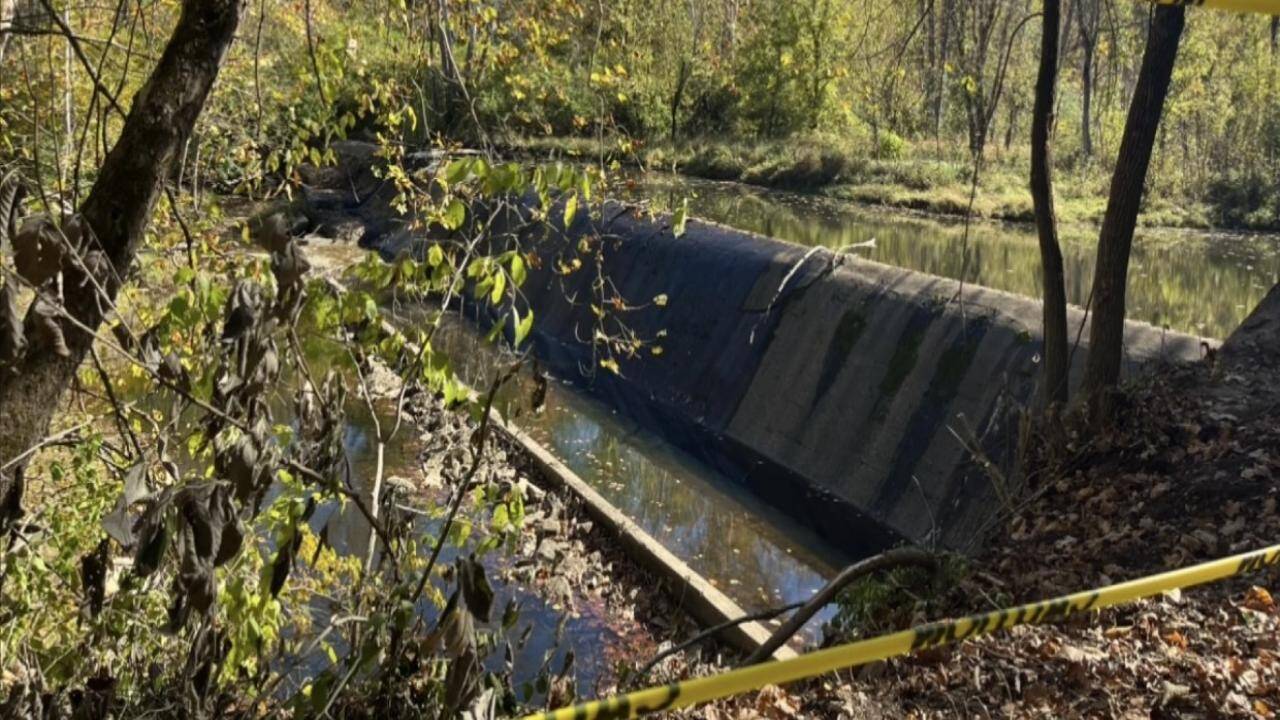
The press releases write themselves. A relic of mid-century concrete engineering—built in the 1940s to serve a tiny Ohio village—finally comes tumbling down. Bulldozers roar. Concrete crumbles. Suddenly, fourteen miles of choked, stagnant waterway are "freed," and the local ecosystem magically heals itself overnight.
That is the fairy tale currently being sold across the Midwest. It is neat, emotionally satisfying, and dangerously incomplete.
When state agencies and environmental groups celebrate the removal of low-head and mid-sized twentieth-century dams—like the aging barriers scattered across Ohio’s Mahoning, Cuyahoga, and Muskingum watersheds—they rely on a lazy consensus. They frame the debate as a binary choice between concrete evil and pristine nature. Tear down the wall, they say, and the river remembers what it used to be.
Except rivers don't have memories. They have physics, sediment loads, and legacy pollution.
And when you blow up an 80-year-old dam without reckoning with what has been sitting behind it since the Truman administration, you aren't restoring a creek. You are pulling the plug on a giant chemical and biological time bomb.
The Lie of the "Blank Slate" River
To understand why modern dam removal orthodoxy is flawed, you first have to understand what a 1940s dam actually is.
In the post-war boom, Ohio built hundreds of small-to-medium impoundments. Some were 20-foot low-head barriers; others were massive, sprawling earthen and concrete structures rising up to 200 feet to secure water supplies for growing villages and industrial corridors. For eight decades, those structures acted as giant settling basins.
Every time it rained upstream, topsoil washed off Ohio farmland. Every time a mid-century factory discharged waste—long before the Clean Water Act of 1972 existed—heavy metals, polychlorinated biphenyls (PCBs), and agricultural phosphorus drifted downstream. They hit the slack water of the reservoir, lost velocity, and sank.
Layer by layer. Decade by decade.
I have sat in engineering review meetings where project managers spent millions of dollars modeling fish passage while treating the millions of cubic yards of trapped sediment behind the dam as a minor logistical footnote. That is malpractice. When you breach a dam that has stood since the 1940s, you aren't just releasing water. You are mobilizing eighty years of concentrated industrial and agricultural runoff, sending a massive plume of anoxic mud and legacy toxins straight into the downstream channel.
The lazy consensus assumes the creek will simply flush itself clean. In reality, that sediment smothering the downstream riverbed destroys the exact gravel-bed spawning habitats that advocates claim they are saving. You trade one ecological problem—a fragmented river—for another: a suffocated one.
Defining What "Restoration" Actually Means
Let’s get our terminology straight, because conservation PR teams deliberately blur the lines.
- Dam Removal is an engineering demolition project. It eliminates a physical barrier.
- Channelization Recovery is a geomorphic process where a river re-establishes its natural meanders, riffles, and pools.
- Ecological Restoration is the return of a self-sustaining, native biological community.
Removing a dam achieves the first bullet point. It does not guarantee the second, and it frequently sabotages the third.
When an impoundment is drained, the newly exposed lakebed doesn't instantly sprout native wildflowers and sycamore trees. It turns into a sprawling, sun-baked mudflat. And in the Midwest, disturbed, nutrient-rich mudflats are a welcome mat for one thing: aggressive invasive species.
Within two growing seasons, exposed reservoir beds across Ohio become monocultures of Phragmites australis (common reed), reed canary grass, and purple loosestrife. These invasive plants lock up the soil, crowd out native sedges, and provide zero nutritional value to native wildlife. Unless a municipality budgets millions of dollars for active, multi-year herbicide management and native reseeding—which almost none of them do once the ribbon-cutting cameras leave—that "restored" 14-mile creek corridor simply becomes an invasive weed factory.
The Invasive Species Highway Nobody Talks About
There is another uncomfortable truth buried beneath the feel-good headlines: dams are currently the only thing protecting upstream habitats from biological invasion.
For eighty years, Ohio’s aging dams have functioned as accidental firewalls. They kept downstream aquatic invaders from swimming up into sensitive headwater streams.
Consider the round goby, the sea lamprey, or various species of invasive carp pushing through the Great Lakes and Ohio River basins. Right now, physical barriers stop them cold. When you remove a 1940s dam to open up fourteen miles of creek for native smallmouth bass, walleye, and darters, you don't get to install a bouncer at the river mouth to check IDs. Everything swims up.
Biologists at organizations like the U.S. Geological Survey and the Great Lakes Fishery Commission have spent decades documenting this exact dilemma. It is known in fisheries management as the "connectivity conundrum." You want native fish to reach upstream spawning grounds, yet restoring connectivity simultaneously hands invasive predators and parasites the keys to the kingdom.
To pretend that opening up fourteen miles of creek is an unalloyed good ignores basic aquatic biology. Sometimes, a barrier is the only thing keeping a fragile upstream ecosystem intact.
Dismantling the Common Myths
If you search online for why Ohio is tearing down its old dams, you will run into the same recycled talking points. Let’s look at the actual mechanics behind those claims.
Does tearing down a dam stop downstream flooding?
No. In fact, it can do the exact opposite. While low-head run-of-the-river dams offer minimal flood control, larger water-supply impoundments built in the 1940s routinely attenuate peak storm flows by holding back millions of gallons during heavy spring rains. Once the concrete is gone, rainwater hits the watershed and rockets downstream unimpeded. Downstream towns that haven't flooded since the Eisenhower administration suddenly find water in their basements because nobody updated the floodplain maps to reflect the loss of upstream storage capacity.
Is dam removal always cheaper than maintenance?
On paper, yes. In practice, rarely. The upfront demolition cost of an aging dam is almost always lower than bringing an 80-year-old structure up to modern state dam-safety codes, especially when the Ohio Department of Natural Resources (ODNR) mandates upgrades to handle a "Probable Maximum Flood." However, demolition budgets routinely exclude the hidden back-end costs: sediment dredging, hazardous waste disposal, bridge abutment reinforcement (because faster-moving water scours out downstream bridge pilings), and groundwater well replacements for nearby homeowners whose water tables drop ten feet the month the reservoir drains.
Will native fish populations rebound immediately?
Only if the water quality and thermal regime upstream can support them. Many 1940s dams created deep reservoirs that released cold water from the bottom of the structure, artificially supporting cold-water species downstream. Remove the dam, and the shallow, unshaded creek heats up rapidly under the summer sun. Dissolved oxygen plummets. Instead of a thriving native fishery, you end up with a warm, sluggish trickle dominated by heat-tolerant carp and green sunfish.
The Uncomfortable Downsides of Keeping the Concrete
Now, let’s be brutally honest about the other side of the ledger. I am not arguing that we should preserve every crumbling piece of 1940s infrastructure like a sacred monument.
Many of these dams are death traps. Low-head dams, in particular, create submerged hydraulic jumps—what river rescue teams call "drowning machines"—that trap kayakers and swimmers in a recirculating current with zero chance of escape. Furthermore, the engineering standards of the 1940s were built on hydrological data that is completely obsolete today. We are seeing higher-intensity rainfall events across the Ohio Valley, and an earthen dam built with Depression-era compaction techniques failing during a 500-year storm is a catastrophic liability.
In many cases, the village the dam was built to serve has shrunk, switched to a regional groundwater system, or no longer needs the surface reservoir. Keeping a high-hazard dam alive just for the aesthetic appeal of a pond is financial suicide.
The problem isn't that Ohio is removing obsolete dams. The problem is how we are doing it, and the intellectual dishonesty surrounding the aftermath.
How to Actually Fix a Broken Watershed
If state agencies and conservation groups want to stop creating ecological messes in the name of environmentalism, they need to abandon the "blow it up and walk away" playbook. True watershed recovery requires an aggressive, unglamorous engineering approach that costs more upfront and makes for terrible press releases.
1. Dredge Before You Breach
Never rely on "natural river transport" to clear eighty years of trapped sediment from a post-industrial Midwest watershed. Mechanical dredging—physically scooping out the contaminated silt and trucking it to an upland containment facility before the dam comes down—is expensive. It slows down project timelines by years. It is also the only way to guarantee you don't poison fourteen miles of downstream habitat with legacy heavy metals and agricultural phosphorus.
2. Build Selective Barriers, Not Open Highways
Where invasive species threaten upstream headwaters, engineers shouldn't just flatten the dam and pray. Modern restoration demands replacing obsolete 1940s concrete with engineered velocity barriers, seasonal electric deterrent arrays, or selective fishways that allow native jumping species to pass while blocking bottom-feeding invasives. Connectivity without filtration is ecological negligence.
3. Mandate 10-Year Post-Removal Escrow Accounts
Right now, project funding dries up the day the excavator leaves the riverbanks. Every dam removal permit should legally require a dedicated, multi-year escrow fund specifically earmarked for invasive plant eradication, native riparian tree planting, and bank stabilization. If you aren't willing to pay to manage the exposed mudflats for a full decade, you have no business draining the reservoir.
4. Re-Engineer the Channel Dynamically
You cannot expect a creek that has been buried under thirty feet of still water since World War II to magically carve a healthy, meandering channel on its own. Left alone, the water will slice a deep, straight trench right through the soft mud, creating vertical, eroding dirt cliffs that dump sediment into the water every time it rains. Crews must actively sculpt the floodplain, install root wads, and build rock riffles as the water drops.
Stop Mistaking Demolition for Stewardship
Tearing down a 1940s dam feels like progress because it is loud, visible, and decisive. It gives politicians a photo opportunity and environmental groups a fundraising win.
But a river is not a machine you can fix simply by removing a broken part. When you erase eight decades of human intervention in a single afternoon, the landscape doesn't revert to a pristine wilderness. It reacts violently to a sudden shock.
Until we start treating dam removal as a complex, multi-decade exercise in hazardous sediment management, invasive species defense, and active geomorphic engineering—rather than a simple demolition job—we aren't restoring Ohio's creeks. We are just trading concrete monuments for muddy, weed-choked ditches.