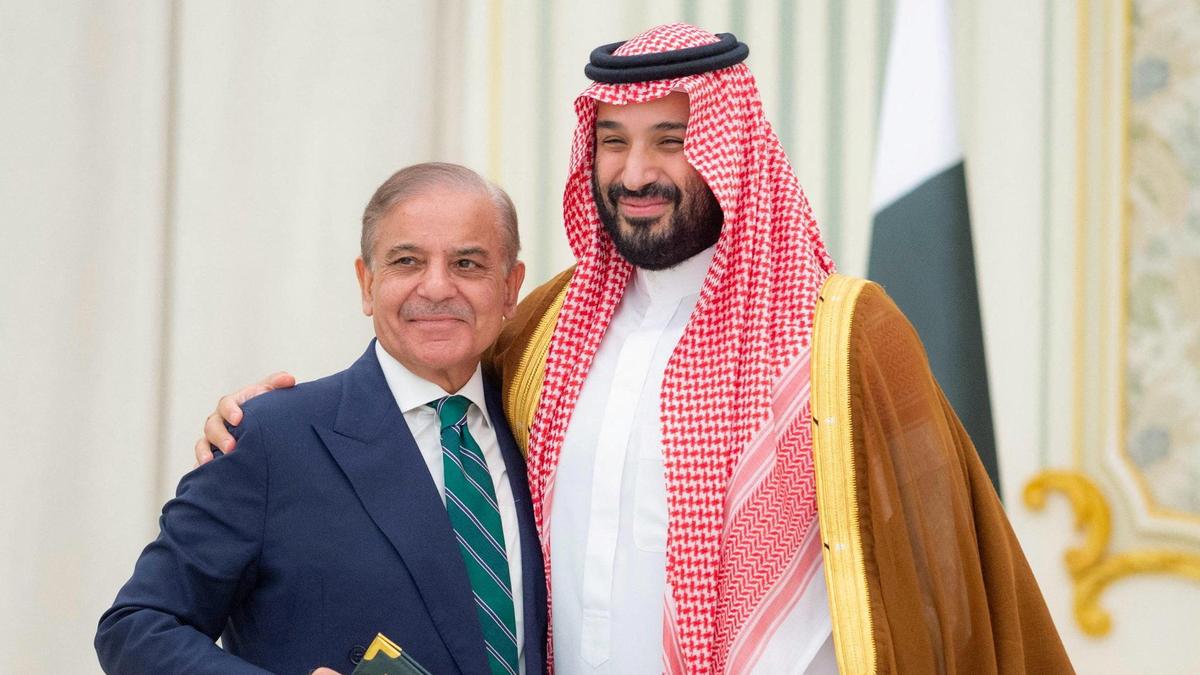
The headlines are predictable. They read like a repetitive script from a poorly funded state theater. "Saudi Arabia Pledges $3 Billion." "A Lifeline for Islamabad." "Strategic Partnership Strengthened."
If you believe this is good news, you are part of the problem.
This isn't a rescue. It’s a sedative. Every time a Gulf monarchy cuts a check for Pakistan, the international financial press treats it like a victory for diplomacy. In reality, it is a catastrophic delay of the inevitable. These "deposits"—which are essentially high-interest loans disguised as brotherly gestures—are the primary reason Pakistan refuses to fix its broken tax base or dismantle its bloated, inefficient state-owned enterprises.
Why fix the roof when someone keeps handing you a bucket to catch the leaks?
The Liquidity Trap Masquerading as Support
Let’s look at the mechanics of these "deposits." When the Saudi Fund for Development places $3 billion into the State Bank of Pakistan (SBP), that money doesn't enter the economy. It sits in a vault. Its only job is to artificially inflate foreign exchange reserves so the country doesn’t technically go bankrupt on paper.
It is the financial equivalent of a "pre-approved" credit card being used to pay off another credit card.
The terms are almost always opaque, but the cost is clear. These funds usually come with a requirement to be rolled over annually, keeping Pakistan on a permanent leash. This isn't investment. Investment builds factories. Investment creates export capacity. These deposits build nothing. They simply allow the ruling elite to avoid making the "hard choices" they’ve been talking about since 1992.
The "lazy consensus" suggests this cash buy-in buys time for reforms. History proves the exact opposite: cash buy-ins buy an escape from reforms.
The IMF Puppet Show
The timing of these Saudi pledges is never accidental. They are designed to satisfy the International Monetary Fund (IMF). The IMF refuses to release tranches of its own $7 billion Extended Fund Facility unless Pakistan secures "external financing assurances."
Basically, the IMF says, "We won't lend you money until your friends lend you money first."
So, Riyadh steps in. The IMF check clears. The government sighs in relief. And then, like clockwork, the reform agenda is tossed into the bin. Why would a government risk political suicide by taxing the powerful retail and agricultural sectors when they’ve just secured a fresh hit of liquidity?
I have seen this cycle play out in emerging markets across the globe. From Argentina to Egypt, the "friendly bailout" is the greatest enemy of structural change. It creates a moral hazard so large that it swallows the entire economy. The Pakistani leadership has become world-class at one specific skill: managing the optics of a crisis to extract maximum rent from geopolitical allies.
The Myth of "Brotherly" Terms
Stop calling this aid. It is a debt instrument.
While the exact interest rates on these Saudi deposits are often shielded from public view, they are rarely "cheap." More importantly, they come with significant geopolitical strings. Whether it’s military cooperation, diplomatic alignment, or silence on specific regional issues, the cost is far higher than a standard market-rate bond.
Furthermore, these deposits are denominated in US dollars. Given the consistent devaluation of the Pakistani Rupee (PKR), the real cost of eventually paying this back—or even just servicing the interest—grows every single day.
- The Math of Failure: If the PKR depreciates by 20% in a year, the government must find 20% more local currency just to stay level on its interest payments.
- The Opportunity Cost: Every dollar spent servicing this "friendly" debt is a dollar not spent on the country’s crumbling power grid or its failing education system.
The Missing Nuance: Saudi Arabia’s New Playbook
The competitor articles miss the most important shift in this dynamic: Riyadh is getting tired.
Under Vision 2030, Crown Prince Mohammed bin Salman is moving away from the "blank check" diplomacy of his predecessors. The Saudi government has explicitly stated that future support will be tied to internal reforms and "investment-ready" projects.
The $3 billion is a vestige of the old way. It is a pity payment. The Saudis are signaled that they would much rather buy Pakistan’s state assets—ports, mines, and airports—at fire-sale prices than continue to park cash in a central bank that is effectively a black hole.
If you want to see where this is going, look at the SIFC (Special Investment Facilitation Council). It’s a desperate attempt to bypass the country’s own bureaucracy to hand over assets to Gulf investors. This isn't a partnership; it’s a liquidation sale.
Stop Asking if the Money Will Arrive
The media asks: "When will the $3 billion hit the account?"
The wrong question.
The right question is: "Why does a nuclear-armed nation of 240 million people need a $3 billion deposit to keep its lights on for another sixty days?"
Until that question is answered with a radical overhaul of the country's revenue model, every Saudi pledge is just another nail in the coffin of economic sovereignty. We are witnessing the slow-motion transformation of a nation-state into a ward of the Gulf.
If the Saudi money didn’t come, the country would be forced to default. And while default sounds terrifying, for many nations, it is the only way to reset the board, wipe out unsustainable debt, and finally force the elite to pay taxes. By preventing default, Saudi Arabia isn't saving Pakistan; they are trapping it in a permanent state of managed decline.
The next time you see a headline about a multi-billion dollar pledge, don't cheer. Mourn. It means the status quo just bought another year of life, and the people will continue to pay the price for a "stability" that is nothing more than a profitable illusion for the few.
The bank is open, but the country is closed for business.
Don't fix the debt. Break the dependency.
Stop taking the money.