The idea of a cruise ship becoming a floating petri dish isn't new, but the recent tragedy involving a hantavirus outbreak on a luxury liner has shifted the conversation from common norovirus to something far more lethal. Three passengers died. Dozens of others spent their vacation in isolation wards while the ship continued its course through international waters. You’d think the atmosphere on board would be one of pure terror or a frantic rush for the lifeboats. It’s not.
Instead, reports from the deck describe a strange, resilient calm. While headlines focus on the body count, the reality inside the ship is a mix of clinical precision and an odd, defiant sense of community. The situation is tragic, yes. It's also a case study in how modern travel reacts when the worst-case scenario actually happens.
What Hantavirus Actually Means for Cruise Safety
When people hear "virus" on a ship, they usually think of stomach cramps and hand sanitizer. Hantavirus is a different beast entirely. Typically spread by rodents, specifically through contact with their urine, droppings, or saliva, it isn't something you expect on a multi-million dollar vessel. According to the Centers for Disease Control and Prevention (CDC), Hantavirus Pulmonary Syndrome (HPS) has a mortality rate of around 38%. That’s why three deaths on one ship sent shockwaves through the maritime industry.
The source on this specific ship points toward a contaminated batch of dry goods or perhaps an infestation in a cargo hold that went unnoticed during a quick turnaround in port. It’s a nightmare for the cruise line's PR team, but for the passengers, it’s a terrifying lesson in biology. Unlike the flu, you don't catch this from someone coughing on you in the buffet line. It’s environmental. This distinction is exactly why the ship hasn't descended into total chaos. People realize that if they stay away from the source zones, they're relatively safe.
Why the Deaths Didn't Stop the Party
It sounds morbid. It sounds cold. But the bars are still open, and the music is still playing. Passengers have reported that the crew has been incredibly transparent about the risks since the first death was confirmed. Transparency kills panic. When the captain gets on the intercom and gives you the straight facts—no sugarcoating, no corporate speak—people tend to stay level-headed.
I’ve seen this before in high-stress environments. When you’re stuck on a ship, you have two choices: sit in your cabin and vibrate with anxiety, or trust the medical staff and try to enjoy the $5,000 vacation you paid for. Most are choosing the latter. The "morale is high" quote that’s been circulating isn't just PR spin. It’s a psychological defense mechanism. Travelers are bonding over the absurdity of the situation.
The Logistics of a Floating Quarantine
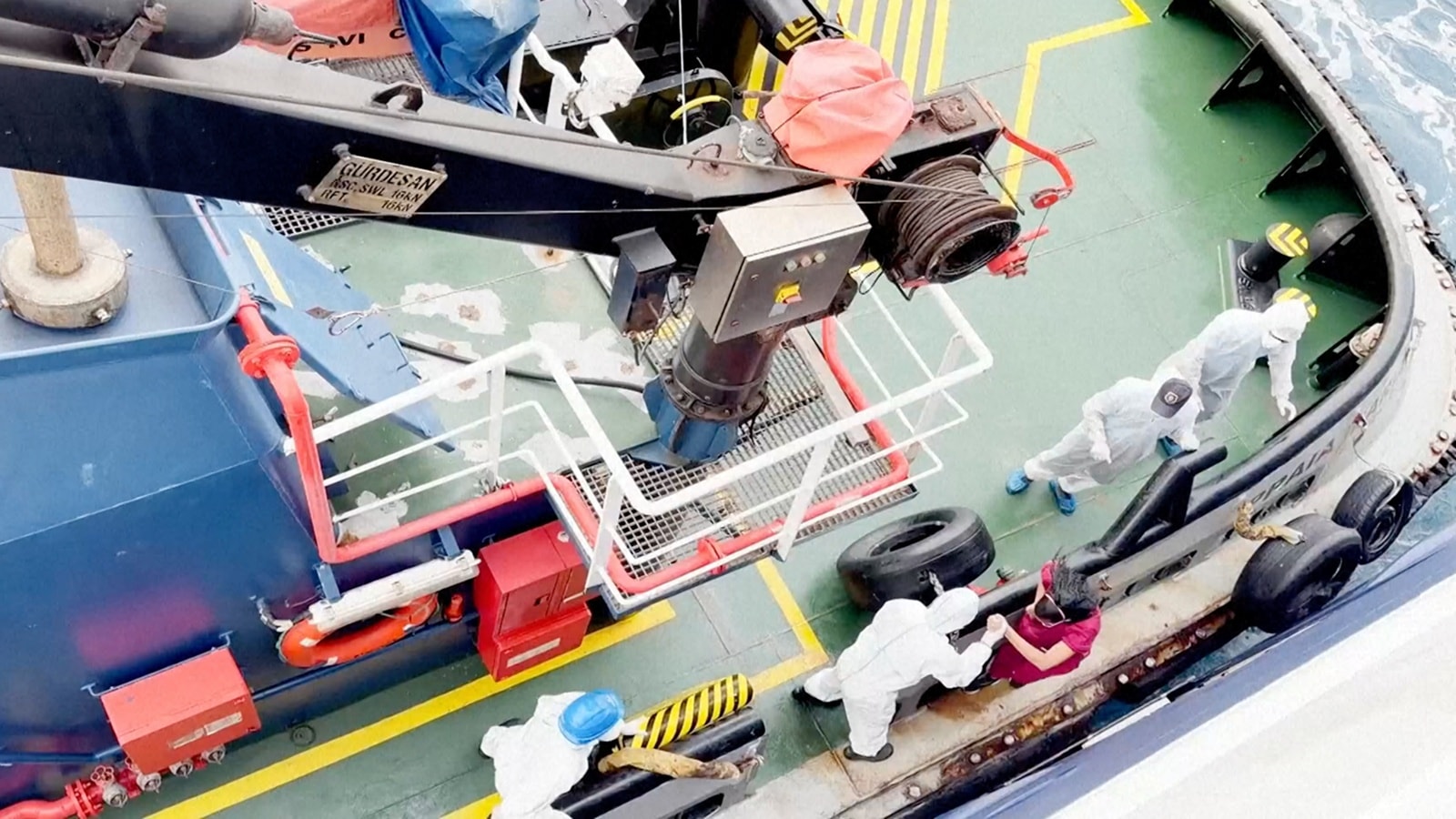
Managing a deadly virus at sea is a logistical feat that most people can't wrap their heads around. The ship’s medical center, usually reserved for seasickness and minor injuries, has been turned into a high-intensity biocontainment zone.
The crew is working double shifts. They’re deep-cleaning every square inch of the ship with high-grade disinfectants. You can smell the bleach from the lido deck. They’ve shut down certain ventilation sectors and sealed off the areas where the infection is believed to have started. It’s a scorched-earth policy against dust and droppings.
- Isolation protocols: Anyone with a fever is immediately moved to a negative-pressure cabin.
- Trace testing: The medical team is looking back at every shore excursion and meal the deceased passengers took.
- Communication: Daily briefings are delivered to every cabin door to prevent rumors from spreading.
This isn’t just about cleaning. It’s about optics. If the passengers see the crew sweating and working to keep them safe, they don't revolt. They feel like they're part of a team.
The Legal and Ethical Mess of Staying at Sea
Many are asking why the ship didn't immediately dock at the nearest port. It’s not that simple. International maritime law and local health department regulations often prevent a "plague ship" from docking. No country wants to invite a lethal virus into its borders without a guaranteed containment plan.
The cruise line is in a tough spot. If they force everyone off in a foreign port, they’re responsible for thousands of people’s lodging and flights, all while dealing with potential lawsuits. By staying at sea, they maintain a controlled environment. It’s a cold calculation, but from a public health perspective, it’s often the safest move. They’re essentially waiting for the incubation period to pass for the remaining passengers.
Lessons for Your Next Booking
If you’re looking at this and thinking you’ll never step foot on a ship again, you’re overreacting. But you should be smarter about it. This incident exposes the cracks in the rapid-fire turnaround times of the cruise industry. Ships are pushed to flip in hours, leaving tiny windows for deep inspections.
Don't just look at the thread count of the sheets. Look at the health and safety ratings. The CDC’s Vessel Sanitation Program (VSP) publishes inspection scores for every ship that sails in U.S. waters. If a ship scores below an 85, stay away. This specific vessel had a history of minor violations that, in hindsight, were red flags for a larger systemic failure in cleanliness.
Protecting Yourself in Confined Spaces
You can’t control the ship’s cargo, but you can control your immediate surroundings. When you get into your cabin, do your own sweep. I’m not talking about looking for dust. Look for signs of pests in the back of closets and under the bed. If you see anything that looks like droppings, don't just call housekeeping—call the medical officer.
Hantavirus is rare. It’s an anomaly in the cruise world. But the way this ship handled it shows that the "stiff upper lip" mentality is still very much alive at sea. The passengers aren't victims in their own minds; they’re survivors of a very weird, very tragic vacation story.
Check the VSP scores of your next three potential cruises before you put down a deposit. If you're already booked on a ship, pack a small kit of high-quality masks and disinfectant wipes. It’s not about being paranoid. It’s about being the person who doesn't get caught off guard when the "impossible" happens. Keep your eyes open and don't let the buffet distract you from the basics of hygiene.