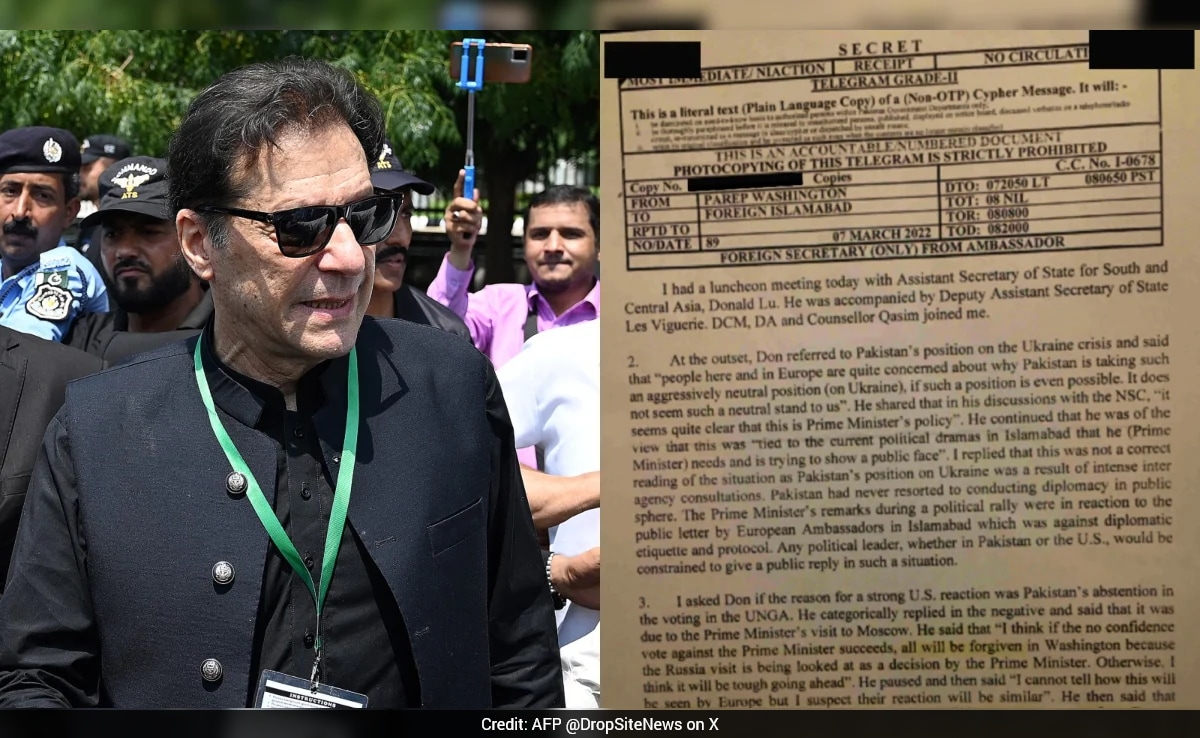
Legal indictments and legislative impeachments were designed to be the ultimate brakes on unchecked political power. For over two centuries, the mere threat of formal charges was enough to end a career or force a strategic retreat. Today, that mechanism is broken. For a specific class of populist leader, high-profile legal assaults no longer function as deterrents; instead, they serve as political jet fuel. When a political figure transforms serious judicial vulnerabilities into a narrative of martyrdom, they don't just survive the pressure. They grow stronger. This phenomenon occurs because the modern media environment and deeply polarized electorates view institutional accountability not as an objective pursuit of justice, but as a partisan weapon.
To understand how we arrived at this point, we have to look past the daily cable news cycle. The traditional view of political scandal assumes a shared reality. It relies on the idea that voters, when presented with evidence of wrongdoing gathered by independent institutions, will adjust their support accordingly. This asset—a baseline of institutional trust—has completely evaporated over the last two decades.
When a political system splits into two distinct, warring camps, every action taken by an institution is filtered through a tribal lens. If a prosecutor brings charges against a dominant political figure, the leader’s base does not read the indictment to weigh the legal merits. They immediately look at the source. In a low-trust environment, the prosecutor is automatically cast as an agent of the opposing tribe.
The Mechanics of the Martyrdom Loop
This dynamic creates what can be called a martyrdom loop. It is a highly effective three-stage political strategy that turns legal jeopardy into an organizational advantage.
First, the leader frames the legal action not as an attack on themselves, but as an attack on their voters. The message is simple: They are not coming after me; they are coming after you, and I am just standing in the way. This move shifts the emotional burden from the politician to the constituency. The supporter no longer has to defend the specific, messy details of a criminal allegation. They only have to defend themselves and their identity.
Second, the legal proceedings provide a permanent, high-visibility stage. In standard political campaigns, generating constant media attention requires immense effort and financial investment. A courtroom trial or an impeachment hearing guarantees total media dominance for weeks on end. Every camera is focused on the courthouse steps. The politician commands the microphone, utilizing the formal backdrop of the legal system to project authority while simultaneously undermining it.
Third, the pressure creates an immediate financial windfall. Every new motion filed by a prosecutor, every courtroom setback, and every formal vote in a legislature is instantly converted into a fundraising appeal. These are not standard requests for campaign donations. They are framed as emergency contributions to an existential battle. The data shows that fundraising spikes do not happen despite legal trouble; they happen because of it.
Why the Historical Precedents Fail
Commentators frequently try to compare this modern reality to historical events like the Watergate scandal. The comparison fails on every level.
During the early 1970s, the media ecosystem was centralized. A handful of networks and newspapers established the baseline facts of the case. More importantly, political parties were not fully ideologically sorted. There were liberal Republicans and conservative Democrats. When the evidence against Richard Nixon became undeniable, senior members of his own party walked into the Oval Office and told him his support had vanished.
Today, that internal policing mechanism is gone. Party primary systems ensure that any lawmaker who breaks ranks to support the impeachment or prosecution of their own leader faces immediate political ruin. The incentive structure has flipped. Survival requires absolute loyalty to the leader, regardless of the evidence presented in a courtroom.
Furthermore, the fragmentation of media means that audiences can live in entirely separate information ecosystems. One half of the country watches a detailed presentation of evidence and sees an open-and-shut case. The other half watches a presentation focused entirely on the alleged biases of the prosecutors and sees a political hit job. There is no longer a neutral ground where a definitive narrative can be established.
The Limits of the Teflon Strategy
It is easy to look at this dynamic and conclude that legal accountability is completely useless against a populist figure. That is an oversimplification. While indictments and impeachments solidify a leader's hold over their core base, they simultaneously create a hard ceiling on that leader's broader appeal.
The intense loyalty generated by the martyrdom loop is highly concentrated. It deepens the commitment of people who already believe in the cause. However, it rarely expands the coalition. For moderate voters, independent voters, and those who are generally disengaged from politics, the constant chaos of legal battles creates a sense of exhaustion. They may not fully trust the institutions driving the prosecution, but they also tire of the permanent crisis atmosphere that surrounds the politician.
This creates a structural instability. A leader can easily dominate their own party and command a massive, fiercely loyal minority of the country. Yet, translating that intense minority support into a broad majority becomes exceptionally difficult. The very tactics that guarantee survival within the movement alienate the outsiders needed to secure a stable, long-term governing majority.
The True Cost to the System
The real damage of this phenomenon is not found in the win-loss record of any individual politician. The deeper consequence is the systematic degradation of the rule of law.
When legal actions are successfully framed as purely political maneuvers, the institutional machinery of justice loses its authority across the board. If a large segment of the population believes that a criminal indictment is just a different form of a campaign ad, they stop believing in the neutrality of the courts. This skepticism does not disappear when the specific politician leaves the stage. It lingers, infecting public perception of the entire judicial system.
Prosecutors and legislators who launch these high-profile actions often operate under the assumption that the facts will speak for themselves. They believe that a well-crafted legal brief or a meticulous presentation of evidence will break through the political noise. This is a profound misunderstanding of the current landscape. In an era defined by institutional distrust, the process of trying to hold a leader accountable often does more to validate that leader's anti-establishment narrative than any speech they could ever deliver.
The traditional tools of governance and accountability were forged in an era that required a minimum level of mutual respect for rules and institutions. Bringing those same tools into a highly polarized, media-saturated environment is like bringing a knife to a drone fight. The old rules do not apply, and the old outcomes are no longer guaranteed.