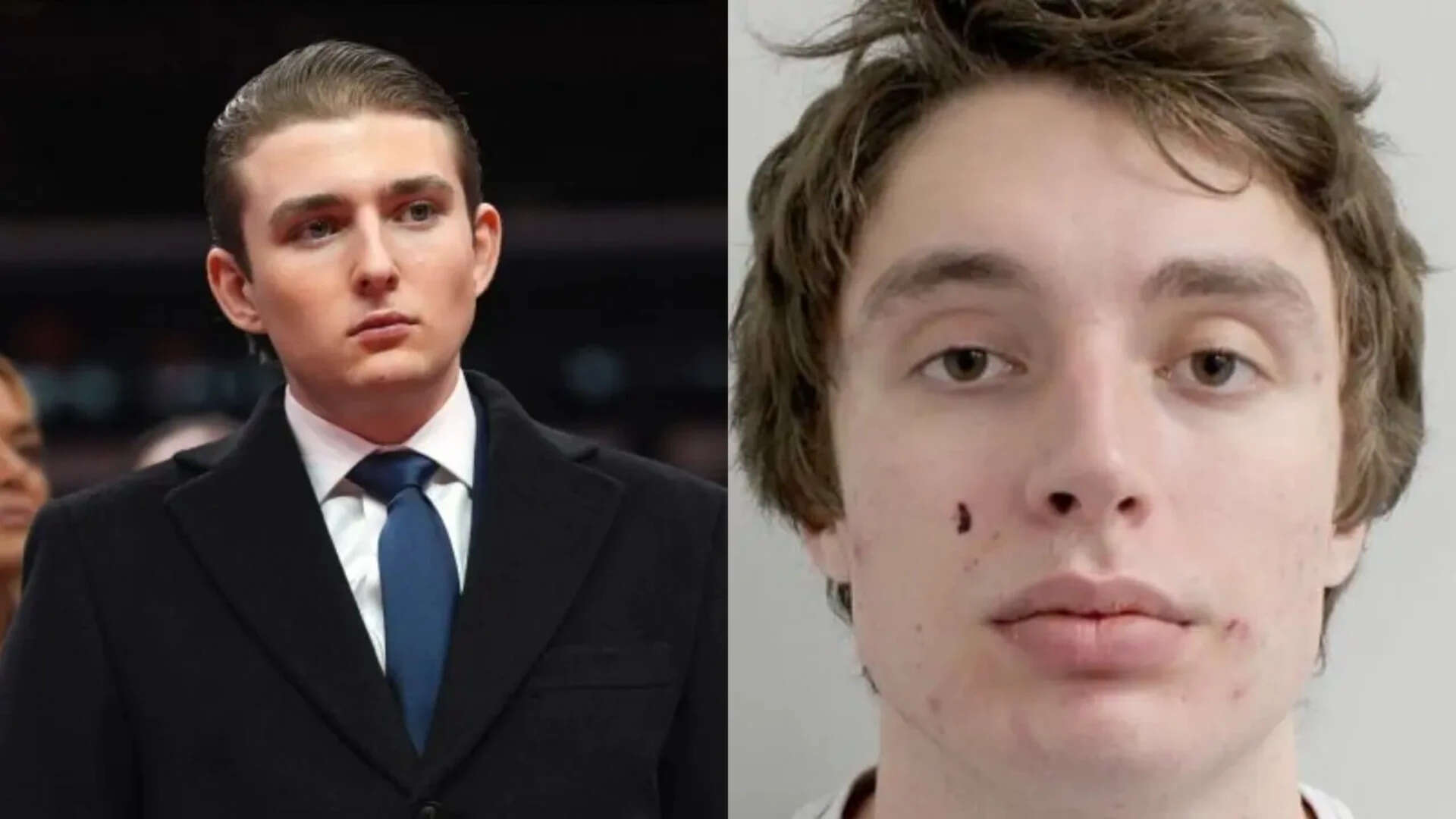
The glow of a laptop screen in a quiet room is usually a portal to mundane things. Homework. A movie. A quick chat with a friend across the ocean. But for Barron Trump, then a teenager sitting in the high-security bubble of his family’s world, that digital window suddenly framed a nightmare. It wasn't a movie. It was real, it was raw, and it was happening in a London flat while he watched, paralyzed by the digital distance.
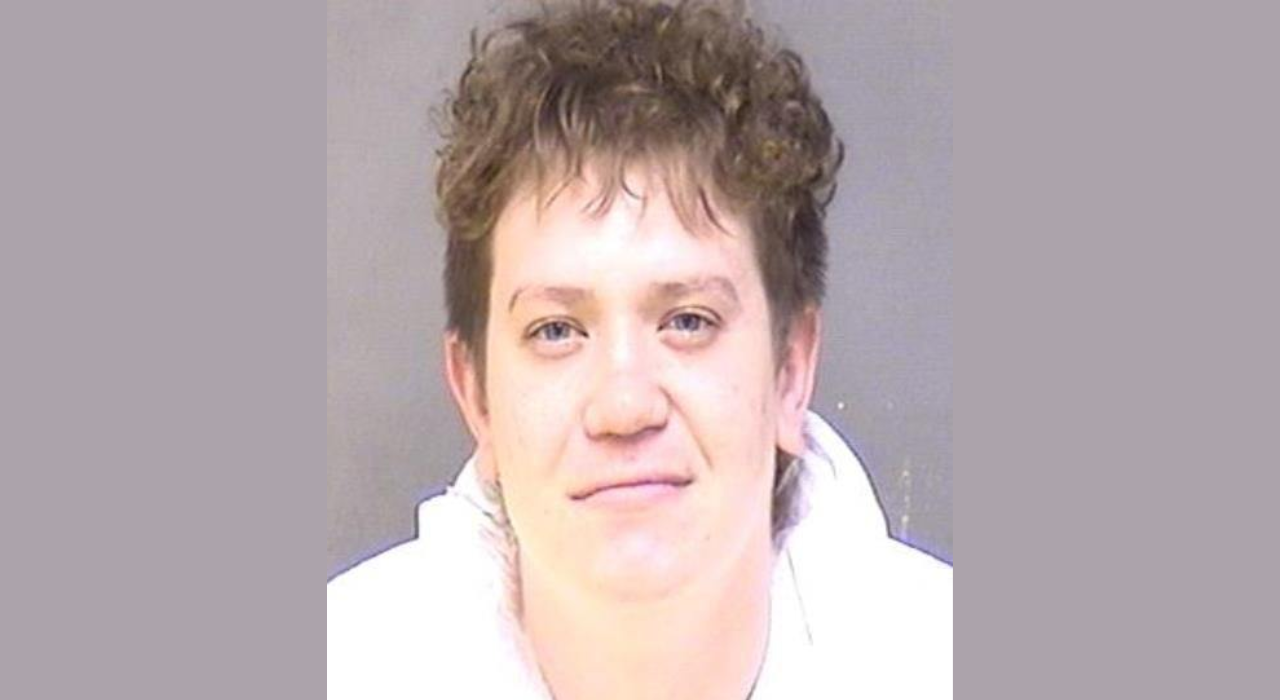
Roman Isari, a 45-year-old Russian national, didn’t know he had an audience. He didn't know that his explosion of violence was being transmitted directly to the son of a former United States President. He only knew his own rage.
The Mechanics of a Digital Haunting
Imagine the disconnect. On one end of the video call, you have the quiet, structured safety of a young man’s life. On the other, the frantic, terrifying reality of a woman being hunted in her own home. The victim, a friend of Barron’s, had her camera active when Isari began his assault.
The details of the case, recently settled in a London courtroom, paint a picture of a calculated, terrifying pursuit. Isari didn’t just lose his temper. He hunted. He followed the woman through the rooms of the apartment, his face a mask of aggression that flickered across a screen thousands of miles away.
For the witness, the experience is a specific kind of modern trauma. In the past, if you witnessed a crime, you were physically there. You could scream. You could intervene. You could run for help. But when the crime is a stream of pixels, the helplessness is absolute. You are a ghost in the room. You see the fist move, you hear the muffled cry, but you are trapped behind a sheet of glass.
Four Years for a Moment of Terror
London’s judicial system isn't known for its theatrics, but the gravity of this case resonated through the wood-paneled court. Isari was sentenced to four years in prison. It’s a number that feels both significant and insufficient when weighed against the psychological wreckage left behind.
The court heard how Isari's actions weren't a singular lapse in judgment. They were a violent imposition of will. He didn't just strike her; he dismantled her sense of safety. The prosecution laid out a timeline of a night that began with tension and ended with a woman fearing for her life while her friend watched on a monitor, unable to pull her away from the danger.
The geography of the crime is almost as jarring as the act itself. London, a city of surveillance and ancient laws, became the stage for a very digital-age intersection. The fact that the witness was a Trump added a layer of international media frenzy, but at the heart of the legal proceedings was something far more fragile: the testimony of a woman who had to relive the moment she was cornerled.
The Invisible Scars of the Observer
We often talk about the victim and the perpetrator. We rarely talk about the witness who cannot look away.
Psychologists often refer to "secondary trauma." It’s what happens when you are exposed to the suffering of others in a way that your brain can’t quite process as "not happening to me." For a young person to witness a violent assault on a friend—not as a news report, but as a live, breathing event—changes the way they view the world. The screen ceases to be a tool for connection and becomes a potential source of horror.
Consider the silence after the call ends. The screen goes black. The room is still quiet. But the images are burned into the backs of the eyelids.
Isari’s defense attempted to navigate the complexities of his background and the circumstances of the night, but the evidence was undeniable. It was recorded in the memory of the witness and the digital footprints of the call. The four-year sentence serves as a stark reminder that even when the witnesses are hidden behind screens and oceans, justice has a way of finding its way into the room.
The Weight of the Verdict
Four years in a British cell. For Roman Isari, it is a period of forced reflection, a physical boundary placed around a man who didn't know how to respect the boundaries of others. For the victim, it is a measure of breathing room, a chance to rebuild a life that was momentarily shattered in front of a live audience.
The case of the Russian man in the London flat isn't just a tabloid headline about a famous name. It’s a story about the changing nature of evidence and the terrifying reach of modern violence. It reminds us that we are never truly alone, for better or for worse.
Our lives are now intertwined with these digital threads, weaving together people from different continents in moments of crisis. A boy in a high-rise in New York and a woman in a flat in London are suddenly bonded by a scream and a flickering connection.
The gavel has fallen, the prison doors have swung shut, and the screens have been dimmed. But the memory of that night—the sound of the struggle and the frantic, helpless gaze of a friend watching from afar—doesn't just disappear when you hit "end call."
The pixels may fade, but the truth of what happened in that room remains etched in the lives of everyone who was forced to watch.