The air in eastern Turkey during early March carries a deceptive chill. It is the kind of cold that seeps through the stone walls of ancient cities, whispering of the snow still clinging to the peaks of the Taurus Mountains. In Malatya, a city famous for its apricots and its resilience, the night of March 4, 2026, began like any other. Families finished their tea. The hum of the city began to settle into the low thrum of the late hours.
High above the Anatolian plateau, the silence was absolute. But the silence was a lie. If you liked this article, you should read: this related article.
In the vacuum of the upper atmosphere, a ballistic missile—launched from a mobile platform deep within Iranian territory—was carving a silent, parabolic arc toward the heart of Turkey. It was a spear made of steel and high-grade propellant, traveling at several times the speed of sound. For the people below, there was no whistle of an incoming shell, no roaring engine. There was only the math of physics and the terrifying indifference of gravity.
The Invisible Shield
We often think of "defense" as something tangible. We picture castle walls, trenches, or soldiers standing at a border. But modern warfare has migrated into the realm of the invisible. The moment that missile cleared its launch pad, it triggered a chain of events governed by light and silicon. For another angle on this story, see the recent coverage from NBC News.
Consider the Kürecik Radar Station. Situated on a windswept hilltop in the Malatya province, it is a place most locals know only as a silhouette against the horizon. It is a NATO asset, a powerful AN/TPY-2 X-band radar that peers into the distance with an electronic gaze so sharp it can track a baseball from hundreds of miles away.
That night, the radar "saw" the launch before the missile had even left Iranian airspace. To the technicians monitoring the feeds, the threat didn't look like a weapon. It looked like a flickering data point, a rogue variable in an otherwise perfect equation. But that data point carried enough kinetic energy to level a city block and ignite a regional conflagration.
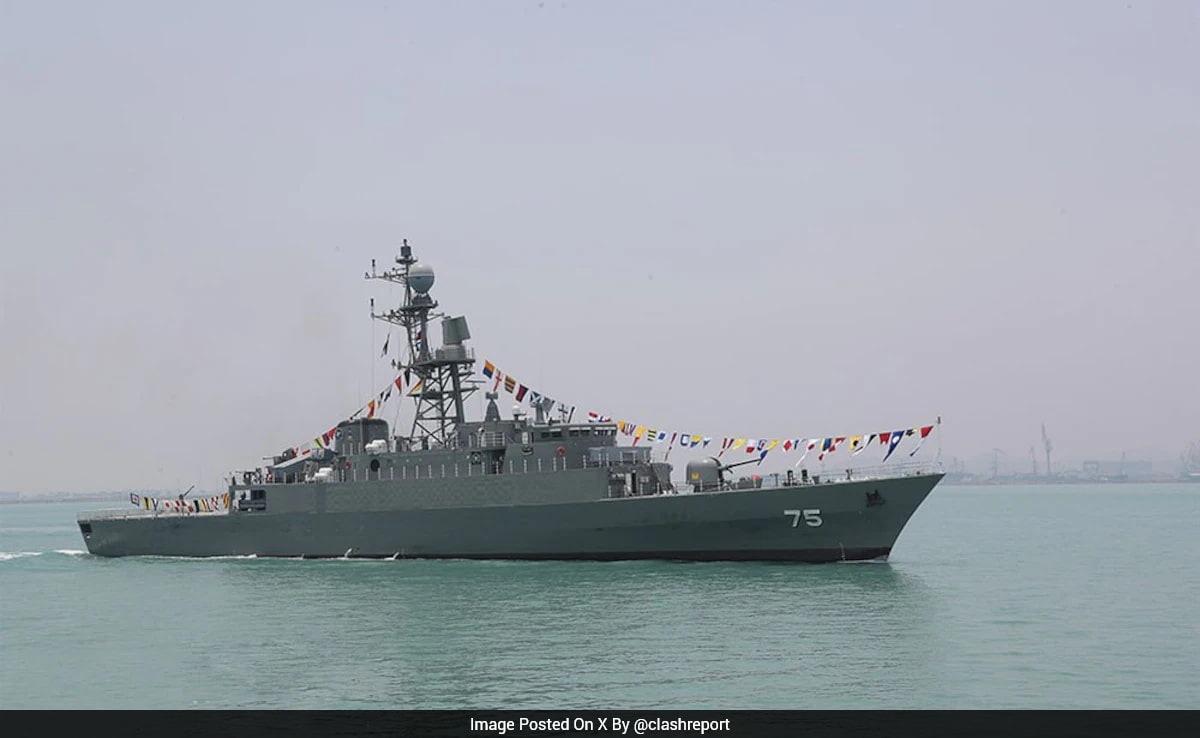
The response was not human. It couldn't be. The speeds involved in ballistic flight leave no room for the hesitation of a thumb on a button or a consultation with a committee. The NATO Integrated Air and Missile Defence (IAMD) system is a digital nervous system that spans continents. Within seconds, the tracking data from Kürecik was relayed via satellite to a command center in Ramstein, Germany, and then back to a naval destroyer patrolling the Mediterranean.
The Mathematics of Survival
While a father in Malatya might have been tucking his daughter into bed, a computer on a ship was calculating an intercept point. This is the "hit-to-kill" philosophy. Unlike the anti-aircraft guns of the past, which filled the sky with exploding lead in the hopes of catching a wing, modern NATO interceptors like the SM-3 are designed to collide directly with the incoming threat.
It is the equivalent of firing a bullet to hit another bullet in a darkened room while both shooters are riding motorcycles.
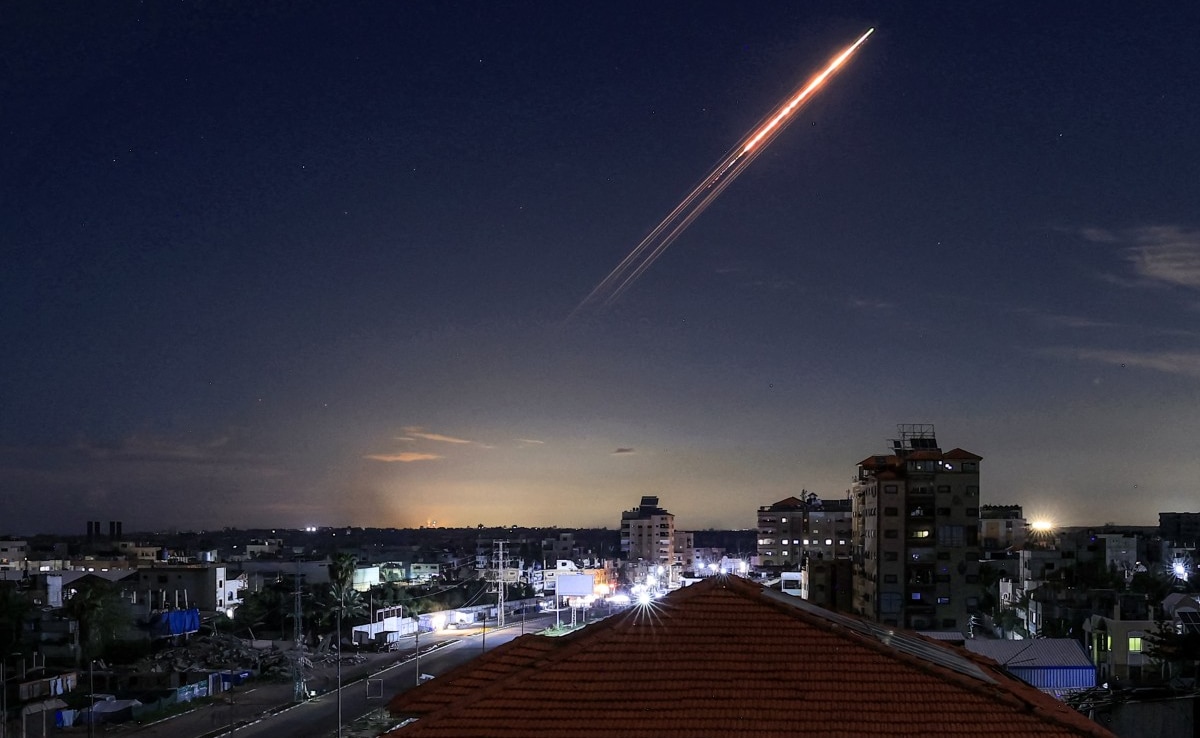
The interceptor launched. A pillar of white fire rose from the sea, screaming into the blackness. This wasn't a "game-changer," a word we use when we want to sound smart about things we don't understand. This was a desperate, high-stakes gamble against time.
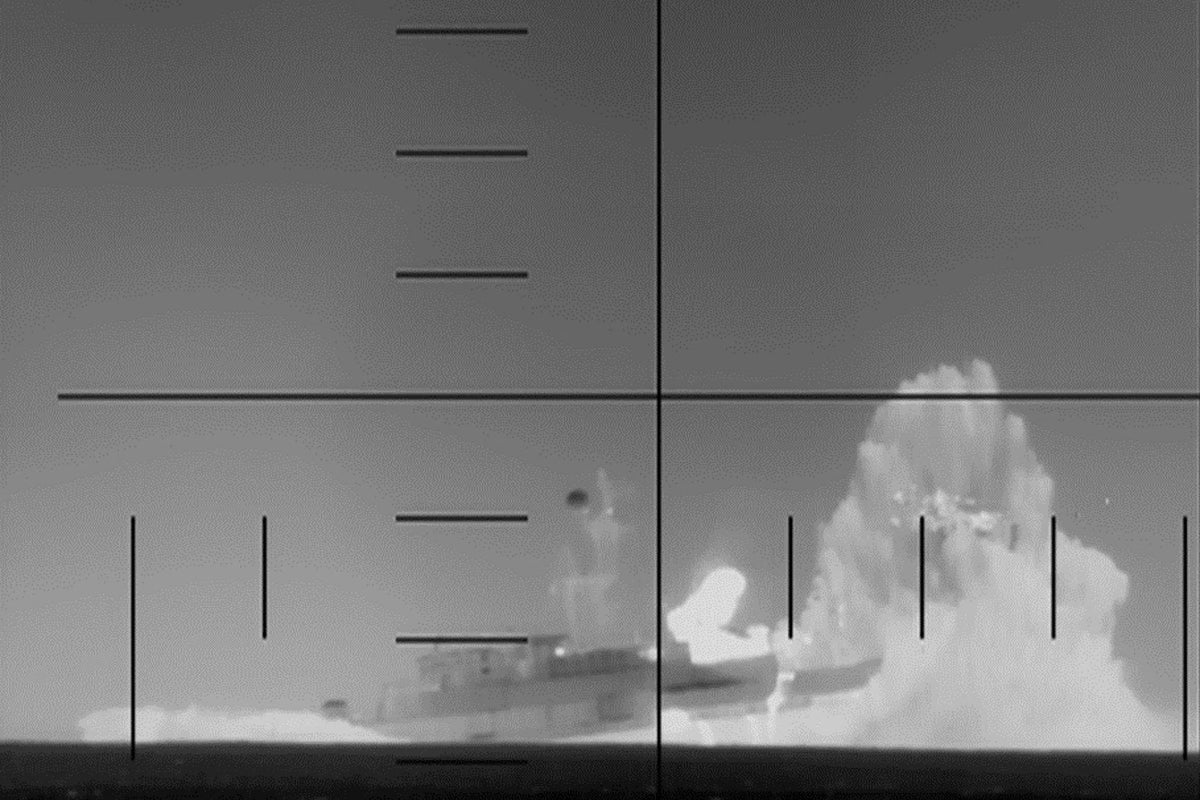
If the interceptor missed by even a few inches, the kinetic energy of the Iranian missile would remain unchecked. If it hit, the two objects would vaporize each other in a flash of light that would be visible for sixty miles.
Imagine the hypothetical figure of Hasan, a night watchman at a construction site on the outskirts of the city. He looked up, perhaps expecting to see a falling star. Instead, he saw a bloom of violet and white light so intense it cast long, flickering shadows across the half-finished concrete of his site. There was no sound for a long time. Then, a low, rolling rumble reached him—the sound of two worlds colliding at the edge of space.
Why This Happened
To understand the "why," we have to move away from the light show and into the cold corridors of geopolitics. Relations between Ankara and Tehran have long been a dance of "frenemies"—cooperating on trade while clashing over the fate of Syria and the influence of the Caucasus.
But why fire a missile now?
Strategic analysts suggest the move was a test of the NATO "umbrella." In a world where alliances are often questioned by politicians on debate stages, a physical attack provides a binary answer. Either the alliance works, or it doesn't. By targeting Turkey—a NATO member with the second-largest standing army in the alliance—Iran wasn't just attacking a neighbor. It was poking a finger into the chest of the entire Western security apparatus.
The debris from the destroyed missile fell harmlessly into the unpopulated ridges of the mountains. But the political fallout was radioactive.
The Weight of a Silence
In the aftermath of the successful intercept, the silence returned to Malatya. But it was a different kind of silence. It was the heavy, pregnant quiet that follows a near-miss.
We live in an age where we assume the internet will always work, the lights will stay on, and the sky will remain empty of everything but birds and planes. We have outsourced our survival to algorithms and radar arrays. This event serves as a jarring reminder that the peace we enjoy is not a natural state of being. It is a managed outcome, maintained by a complex, expensive, and often terrifying web of technology.
Critics of NATO often point to the cost. They talk about the billions spent on radar stations and interceptor missiles as if that money were disappearing into a black hole. But on that Tuesday night, for the people of eastern Turkey, that "cost" was the difference between a normal morning and a national tragedy.
A New Reality
The morning after the intercept, the sun rose over Malatya as it always does. The markets opened. The smell of fresh bread began to drift through the streets. Most people went about their day without knowing how close they had come to a different reality.
But the world had changed.
The successful destruction of the missile proved that the shield was real. It wasn't just a talking point in a Brussels briefing room. It was a physical barrier made of math and fire. Yet, the fact that the shield had to be used at all indicates that the old rules of deterrence are frayingly at the edges.
Fear is a potent motivator. When a nation realizes its neighbor is willing to launch a strike, the response is rarely a de-escalation. Instead, we see a tightening of the grip. More sensors. More interceptors. A faster nervous system.
We are entering an era where the human element is being pushed further and further to the periphery of defense. We build the systems, we set the parameters, and then we step back, hoping the machines we've built are faster than the machines our rivals have built.
Hasan, the watchman, didn't check the news until he got home. He sat in his kitchen, his hands trembling slightly as he held his tea. He looked at his sleeping family and then back out the window at the clear, blue Turkish sky. He knew what he had seen. He knew that the light in the sky wasn't a star, and it wasn't a miracle.
It was a warning.
The spear had been broken, but the arm that threw it was still there, reaching into the quiver for another. The shield had held, but every shield has a breaking point, and every night eventually gives way to a day where the math might not be so kind.
Would you like me to analyze the specific technical specifications of the SM-3 Block IIA interceptor used in this NATO defense layer?