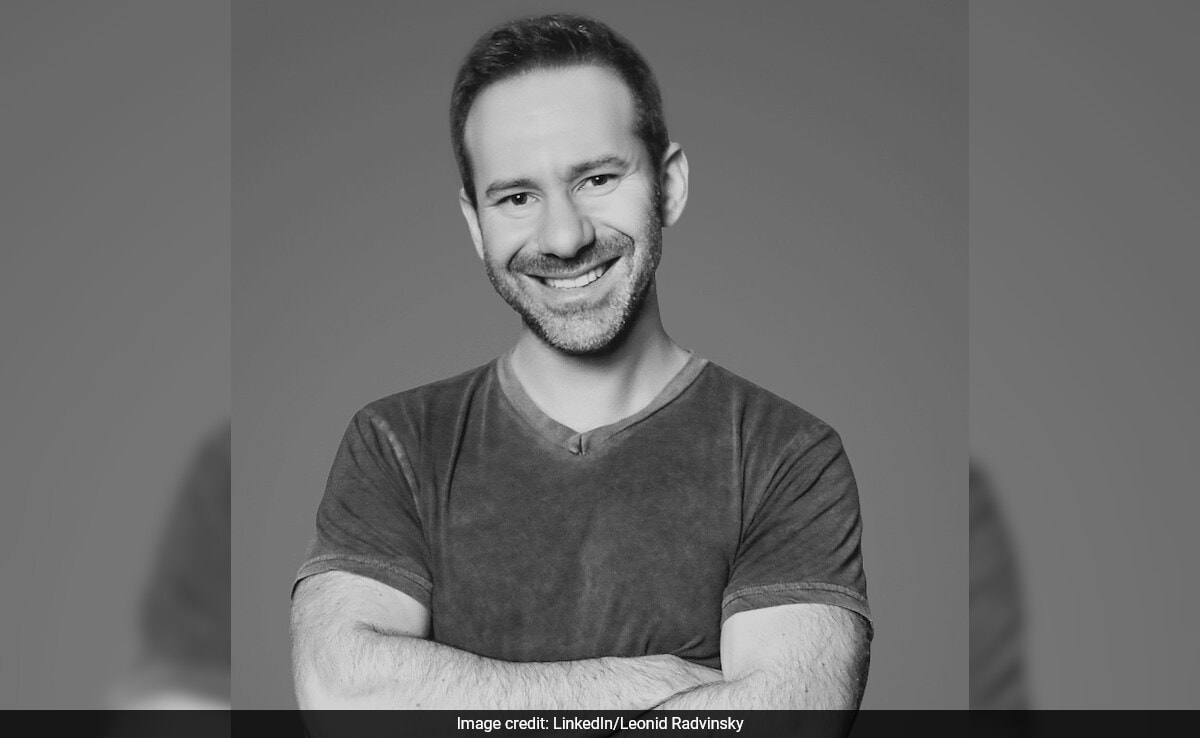
The death of Leonid Radvinsky at 43 marks more than a leadership vacuum; it triggers a stress test for the most successful and controversial platform in the modern creator economy. OnlyFans operates not merely as a social network, but as a high-margin payment processor and content gatekeeper that has successfully captured the "long tail" of the adult industry. Radvinsky’s passing necessitates an immediate evaluation of the platform’s three critical pillars: regulatory insulation, banking relationships, and the concentrated ownership structure that allowed OnlyFans to operate with a level of opacity rare for an entity generating billions in annual Gross Merchandise Value (GMV).
The Architecture of Private Control
Radvinsky’s ownership of Fenix International, the parent company of OnlyFans, was characterized by a specific strategy of extreme financial efficiency and minimal corporate bloat. Unlike Silicon Valley counterparts that chase venture capital and subsequent public offerings, Radvinsky maintained a lean, privately-held model. This structure served two purposes. First, it allowed for the rapid extraction of dividends—reported at over $1 million per working day—without the friction of shareholder oversight. Second, it shielded the platform from the "moral hazard" clauses often found in institutional investment agreements.
The loss of the sole controlling shareholder creates a "Key Person" risk that is quantified by the platform’s precarious relationship with the global banking system. OnlyFans does not operate in a vacuum; it exists at the mercy of the "Merchant Category Code" (MCC) 5967, a high-risk designation used by Visa and Mastercard. Radvinsky’s deep background in internet infrastructure and legacy adult tech provided a layer of navigational expertise that is difficult to replicate.
The Regulatory Moat and the Threat of Succession
OnlyFans succeeded where others failed by implementing a rigorous compliance framework that effectively offloaded legal risk onto creators while maintaining a centralized "Know Your Customer" (KYC) database. This compliance engine is the company's true intellectual property. The transition of power following Radvinsky’s death will be scrutinized by regulators in both the UK (where the company is domiciled) and the US.
Any shift in ownership or a potential move toward a trust-based management system could trigger "Change of Control" clauses in existing contracts with payment providers. If the new leadership cannot demonstrate the same level of technical and legal mastery over content moderation, the platform faces the risk of de-platforming by financial institutions—a scenario that nearly collapsed the business in 2021 when it briefly attempted to ban "sexually explicit" content to appease potential investors.
Evaluating the Platform’s Financial Unit Economics
To understand the magnitude of this transition, one must analyze the platform’s cost function. OnlyFans maintains a 20% take rate. In a standard SaaS model, this would be exorbitant. In the adult industry, it is a discount compared to the 50-90% historically taken by production studios or earlier-generation aggregators.
- Customer Acquisition Cost (CAC): Near zero. The creators themselves bear the burden of marketing, migrating their audiences from "top-of-funnel" platforms like X and Instagram.
- Infrastructure Overhead: High. The storage and streaming of petabytes of video content require massive CDN investment, likely managed through Radvinsky's other tech holdings or specialized providers willing to host adult content.
- Compliance Cost: The largest variable. Every minute of video must be checked against databases for age verification and consent documentation (2257 compliance in the US).
Radvinsky’s death removes the primary architect of this lean-cost model. If the estate or successor management increases corporate spend on traditional PR or bureaucratic expansion, the 80/20 split that fuels the creator ecosystem could come under pressure.
The Concentrated Wealth Effect
The financial footprint Radvinsky leaves behind is a case study in the velocity of digital wealth. OnlyFans' profits are not reinvested into R&D for "the next big thing" in the traditional sense; they are a direct reflection of the platform's dominance in the subscription-based creator model.
The mechanism of "platform capture" is the primary driver here. Once a creator builds a subscriber base of 10,000 users on OnlyFans, the switching costs are prohibitively high. There is no interoperability between adult platforms. This creates a "walled garden" that Radvinsky meticulously defended. The risk now is "founder's drift," where the lack of a singular, visionary (and reclusive) leader leads to a softening of the platform's hardline stance against institutional pressure.
Strategic Vulnerabilities in a Post-Radvinsky Era
The immediate threat to OnlyFans is not a competitor, but "regulatory creep." Governments are increasingly viewing adult platforms through the lens of online safety acts. Radvinsky’s strategy was one of tactical silence. He avoided the limelight, which reduced the "target profile" of the company. A more public or less experienced successor may inadvertently invite the type of legislative scrutiny that leads to "General Data Protection Regulation" (GDPR) level fines or worse, criminal liability for user-generated content.
Furthermore, the "bifurcation of the internet" poses a technical risk. As payment systems become more fragmented, the ability to process global transactions becomes more complex. Radvinsky’s expertise in internet routing and offshore financial structures was a quiet but essential component of the company's resilience.
The Liquidity Event Hypothesis
With the primary owner deceased, the likelihood of a liquidity event—either a sale or a forced IPO—increases by an order of magnitude. However, the "Vice Industry" discount remains a significant hurdle. Traditional private equity firms are often barred by their "Limited Partners" (LPs) from investing in adult content.
This leaves a narrow corridor for the company's future:
- Sovereign Wealth Funds: Entities with fewer moral mandates and a high appetite for cash-flow-positive assets.
- Internal Management Buyout: The most stable path, but one requiring massive leverage.
- The "Porhub" Path: Acquisition by a larger, multi-brand adult conglomerate, which would consolidate the market but likely degrade the creator-centric "OnlyFans" brand.
The most critical metric to watch over the next 18 months will be "Creator Churn." If the top 1% of earners—who generate the vast majority of the platform's revenue—sense a shift in the security of their earnings or a change in the platform's "freedom" from traditional corporate oversight, they will lead an exodus to decentralized or competitor platforms.
The strategic play for the current executive team is to formalize the "Radvinsky Doctrine": aggressive compliance, invisible leadership, and a relentless focus on payment stability. Any attempt to "sanitize" the brand further to attract mainstream buyers will likely result in the same catastrophic loss of market share that destroyed Tumblr. The value of OnlyFans is inextricably linked to its willingness to host what others won't; the new leadership must decide if they have the stomach for the perpetual war with the financial establishment that Radvinsky seemed to relish from the shadows.